The Hidden Dangers of Unregulated Cosmetic Procedures: A Tragic Lesson
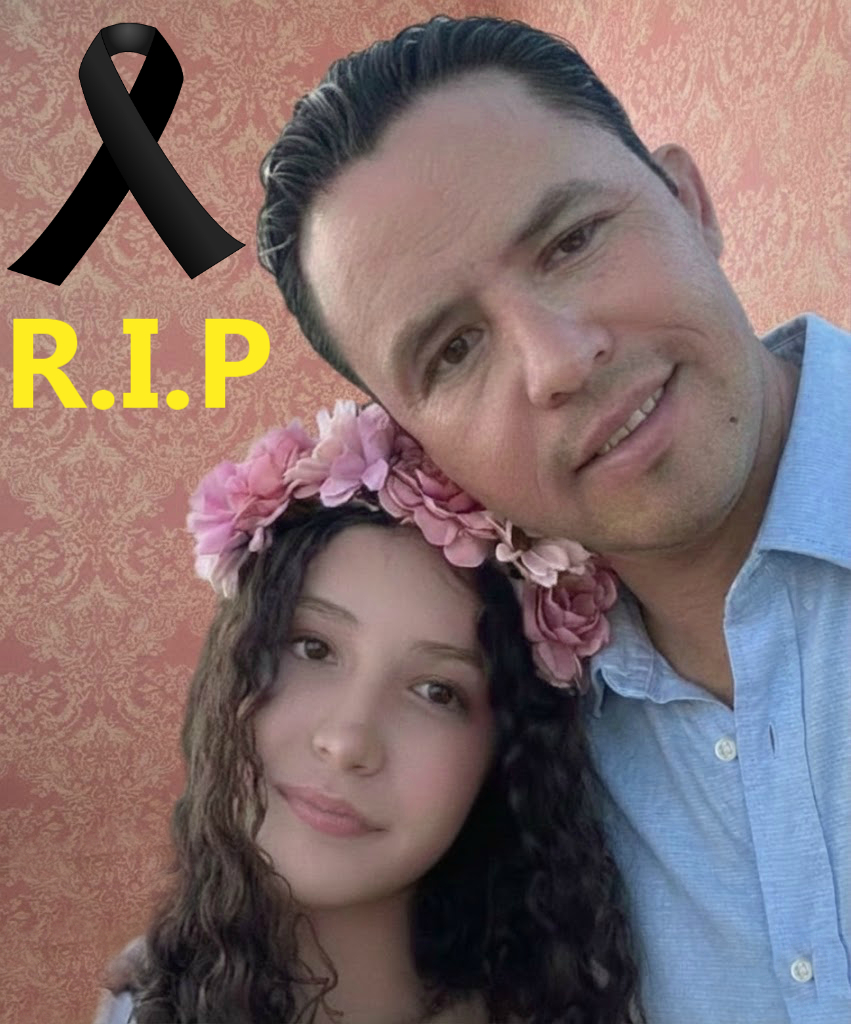
In recent years, the rise of social media trends and the accessibility of DIY beauty procedures have created a dangerous environment for teenagers and young adults. The tragic story of a 14-year-old who lost her life following an attempt to use industrial-grade silicone for cosmetic enhancement serves as a heartbreaking reminder of the lethal risks associated with unregulated beauty practices.
The incident, which shocked the local community and drew national attention, highlights a growing trend where young people, often influenced by unrealistic beauty standards seen on platforms like TikTok and Instagram, seek out cheap, non-professional alternatives to surgical procedures. In this specific case, the substance used was not medical-grade filler, but rather industrial silicone—a material never intended for human injection. When injected into the body, particularly by untrained individuals, such substances can migrate, cause severe allergic reactions, lead to systemic infection, and trigger fatal pulmonary embolisms.
Medical experts emphasize that any procedure involving the injection of substances into the body must be performed by licensed professionals in a sterile, clinical environment. Industrial silicone is chemically distinct from the hyaluronic acid or FDA-approved fillers used by plastic surgeons. Once injected, it does not integrate with the body’s tissues; instead, it can cause chronic inflammation, tissue necrosis, and, as seen in this tragic instance, rapid organ failure. The lack of sterile conditions during such DIY attempts further increases the risk of sepsis, a life-threatening response to infection that can progress within hours.
The pressure to conform to digital filters and curated aesthetics has created a vulnerability in adolescents. Many teenagers fail to distinguish between professional cosmetic dermatology and dangerous, unregulated “back-alley” procedures. The accessibility of these materials online, often sold under misleading labels, makes it easier than ever for a minor to make a life-altering mistake without fully understanding the biological consequences.
This tragedy serves as a critical call to action for parents, educators, and social media platforms. Open communication is essential; parents should discuss the reality of cosmetic procedures with their children, focusing on the permanence of bodily harm and the importance of self-acceptance. Furthermore, there is an urgent need for stricter regulation on the sale of injectable materials that are currently being marketed to consumers without proper oversight.
Ultimately, no beauty standard is worth the risk of life. The loss of a young person is a devastating reminder that the pursuit of aesthetic perfection can have irreversible consequences. By fostering a culture that prioritizes health and safety over temporary trends, we can hope to prevent similar tragedies from occurring in the future. If you or someone you know is considering cosmetic enhancements, always consult with a board-certified medical professional and prioritize safety above all else.