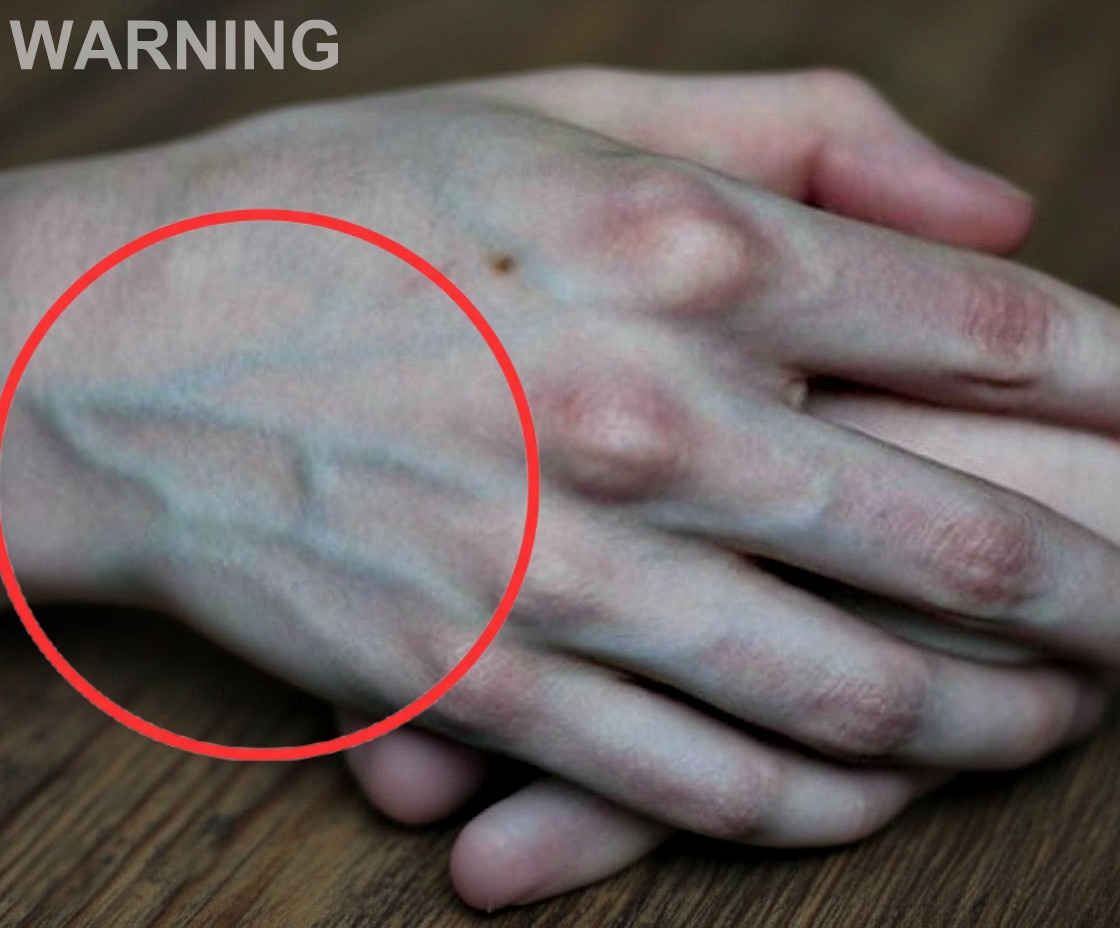
Understanding Hand Veins: What Your Body Is Actually Telling You
It is common to look down at your hands and notice the intricate network of veins beneath the skin. For many, these veins become more prominent during physical activity, in hot weather, or simply as a natural part of the aging process. However, because our hands are always in our field of vision, it is easy to become hyper-aware of changes in their appearance, leading to questions about what these visible veins might signify regarding our overall health.
First and foremost, it is important to understand that having visible veins in the hands is, in the vast majority of cases, a completely normal physiological trait. The primary reason veins become more visible is a reduction in subcutaneous fat. As we age, the skin loses elasticity and the layer of fat that naturally cushions the back of the hands thins out. This makes the underlying structures, including veins, much more apparent. This is not a sign of illness, but rather a standard part of the human aging process.
Beyond aging, lifestyle factors play a significant role. If you are physically active, your veins may appear more prominent during or after exercise. When you work out, your blood pressure increases, and blood flow to your muscles rises, causing veins to dilate and move closer to the surface of the skin. Similarly, heat causes blood vessels to expand as the body attempts to regulate its temperature, which can make veins in the extremities look larger or more defined. These are temporary, healthy responses to environmental and physical stimuli.
Another common factor is genetics. Just as you inherit your eye color or height, you inherit the structure of your vascular system. Some people naturally have thinner skin or more superficial veins, making them more visible regardless of their health status. If your parents or grandparents had prominent hand veins, it is highly likely that you will as well. This is simply a matter of anatomy, not an indicator of a hidden condition.
While visible veins are usually harmless, there are specific instances where a change in your hands might warrant a conversation with a healthcare professional. If you notice sudden, localized swelling, persistent pain, redness, or a hardening of the vein itself, these could be signs of conditions such as phlebitis or superficial thrombophlebitis. These conditions involve inflammation or minor clotting in the surface veins and are distinct from the typical, painless prominence of veins caused by age or exercise. If a vein feels tender to the touch or if the skin around it becomes discolored or warm, it is always best to seek a professional opinion rather than relying on speculation.
It is also worth noting that dehydration can sometimes make veins appear more prominent. When the body is dehydrated, blood volume can decrease, and the skin may lose some of its turgor, making veins stand out more sharply. Staying well-hydrated is a simple way to maintain skin health and ensure your circulatory system is functioning optimally. Drinking enough water supports overall vascular health and can help your skin maintain its natural elasticity.
In summary, while social media teasers often use dramatic language to suggest that visible veins are a sign of a serious underlying condition, the reality is far more mundane. Visible veins are typically a combination of natural aging, genetics, and temporary physiological responses to heat or exertion. By understanding your own body’s baseline, you can distinguish between what is normal for you and what might be a genuine change worth discussing with a doctor. Always prioritize professional medical advice over internet speculation when it comes to your health.