Decoding the 1960s Attic Mystery
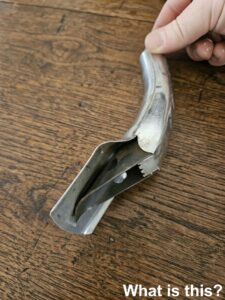
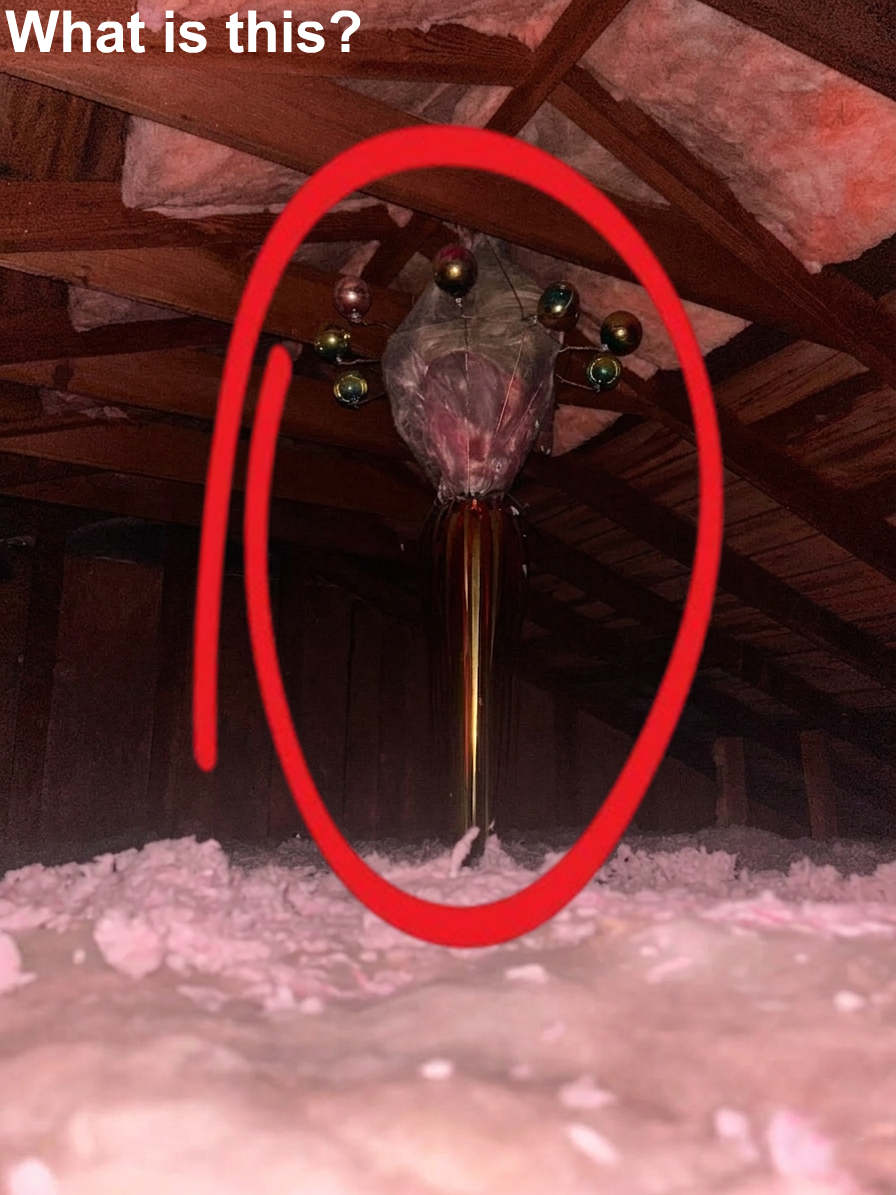
Stepping into the attic of a 1960s home is like opening a time capsule. The air is still, the floorboards creak underfoot, and the space is typically filled with decades-old insulation that looks like a patchwork quilt of rolled fiberglass and mineral wool. But beneath that familiar blanket of material, something unexpected often catches the eye. In this particular case, a curious object hangs suspended in the middle of the cramped space, defying immediate recognition. Its unusual shape and isolated placement prompt an immediate question: what exactly is it doing here?
At first glance, the mystery item seems completely out of place. It does not belong to the electrical wiring, the plumbing, or the structural framing that typically runs through mid-century attics. Instead, it dangles freely amid the insulation, its purpose obscured by years of dust and darkness. Homeowners and renovation enthusiasts who encounter finds like this often turn to online communities for answers, hoping that someone with historical building knowledge can shed light on the puzzle. The curiosity is entirely understandable. Older homes were assembled with a mix of practical ingenuity and era-specific building codes, leaving behind components that modern construction methods have long since phased out or redesigned.
The answer to this particular attic mystery lies in the history of residential ventilation and insulation practices. During the 1960s, builders became increasingly aware of moisture buildup and heat retention in roof cavities. To address these issues, they installed small, molded plastic fixtures known as insulation baffles or rafter vents. These devices were strategically placed along the eaves and between roof rafters to create a clear air channel from the soffit vents into the attic space. The hanging object in question is almost certainly one of these baffles, designed to sit in front of the roof decking and keep blown or batt insulation from blocking crucial airflow. Without it, insulation would collapse against the eaves, trapping warm, humid air and eventually leading to roof deck rot, ice dams in winter, or premature shingle deterioration.
What makes discoveries like this so fascinating is how they highlight the silent engineering of everyday homes. These baffles were never meant to be decorative. They were purely functional, mass-produced, and installed quickly during framing or insulation phases. Over sixty years, they often become hidden beneath layers of added insulation, forgotten until a renovation or inspection brings them to light. The surprise of finding one dangling in the gloom is a reminder that older houses operate as complete systems, each part playing a quiet but essential role in protecting the structure above and below.
For anyone who pulls back the insulation and uncovers a mystery component, the experience is equal parts frustrating and rewarding. The initial uncertainty fades once the object is identified, replaced by a deeper appreciation for how past builders solved environmental challenges with simple, durable solutions. Modern retrofits still rely on the same principles, even if the materials have evolved into higher density foams and engineered vent chutes. The old plastic baffles, however, have proven incredibly resilient. Many continue to perform their original job flawlessly, long after the contractors who installed them have moved on.
Exploring the hidden corners of a mid-century home is an exercise in patience and curiosity. Every beam, every wire, and every stray component tells a story about the materials, methods, and mindsets of its era. When you find something unfamiliar hanging in the insulation, resist the urge to discard it outright. Take a moment to document it, research its function, and learn how it contributed to the home original design. In doing so, you not only solve the immediate mystery but also gain a clearer understanding of how to maintain and preserve the house for the decades ahead. The attic may be dark and cluttered, but it holds the clearest evidence of how a home was built to endure.