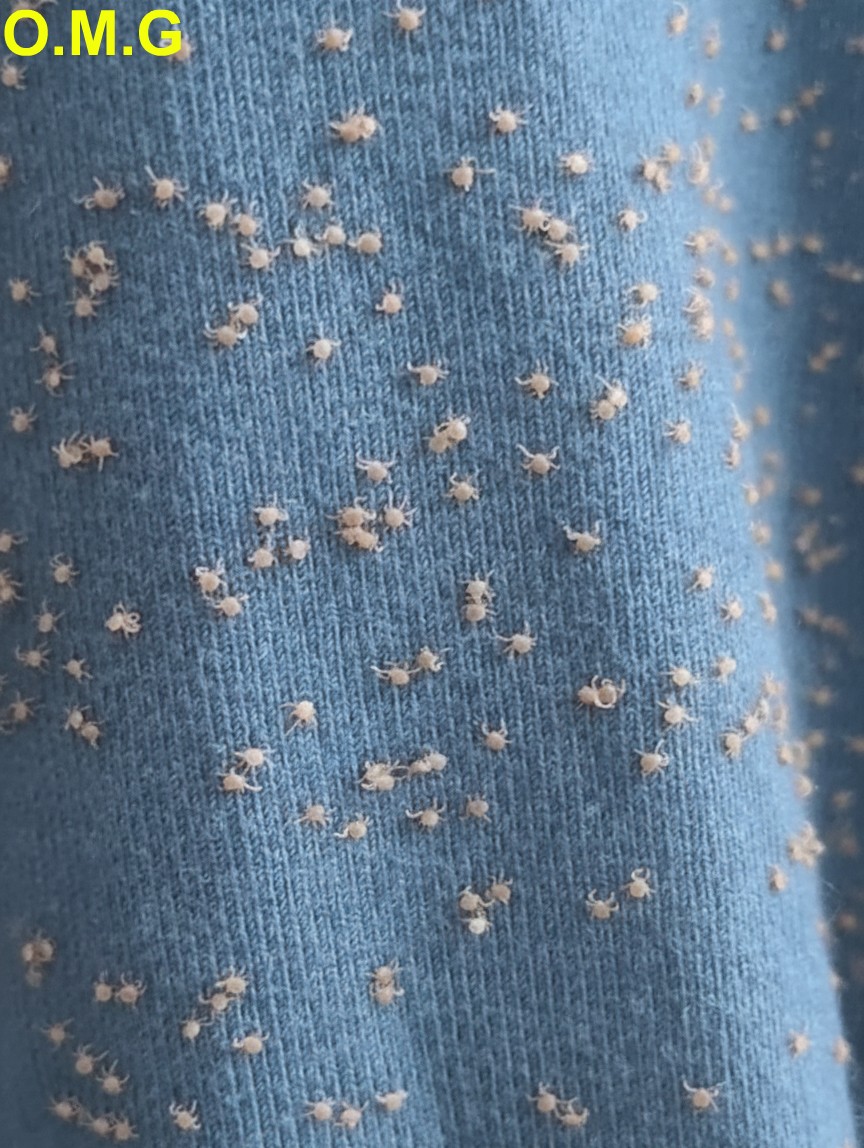
The Ingenious Science of Nature’s Hitchhiking Seeds
Have you ever gone for a peaceful walk through a park, field, or trail, only to look down and find your pant legs covered in tiny, clingy obstacles? It is a common experience that often leads to a moment of confusion. You return home, glance down, and realize your jeans look like a magnet for mysterious specks. Are they bugs, seeds, or something more exotic? The answer is far more ordinary, yet quite fascinating.
The culprits are what botanists call hitchhiking plant seeds, commonly known as burrs, stickseeds, or hitchhikers. Plants have evolved ingenious methods to propagate their species. Rather than relying solely on the wind or having animals consume their fruit, some plants have developed seeds specifically designed to cling to anything that brushes past them, whether it is animal fur, feathers, or human clothing.
If you examine these seeds closely, you will notice they possess clever adaptations such as tiny hooks or barbs that function like natural Velcro, fine hairs that snag onto fabric fibers, or sticky, resinous coatings. These characteristics ensure the seeds catch a ride away from the parent plant, allowing them to drop off in a new location and eventually germinate.
Several plant varieties are notorious for this behavior. Beggar’s Lice, or Tick Trefoil, features small, flat, Velcro-like seeds that seem to catch on everything. Burdock is famous for its large, round, hook-covered burrs, which famously served as the inspiration for the invention of modern Velcro. Other common offenders include Goosegrass, also known as Sticky Willy, which has fuzzy, adhesive green seeds, and Sandbur or Needle Grass, which produces sharp, pointy burrs that can easily penetrate socks. If your daily route takes you through tall grass or dense brush, you have likely walked directly into a colony of these opportunistic hitchhikers.
Removing these stubborn seeds can be a tedious chore, but there are effective ways to manage them. Using a lint roller or a piece of duct tape is often the fastest way to lift them off clothing gently. For more stubborn or embedded seeds, a fine-tooth comb or a pair of tweezers will do the trick. It is always best to brush your clothes off while still outside to prevent the seeds from finding a new home in your carpet or furniture. Furthermore, if you were accompanied by a dog during your walk, be sure to inspect their fur closely, as these seeds can easily become tangled and cause discomfort for your pet. A quick wash of your clothes afterward is recommended, as some seeds are remarkably resilient and can remain attached even through multiple wears.