The Natural Origins of Pensacola Bay Mudballs
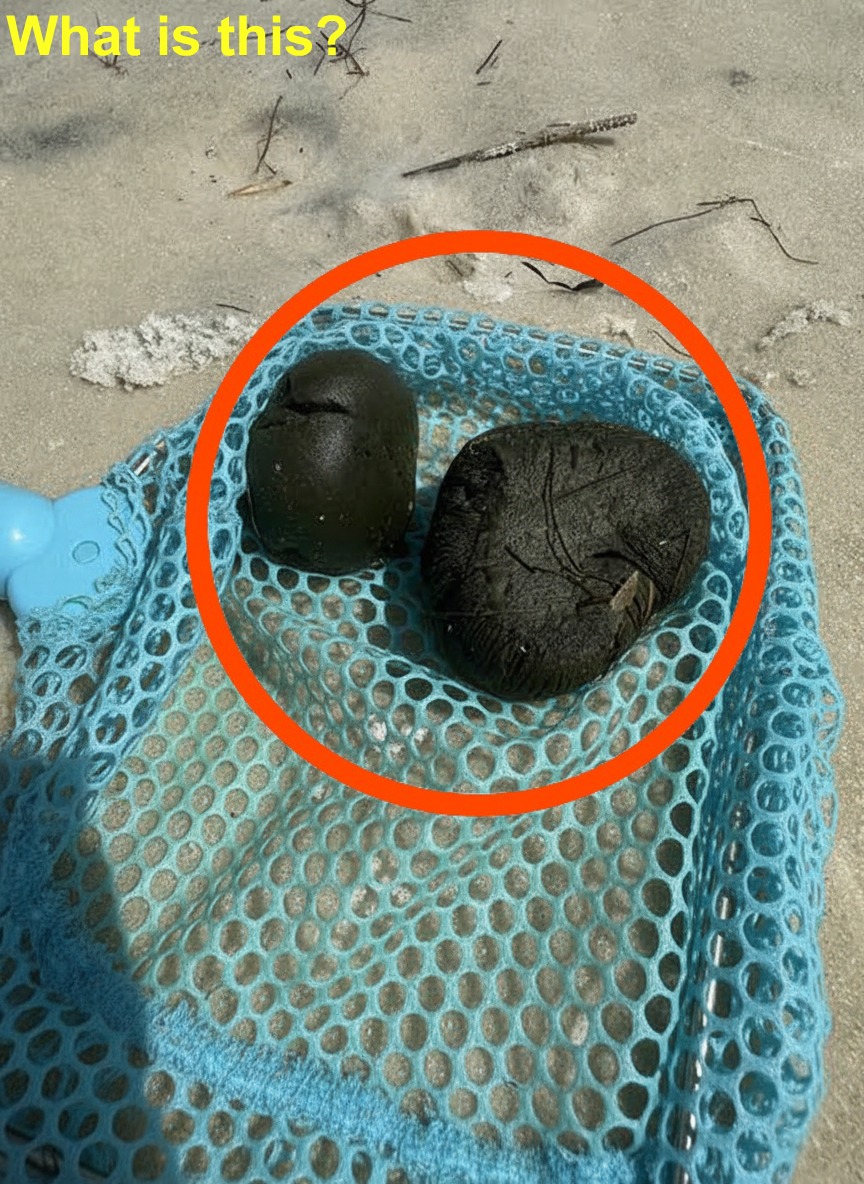
If you have spent any time in the Pensacola Bay area with children, you have likely heard the inevitable giggles and proud declarations of kids shouting that they have found a sea turd. While the crude nickname always earns a chuckle from adults, these strange little round objects are far more natural and fascinating than the name suggests. Despite what the children might jokingly call them, these discoveries are simply mudballs.
Finding these small, dark green, soft orbs along the sandy banks and grassy marshes of the Pensacola bayside is a common experience for local families. They blend perfectly into the shoreline, waiting to be spotted by curious explorers. Contrary to their humorous moniker, they are not waste from marine animals, nor are they manmade debris. They are essentially nature’s stress balls—harmless and entirely geological in origin.
The formation of a mudball is a surprisingly simple process. The seafloor of the bay consists of soft, clay-like mud banks. When pieces of this sediment break off due to wave action, tidal currents, or even the footsteps of someone walking through the shallow water, they begin a journey of transformation. As these chunks are tumbled and rolled by the water and sand, they are sculpted into smooth, round spheres. This process is very similar to how water polishes sea glass or river stones over time.
Because the sediments in Pensacola Bay are rich in organic material, the resulting mudballs often have a deep green or nearly black appearance. While their texture and color might occasionally make a parent wonder if they are looking at tar or something less savory, the mudballs are generally odorless and clean. As a rule of thumb, if a find smells strange, leaves an unusual residue, or feels excessively sticky, it is best to leave it behind and wash your hands. However, most are perfectly safe to handle, squeeze, and examine.
For many generations of Gulf Coast children, hunting for these peculiar treasures has become a quirky rite of childhood. They serve as a tactile introduction to the concepts of tides, geology, and the dynamic nature of our coastal environment. Instead of dismissing them as beach trash, these mudballs offer a wonderful opportunity to talk to children about how the water shapes the world around us. The next time a child runs up excitedly with a squishy green orb in their hand, you can explain that they have discovered a natural masterpiece of the bay. These small, fleeting treasures may never make it into a museum display case, but they often find a permanent place in the stories and memories that define a coastal childhood.