Slugs in the House: A Silent Warning of Hidden Moisture and Leaks
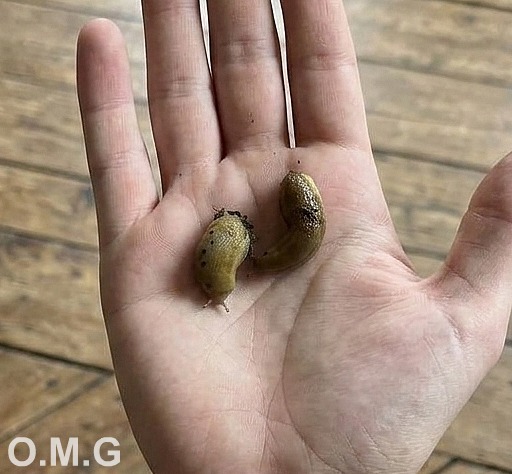
If you spot a slug gliding across your kitchen floor or clinging to a damp wall, it is easy to dismiss it as a random intruder. What it actually means is that your home has unknowingly provided the perfect conditions for these moisture-dependent creatures to wander in. Slugs are composed almost entirely of water and lose moisture rapidly in dry environments. They cannot survive indoors unless there is a consistent source of dampness. Their presence is a clear, silent alarm telling you that somewhere in your house, humidity is higher than it should be, water is accumulating, or a hidden leak is going unnoticed.
The first thing to understand is that slugs do not seek out human company. They are nocturnal foragers drawn to dark, wet, and cool places. If one appears inside, it has likely entered through a tiny gap you would never think to seal. Slugs have no bones; a fully grown slug can squeeze through a crack as thin as a coin. Common entry points include gaps beneath exterior doors, damaged weather stripping, weep holes in brickwork, utility pipe penetrations, and vents without fine mesh. Once inside, they follow the trail of moisture and organic matter, slipping behind baseboards, under appliances, or into pantries where a stray crumb or a damp cardboard box provides both food and shelter. Finding a single slug often means there are more hidden away, breeding in the shadows of a damp basement, a leaky under-sink cabinet, or a poorly ventilated bathroom.
This is not merely a nuisance; it is a useful diagnostic signal about your home’s health. Slugs feed on decaying plant material, fungi, mold, and even starchy residues like wallpaper paste or spilled flour. If a slug is surviving indoors, it has found something to eat. That something is often mold or mildew growing because of excess moisture. In many cases, a trail of slug sightings leads directly to a concealed plumbing drip, a cracked shower tray, a blocked air conditioning drain line, or rising damp from a compromised foundation. The slug is the messenger, and the real message is that unchecked moisture is gradually damaging your property and potentially affecting indoor air quality.
Addressing the situation begins not with poison, but with moisture elimination. A dehumidifier set to keep relative humidity below 50 percent will make the indoor environment hostile to slugs within a day or two. Search thoroughly for the water source: inspect under sinks for slow drips, check the water heater drip pan, pull back appliances to look for condensation on cold pipes, and examine basement walls after rain. Seal entry gaps with expandable foam, copper mesh, or fine stainless-steel wool—slugs will not cross copper because it reacts with their slime to deliver a mild electric shock. Outdoors, remove leaf litter, stacked firewood, and dense ground cover that touch exterior walls, as these are slug highways leading straight to your threshold. Repair torn window screens and attach door sweeps with a rubber seal that sits flush against the threshold.
In terms of immediate removal, pick up any visible slugs using a piece of cardboard or a glove and relocate them far into a dry, wooded area. Never sprinkle salt on them indoors; it kills them, but the resulting mess attracts other pests and leaves a saline residue that can damage surfaces. A simple beer trap—a shallow dish of cheap beer set into a container with a ramp—will draw out any hidden slugs overnight. The yeast fermentation scent is irresistible to them, and they will drown. This method is safe, non-toxic, and lets you confirm whether the population is larger than you thought.
There are cultural superstitions that assign a darker meaning to slugs inside a home, from a sign of envy to an omen of misfortune. Putting folklore aside, the scientific reality is actually more useful: a slug in your house is a real-time indicator that your living space is too wet, too open, and possibly already fostering decay. It is an invitation to inspect your home’s envelope and fix small vulnerabilities before they become expensive repairs. The next time you see that silvery trail glistening on the tile, do not just wipe it away. Follow it. It is pointing you straight to the problem you need to solve, giving you an early warning that no electric sensor can provide.