The Surprising Ways Sleeping with a Fan Affects Your Health
Many of us cannot imagine drifting off to sleep without the gentle hum and cool breeze of a fan. It drowns out background noise, circulates stale air, and provides comfort on warm nights. Yet, this seemingly harmless bedtime ritual comes with a list of unintended physical consequences that very few people talk about. Here is what really happens to your body when you sleep with a fan on, night after night.
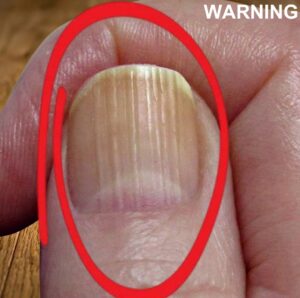
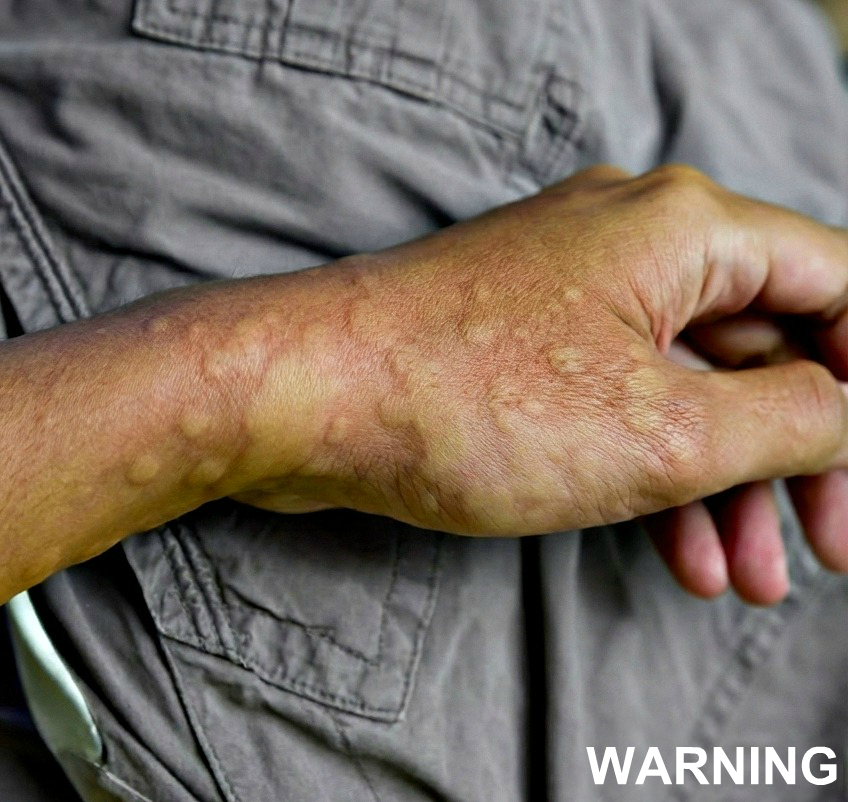
The most immediate effect is the constant stream of air blowing directly onto your skin. While it feels refreshing, it aggressively depletes natural moisture levels. Over several hours, your skin loses its protective lipid barrier, leading to pronounced dryness, flakiness, and a tight, uncomfortable sensation upon waking. For people with pre-existing conditions like eczema or psoriasis, this forced dehydration can trigger severe flare-ups. The cool air also irritates the delicate surface of the eyes. If your eyelids do not close completely during sleep—a surprisingly common condition known as nocturnal lagophthalmos—the moving air dries out the cornea, causing redness, a gritty sensation, and blurred vision in the morning.
Beyond the skin and eyes, the fan’s air stream delivers a mechanical shock to the respiratory system. The rotating blades churn up dust, pollen, and pet dander from the floor and nearby surfaces, pushing a concentrated plume of allergens toward your face. For those with asthma or allergic rhinitis, the result is a predictable cycle of nasal congestion, sneezing, and sinus irritation that disrupts the sleep cycle. Even without allergies, the cold, dry air can inflame the nasal passages, causing the body to overproduce mucus as a defense mechanism. This often leads to waking up with a blocked nose or a scratchy throat.
Muscle stiffness is another overlooked side effect. When your body detects a localized drop in temperature, it may unconsciously contract muscles to generate heat. Sleeping in a direct draft from a fan can cause the neck and shoulder muscles to remain tense all night, mimicking the sensation of having slept in an awkward position. You wake up with a stiff neck, sore back, or even a tension headache. For individuals already prone to neuralgic pain, such as that caused by trigeminal neuralgia, the constant cold stimulus can be a powerful trigger for sharp, shock-like facial pain.
The noise, while often a comfort to the brain, introduces subtle physiological stress. The continuous mechanical hum, technically a form of low-frequency white noise, can still cause a spike in cortisol levels in sensitive individuals, especially if the fan motor produces an irregular clicking or rattling sound. This prevents the body from entering the deepest, most restorative stages of slow-wave sleep. Over time, the diminished sleep quality compounds into daytime fatigue, irritability, and difficulty concentrating.
There is also a rarely discussed biological reaction known as cold-induced diuresis. When the body is exposed to a cool environment, blood vessels constrict to preserve heat, which increases blood pressure and signals the kidneys to filter out more fluid. Sleeping with a fan can therefore lead to a full bladder and interrupted sleep, pulling you out of bed in the middle of the night more frequently than you would otherwise.
That does not mean you must banish the fan entirely. An oscillating model that rotates air around the room rather than fixing it on your body mitigates many of these issues. Setting a timer so the fan switches off shortly after you fall asleep can prevent the prolonged exposure. A humidifier in the room counteracts the drying effect significantly. And a thorough dusting of the fan blades and a high-quality air purifier can remove the particulate matter that feeds allergic reactions. The fan is not the enemy, but the way we use it turns a harmless appliance into a contributor to chronic discomfort. Understanding the consequences is the first step to waking up feeling genuinely refreshed instead of dried out, congested, and stiff.