What Those Fingernail Ridges Reveal About Your Health
If you have noticed lines, ridges, or grooves running across or along your fingernails, you might be wondering what your body is trying to tell you. One of the most common explanations people encounter online is that those lines mean you have a calcium deficiency. While that can be true in some cases, the full picture is more nuanced. Your nails can act as a mirror of your internal health, and changes in their texture often signal something worth paying attention to — from simple nutritional gaps to more serious underlying conditions.
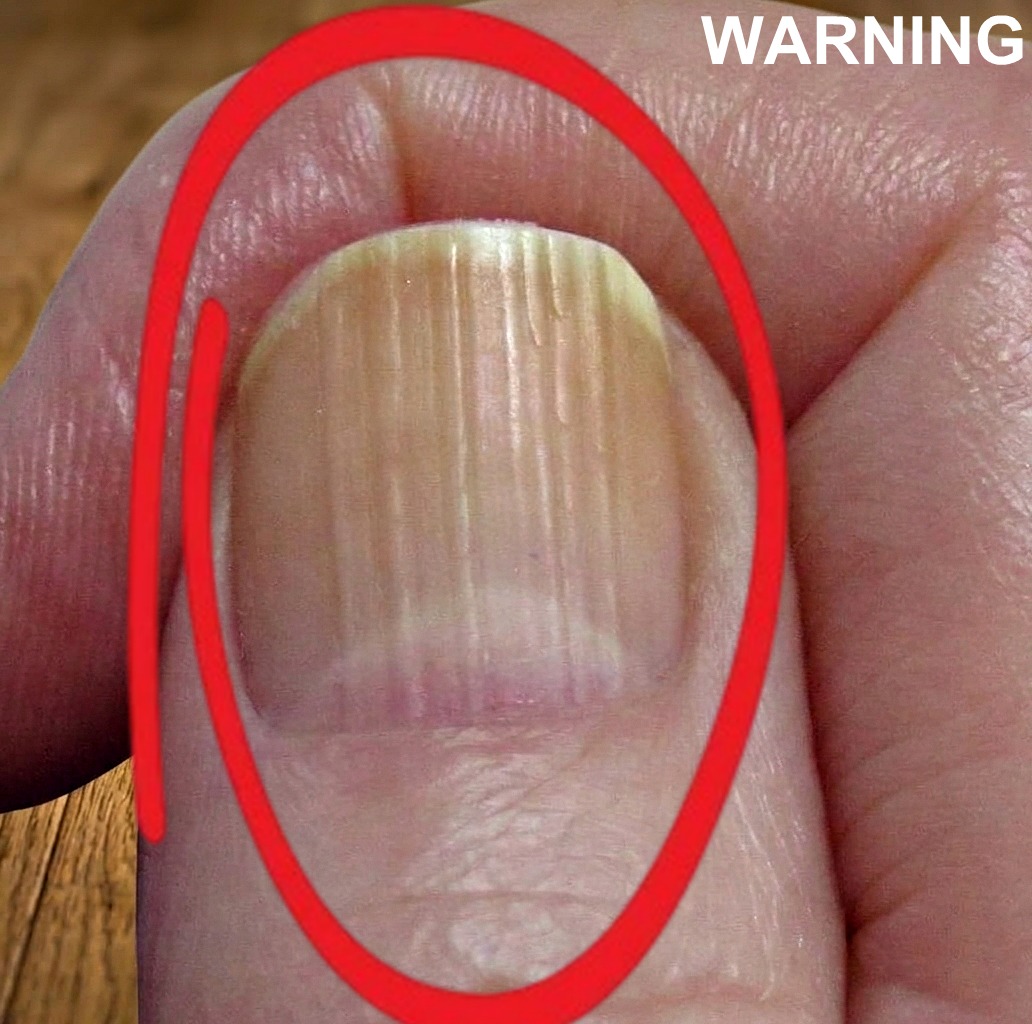
The lines you see on your nails generally fall into two categories. Vertical ridges, which run from the cuticle to the tip of the nail, are often a normal part of aging. Just as the skin develops fine lines over time, the nail matrix can produce slightly uneven nail plates as we grow older. These vertical striations are usually harmless and may simply indicate that the nails are becoming drier. However, when vertical ridges appear suddenly in a younger person or become very pronounced, they can be linked to deficiencies in certain minerals — including calcium, iron, or zinc — or to dehydration and poor absorption of nutrients.
Horizontal lines, on the other hand, are known as Beau’s lines. These are indentations that run across the nail from side to side. Unlike vertical ridges, Beau’s lines are never considered a normal sign of aging. They appear when the growth of the nail plate is temporarily interrupted, often following a significant physical stressor such as a high fever, a severe illness like pneumonia, a major surgery, or even a heart attack. In some cases, uncontrolled diabetes, peripheral vascular disease, or a zinc deficiency can trigger these horizontal grooves. If you notice a deep horizontal line across multiple nails, it is a wise idea to consult a healthcare professional to rule out any systemic illness.
The specific idea that lines on your nails point directly to a calcium deficiency stems from the fact that calcium is essential for nail strength and growth. A genuine lack of calcium, medically known as hypocalcemia, can cause nails to become brittle, thin, and prone to splitting. You might also see vertical ridges and a general loss of the nail’s smooth surface. However, calcium deficiency rarely shows up in isolation in the nails; it is often accompanied by other signs such as muscle cramps, numbness and tingling in the fingers, fatigue, and poor dental health. If you suspect a calcium deficiency, simply increasing your intake of dairy products, leafy greens, almonds, and fortified foods may help, but it is crucial to get a blood test to confirm it before taking high-dose supplements, as an imbalance can also affect other minerals.
Beyond calcium, several other silent messengers can rewrite the surface of your nails. An iron deficiency leading to anemia can cause the nails to become concave or spoon-shaped — a condition called koilonychia — and may also present with vertical ridges. A lack of B vitamins, particularly biotin, can result in brittle nails and longitudinal ridges. Protein deficiency slows down nail growth and can make the nail plate look ridged and dull. Even thyroid disorders play a role: an underactive thyroid (hypothyroidism) often makes nails thick, brittle, and ridged, while an overactive thyroid (hyperthyroidism) can cause the nail to separate from the nail bed.
It is also essential to consider external forces. Frequent exposure to water, harsh cleaning chemicals, acetone-based nail polish removers, and the constant tapping of acrylic or gel manicures can traumatize the nail matrix and lead to surface irregularities that look just like nutritional ridges. In such cases, the fix might be as simple as letting the nails rest for a few weeks, moisturizing the cuticles daily, and wearing gloves when doing dishes.
Your emotions around discovering these lines matter. It can be frightening to look down at your hands and feel that something isn’t right. The good news is that nails regenerate completely every six to nine months. If the trigger is removed — whether it is a temporary illness, a short-term nutritional gap, or a harsh cosmetic habit — the new nail growth will come in smooth and healthy, pushing the flawed portion out to the tip. Watching that line slowly travel toward the end of your finger and finally disappear can be a quiet reassurance that your body is healing.
So, what should you do if you see lines on your nails? Start by observing them. Note whether the ridges are vertical or horizontal, whether they appear on one nail or all twenty, and whether you have any other symptoms. If the lines are vertical and you feel well otherwise, focus on hydration, a nutrient-dense diet rich in calcium, iron, and biotin, and gentle nail care. If you spot horizontal Beau’s lines, especially if they appear on several nails at once, or if your nails are also changing color, lifting, or causing pain, make an appointment with your doctor. Your nails are not just a canvas for polish; they are a daily diagnostic snapshot of your body’s inner workings, and sometimes a simple ridge is the first quiet whisper that something inside needs a little more care.