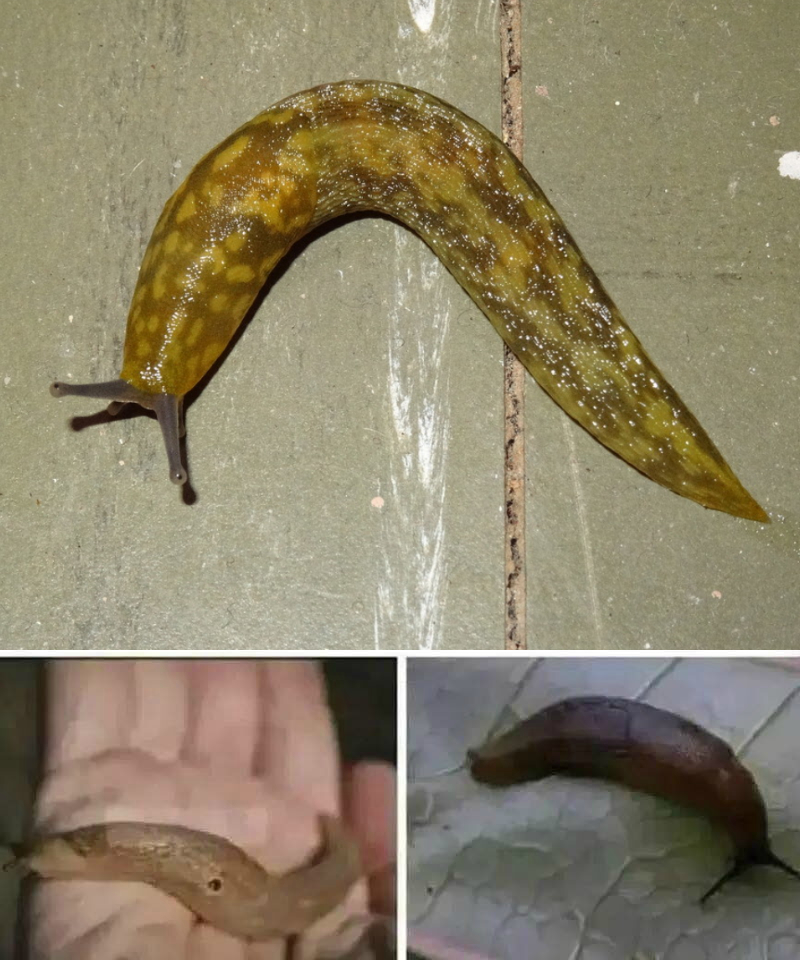
When a slug visits your house, it means you have…
Slugs are often treated as little more than unpleasant, slimy creatures that show up after rain or find their way into gardens. Their appearance may not make them especially welcome, but they have a much larger role in the natural world than many people realize. Beyond the first reaction they often provoke, slugs contribute to the health of ecosystems and have even drawn attention in medicine, cosmetics, and neuroscience.
In nature, slugs work quietly as part of the recycling system of the soil. They feed on fallen leaves, fungi, and other organic remains, helping break down plant material that would otherwise sit on the ground. As this matter decomposes, nutrients return to the earth, making the soil richer, more fertile, and more productive. In that sense, slugs help support the conditions that allow plants and gardens to keep growing.
They also occupy an important place in the food chain. Birds, toads, hedgehogs, beetles, and other animals rely on them as a food source. Even though they may seem insignificant, removing such creatures from the balance of nature would affect other living beings that depend on them. Slugs are one small part of a much larger and delicate system.
One of the most surprising things about slugs is found in the mucus they leave behind. The sticky slime that many people dislike contains properties that have become interesting to science. Researchers have found enzymes with regenerative, antibacterial, and anti-inflammatory effects, and medical studies are looking at how these qualities might help speed up wound healing.
Their slime also has a connection to beauty and skin care. It shares components with well-known snail slime, including hyaluronic acid and antioxidants. Because of this, laboratories have become interested in its potential as a natural ingredient for moisturizers and anti-aging treatments.
Slugs have value in another field as well: the study of the brain. Their nervous system is relatively simple, which makes them useful in neuroscience. Scientists have studied them to better understand memory and learning, two key areas connected to the human brain.
So while slugs may never be among the most admired creatures, they are far from useless. They help clean and enrich the soil, provide food for other animals, offer compounds that may be useful for skin care and healing, and help science explore how learning and memory work. Nature often proves that even the most overlooked living things have a purpose, and slugs are a clear example of that hidden value.