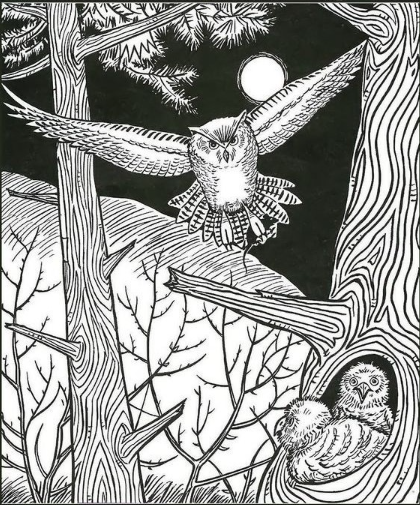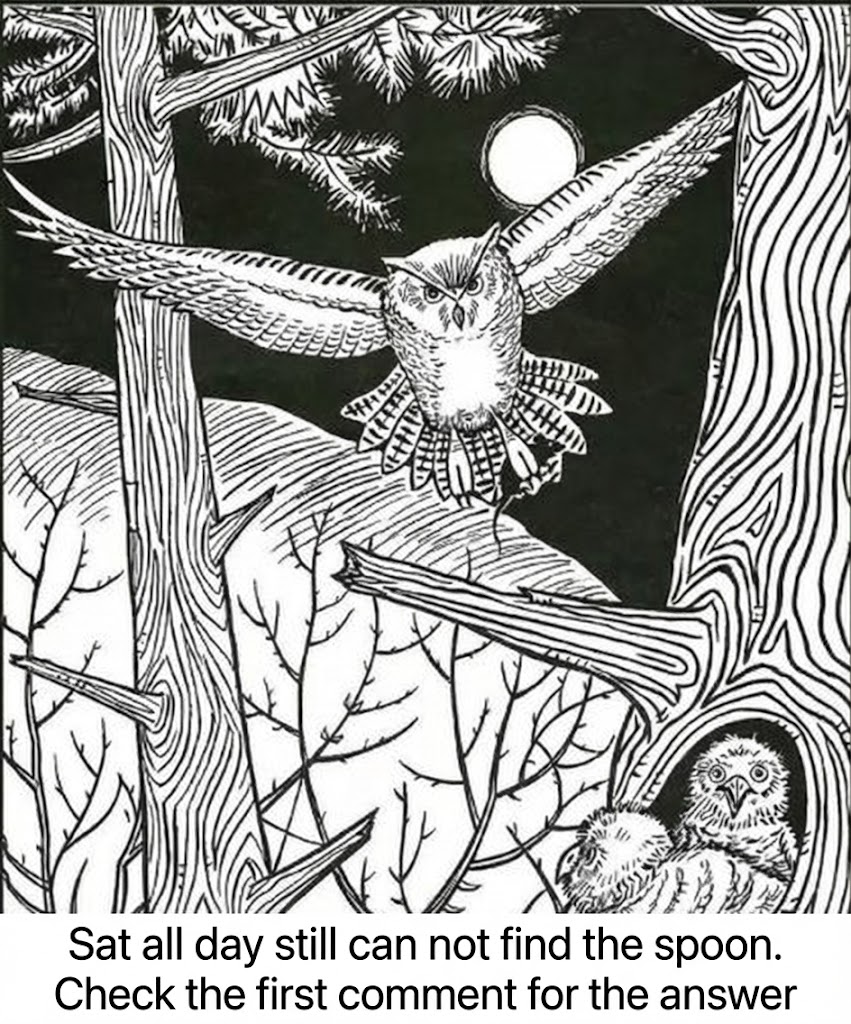
Sat all day still can not find the spoon
There is something unforgettable about seeing an owl move through the evening air. At dusk, when the last daylight fades and the world begins to quiet down, a dark shape can pass almost without a sound. That silent movement is part of what has made owls so fascinating for generations. They are birds of prey built for the night, with bodies, senses, and habits perfectly suited to hunting in darkness.
As twilight turns into night, owls become active while many other birds settle down to rest. Their calls travel through forests, fields, barns, and marshes, adding mystery to the darkness. Yet their reputation is not only about atmosphere or folklore. Owls are highly specialized hunters, careful parents, and important members of the ecosystems they inhabit. Understanding how they live makes it clear why these nighttime guardians deserve both admiration and protection.
One of the most remarkable things about an owl is its nearly silent flight. Most flying birds create noticeable noise as air moves over their wings. Owls are different because their feathers are shaped in a way that softens that sound. Their broad wings have serrated edges that break up turbulence, and a soft fringe along the wing helps turn rushing air into something closer to a whisper. This allows an owl to approach prey before the animal realizes danger is near.
Their wing shape also helps them maneuver through complicated spaces. Rounded wings and a short tail allow quick turns between branches, which is especially useful in forests or wooded areas. An owl does not need open skies to be effective. It can move through trees with control, patience, and precision.
Hearing is just as important as flight. The feathers around an owl’s face form a facial disc, a concave shape that helps direct sound toward the ears. Many owls also have ears placed slightly unevenly on the head, which helps them judge exactly where a sound is coming from. A mouse rustling beneath leaves, grass, or even snow can give away its location. With this kind of hearing, an owl can hunt in conditions where sight alone would not be enough.
Owls eat many kinds of prey, depending on their species and habitat. Rodents are common, but their diet can also include bats, insects, fish, and other birds. Some owls hunt from a perch, waiting quietly from a high lookout while listening for movement below. Once they detect a target, they launch into a controlled glide, extending their talons at the final moment.
Different species have different strengths. Barn owls are known for catching mice and may swallow small prey whole. Later, they regurgitate pellets made of fur and bones, and those pellets can help researchers learn what small animals live in an area. Great horned owls are powerful enough to take larger prey, including rabbits, raccoons, and even porcupines in some cases. This variety shows how adaptable owls can be as predators.
Their family life reveals another side of them. Many owls nest in natural tree cavities or in abandoned woodpecker holes. Others may use sheltered places such as barns or similar sites, depending on what is available. A hollow in a tree can become a nursery where young owlets grow under constant care.
A typical clutch may contain two to five eggs. During incubation, one parent stays with the eggs while the other hunts and brings food. After hatching, the chicks are helpless and depend on their parents for warmth and meals. Their first food is provided by the adults, often in regurgitated form. Over time, the downy young birds develop feathers and strength, but the process is not instant. It may take up to two months before they are ready to fledge.
The first attempts at flight can look awkward. Young owls flap uncertainly and test their wings before gradually gaining control. What begins as clumsy movement becomes the graceful, quiet flight associated with adults. Watching that change is a reminder that even the most elegant hunters begin with practice and dependence.
For anyone hoping to see owls in the wild, timing matters. Dusk and dawn are often the best periods because owls may be shifting between resting and hunting. Listening can be more useful than looking at first. Their calls differ by species and can include hoots, screeches, trills, and other distinctive sounds. Learning local calls can make it easier to recognize which owl is nearby.
Habitat also matters. Forest edges, marshlands, abandoned barns, and wooded parks may attract different owl species. A little research into local hotspots can improve the chances of a sighting. Patience is essential. Moving slowly, keeping quiet, and avoiding bright lights helps prevent disturbing the birds. A red-filtered headlamp can help preserve night vision while reducing the chance of startling wildlife.
It is also useful to record details after a sighting. Time, location, behavior, and call patterns can all be valuable. Citizen-science projects often rely on such observations to track owl populations and understand where different species are thriving or declining.
Despite their skill and long history, owls face serious modern threats. Habitat loss is one of the largest problems. Logging, farming, and urban expansion can remove nesting sites and reduce hunting grounds. When old trees and natural cavities disappear, many owls lose the places they need to raise young.
Poison is another danger. Rodenticides used to kill rats and mice can move up the food chain. An owl that eats poisoned prey can suffer secondary poisoning. Vehicles and power lines add further risks, especially for birds hunting near roads or open corridors.
There are practical ways to help. Artificial nesting boxes can provide safe breeding spaces in woodlands, parks, and suitable urban areas. Safer pest-control methods can reduce the risk of poisoning. Rescue and rehabilitation centers care for injured birds of prey, while education programs teach communities how to live alongside owls. Protecting darker night skies can also support nocturnal wildlife.
Owls have always held a strong place in human imagination. In ancient Greece, the little owl was linked with Athena and became a symbol of wisdom. In Native American traditions, owls often appear in stories as powerful omens, sometimes protective and sometimes warning of danger. Modern science explains many of the traits that once seemed magical: sensitive eyes that can work in low light, specialized feathers that quiet the wind, and precise hearing that turns darkness into a hunting advantage.
Even with scientific explanations, the sense of wonder remains. An owl lifting from a branch into moonlight can still feel like a silent performance of nature. Its mystery is not diminished by knowledge; it becomes richer.
Owls combine beauty, efficiency, and vulnerability. Their silent wings, sharp hearing, strong hunting instincts, and careful parenting make them extraordinary birds. Their challenges remind us that even skilled predators depend on healthy habitats and thoughtful human choices.
The next time a distant hoot sounds under the night sky, it is worth pausing for a moment. Behind that call is a bird shaped by countless adaptations, a hunter moving through darkness with precision, and a living part of the natural world that still needs protection. Celebrating owls means celebrating the quiet magic woven into every night.