Visible Veins Explained: Normal Causes, Health Risks, and When to Worry
Noticing that the veins on your arms, hands, legs, or feet look stronger than usual can be unsettling. For many people, the change is harmless and connected to age, body type, heat, exercise, or family traits. In other cases, however, veins that suddenly become prominent may point to a circulation problem that deserves medical attention.
Veins are part of the body’s circulatory system. Their job is to carry blood that has already delivered oxygen back toward the heart. They are different from arteries, which move oxygen-rich blood away from the heart. Because veins have thinner walls and are often closer to the surface of the skin, they can become easier to see under certain conditions.
The fact that a vein is visible does not automatically mean something is wrong. Visibility can change from one day to another depending on temperature, hydration, activity level, hormone changes, or how much tissue lies between the skin and the vein. Understanding the common causes can help separate ordinary changes from warning signs.
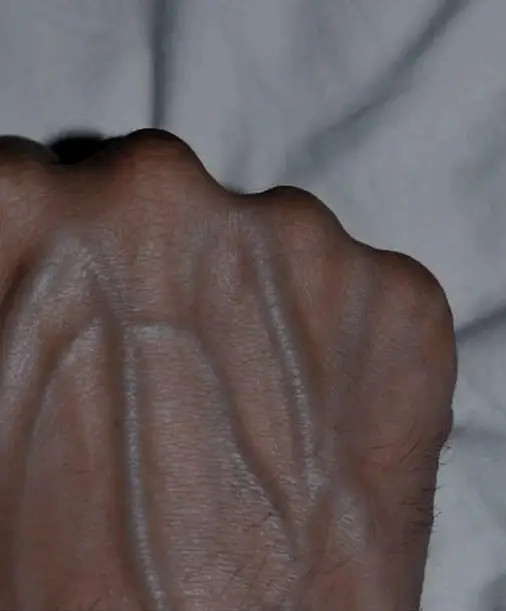
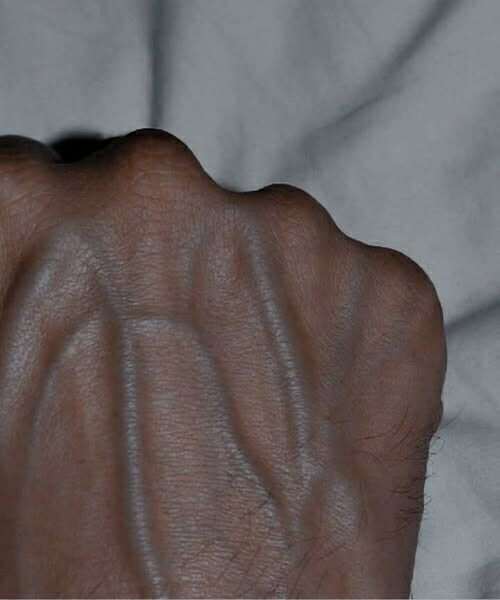
One of the most common harmless reasons is low body fat. People who are very lean, including athletes and bodybuilders, often have veins that stand out because there is less fat beneath the skin to cover them. This is especially noticeable in bodybuilding, where low body fat and dehydration before competition can make veins appear very pronounced.
Aging can also make veins more visible. As skin gets older, it gradually loses thickness and elasticity. This can make it look thinner or more translucent, especially after the age of 40. When the skin becomes more delicate, veins that were always there may simply become easier to notice.
Exercise is another frequent reason. During physical activity, blood flow increases and veins may expand to handle the extra circulation. After a demanding workout, such as high-intensity interval training, veins in the arms or legs may look much more obvious. In fit people, this effect can be stronger and may last even after exercise has ended.
Heat can have a similar effect. Warm weather, hot rooms, or a hot shower can cause veins to widen. This helps the body release heat more efficiently, but it also makes the veins more visible through the skin. Many people notice this during summer or after bathing.
Genetics also matter. Some people naturally have more visible veins because of inherited skin thickness, fat distribution, or vein structure. If several family members have the same appearance, it may simply be a normal family trait rather than a sign of illness.
Still, visible veins should not always be dismissed as cosmetic. Sometimes they are linked to conditions that affect blood flow, especially in the legs. One possible cause is chronic venous insufficiency. This happens when the valves inside the veins become weak and blood does not move upward as efficiently as it should. Blood can then collect in the legs, leading to heaviness, swelling, bulging veins, skin discoloration, or even ulcers.
Varicose veins are another common concern. These veins are enlarged and twisted, and they may ache, itch, or cause discomfort. They are often associated with changes in the surrounding skin, including discoloration or irritation. If left untreated, varicose veins can sometimes lead to complications such as bleeding or inflammation of a vein.
Superficial thrombophlebitis can also make a vein stand out. This condition involves a small clot in a vein near the skin’s surface. It may cause redness, tenderness, and a firm, cord-like vein that can be felt under the skin. It is usually not life-threatening, but it can be painful and should be assessed if symptoms are concerning.
A more serious condition is deep vein thrombosis, often called DVT. This occurs when a clot forms in a deeper vein, usually in the leg. Warning signs can include sudden swelling, warmth, pain, and redness. DVT requires urgent medical care because a clot can travel to the lungs and cause a pulmonary embolism.
Not every temporary change is dangerous. Intense workouts can make veins look more prominent for a short time because of increased blood flow. Fitness enthusiasts sometimes call this vascularity, and some view it as a sign of physical conditioning.
Dehydration may also make veins appear stronger. When the body does not have enough fluid, blood volume can drop, which may make veins look closer to the skin’s surface. Drinking enough water supports circulation and may reduce this effect.
Hormonal changes can influence vein visibility as well. Pregnancy, menstruation, and menopause can all affect the way veins appear. During pregnancy, increased blood volume and hormonal shifts may make veins easier to see.
Sudden weight loss can have a similar result because there is less fat under the skin. If the weight loss was intentional and otherwise healthy, the change may be expected. If weight loss happens quickly without a clear reason, it should be discussed with a healthcare provider because it may point to another health issue.
Medical advice is especially important when veins become more visible suddenly and there is no obvious explanation such as exercise, heat, weight change, or dehydration. Pain, swelling, warmth, redness, changes in skin texture, discoloration, or sores should not be ignored. A family history of vein disease or other risk factors also makes it wise to seek professional guidance.
Early evaluation can be useful because circulation problems are often easier to manage before they become severe. A healthcare professional can examine the veins, review symptoms, and decide whether further testing or treatment is needed.
Management depends on the cause and severity. For many people, lifestyle changes can support healthier veins. Maintaining a healthy weight, staying active, elevating the legs while resting, and avoiding long periods of sitting or standing can all help circulation. Simple movements such as calf raises may encourage blood to move through the legs more effectively.
Compression stockings are often used when leg swelling or circulation issues are present. These specially designed stockings apply pressure to the lower legs, helping blood move back toward the heart and reducing swelling. They should be chosen with medical guidance when symptoms are significant.
For more serious vein problems, medical procedures may be considered. Sclerotherapy uses injections to close certain veins. Laser therapy and surgical options may also be used in cases involving varicose veins or chronic venous insufficiency. These treatments can improve symptoms and may also improve appearance.
Daily prevention habits can make a difference. Staying well hydrated supports overall circulation. Moving regularly during long periods of sitting, standing, or travel can help prevent blood from pooling in the legs. Avoiding smoking is important because smoking can harm vascular health by narrowing blood vessels. A balanced diet with nutrients, antioxidants, and flavonoids may also support the structure and function of blood vessels.
Visible veins can also affect confidence. Some athletes see them as a sign of strength and conditioning, while others feel self-conscious about them. Both reactions are understandable. The key is to consider both appearance and health, especially when symptoms are present or the change is new.
In most cases, visible veins are not an emergency and are linked to normal factors such as age, fitness level, heat, genetics, or body composition. But they can sometimes signal venous insufficiency, varicose vein complications, superficial clotting, or deep vein thrombosis.
The safest approach is to watch for context and symptoms. Veins that appear during exercise or hot weather and then settle down are usually less concerning. Veins accompanied by pain, swelling, warmth, redness, skin changes, or sudden unexplained prominence should be checked. When there is doubt, medical advice is the best choice, because veins are more than a surface feature; they can offer clues about circulation and overall vascular health.