Clinical Case Study and Overview of Sweet Syndrome
A patient was sent urgently to dermatology after the sudden appearance of unexplained skin lesions. During the clinical evaluation, the medical team advised stopping a recently prescribed medication right away and began a broad diagnostic investigation. The workup included a skin biopsy and several blood tests, including a complete blood count, antibody testing, lupus anticoagulant testing, and multiple serology panels. Oral corticosteroids were started as the first treatment.
The response was rapid. Within 24 to 48 hours after beginning corticosteroid therapy, the lesions became much less intense, and the pain eased noticeably. Blood testing showed leukocytosis with neutrophilia. Antibody and lupus anticoagulant results were positive, while the remaining serology tests were negative. Twenty days later, the biopsy report provided the final answer: Sweet syndrome.
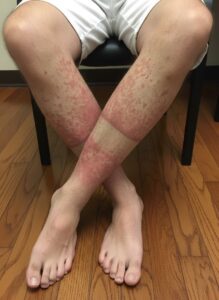
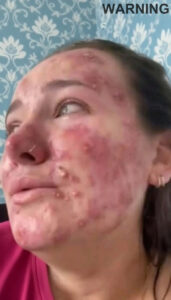
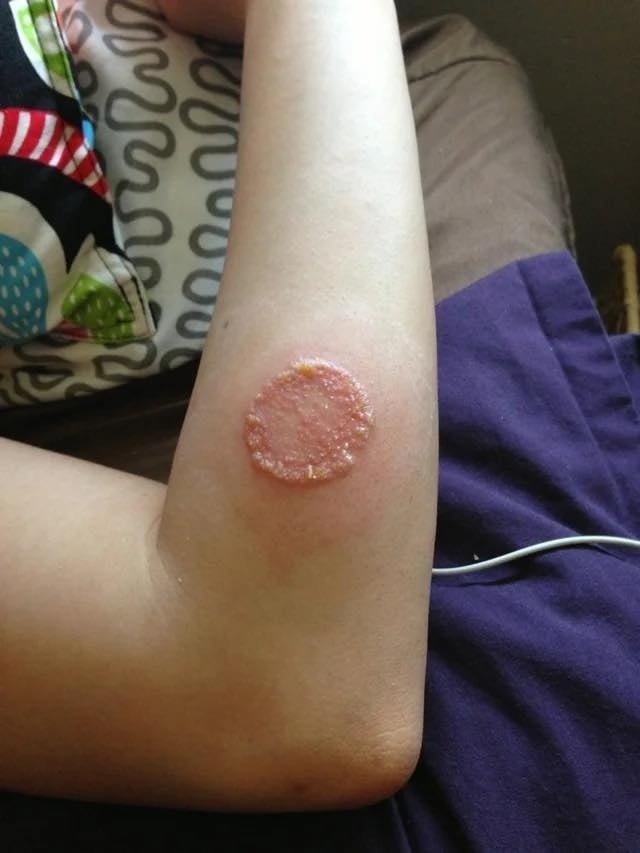
Sweet syndrome is also known medically as acute febrile neutrophilic dermatosis. It belongs to the group of neutrophilic dermatoses and is defined under the microscope by dense collections of neutrophils in the skin. Clinically, it usually appears suddenly as painful red papules or plaques. These lesions often occur on both sides of the body but in an uneven pattern, and they most often involve the face, neck, upper trunk, and hands. The skin findings may be accompanied by systemic signs such as fever and an elevated white blood cell count with neutrophilia.
The exact cause of Sweet syndrome is still not fully understood. Current understanding points to cytokine-driven processes that attract and activate neutrophils and histiocytes. In many cases, it is considered a hypersensitivity reaction. It may appear after an upper respiratory tract infection, in association with paraneoplastic disease, or after exposure to certain medications.
Recognizing Sweet syndrome matters because the diagnosis should also prompt clinicians to look for possible underlying systemic illness. This is especially important in atypical presentations. Lesions on the backs of the hands, for example, can sometimes be an early clue to an occult malignancy, so the condition should not be treated as only a superficial skin problem without proper evaluation.
Sweet syndrome is seen more often in women, particularly when the case is idiopathic or drug-induced. Reported medication triggers include contraceptives, antiepileptic drugs, antibiotics, antihypertensive medications, colony-stimulating factors, and vaccines. Other drugs may also be involved, as illustrated by this case, where stopping a recently prescribed medication was part of the initial management.
The usual first-line treatment is oral corticosteroids, and the improvement can be strikingly fast. General discomfort and pain often begin to recede within hours, and skin lesions commonly resolve in less than a week. In this patient, the abrupt appearance of red papular lesions on the face and neck required a careful differential diagnosis. The possibilities considered included urticaria, contact dermatitis, toxicoderma, and cutaneous lupus.
Those alternatives were assessed through the clinical history, complementary testing, and pathology. After the other conditions were systematically excluded and the biopsy findings were available, Sweet syndrome was confirmed. The case highlights the importance of urgent evaluation when painful inflammatory skin lesions appear suddenly, especially when medication exposure, systemic symptoms, abnormal blood counts, or atypical lesion locations are present.