Understanding Common Skin Irritations in Infants: What You Should Know
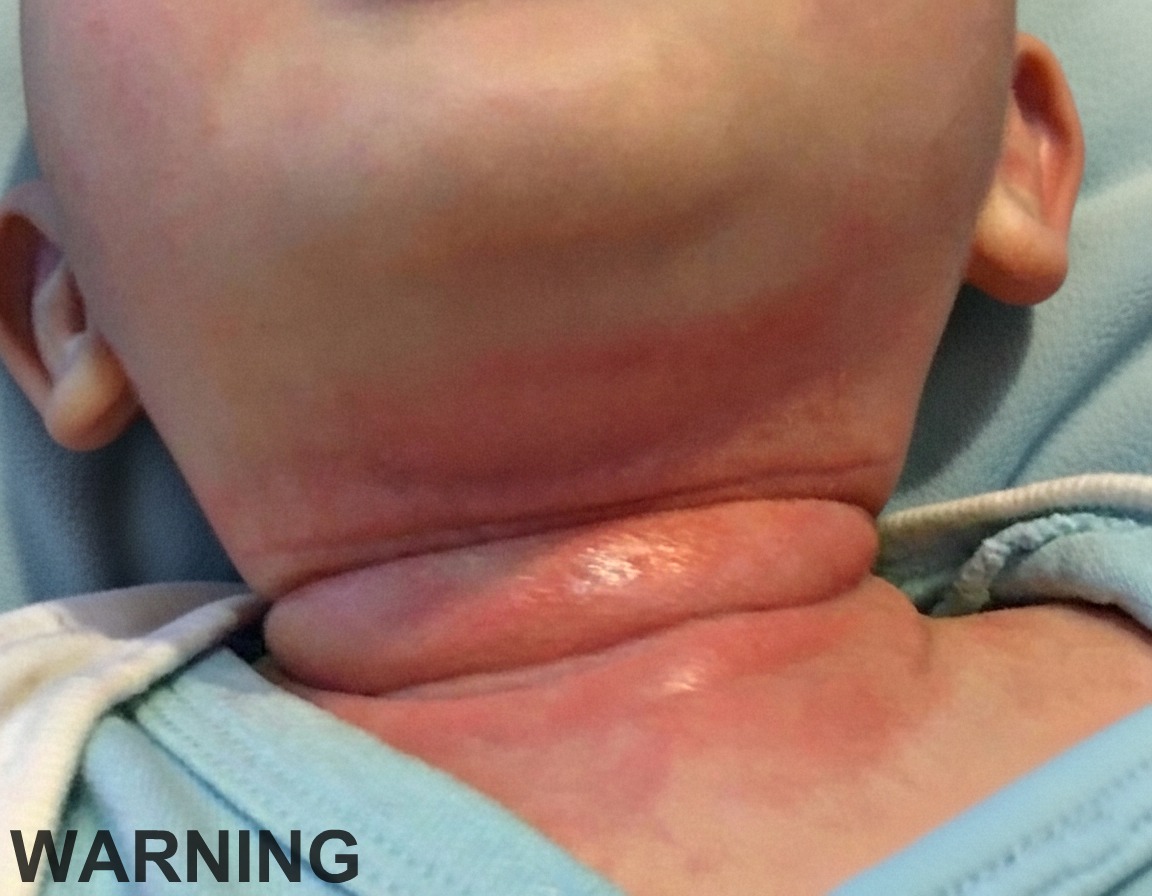
As a parent or caregiver, noticing a sudden patch of redness or irritation on a baby’s delicate skin can be an immediate cause for concern. It is natural to feel a sense of urgency when you see something that looks uncomfortable, especially in areas like the neck folds where skin-on-skin contact is constant. While many of these skin reactions are common and often harmless, understanding the difference between routine irritation and situations that require professional medical attention is an essential part of infant care.
The most frequent cause of redness in an infant’s neck area is often related to moisture and friction. Babies, particularly those in their first few months, have very sensitive skin and often have deep skin folds. When milk, saliva, or sweat accumulates in these folds, it creates a warm, damp environment that can quickly lead to irritation. This is often referred to as intertrigo or, more colloquially, a moisture rash. Because the skin in these areas is constantly rubbing against itself, even a small amount of trapped moisture can cause the skin to appear bright red, shiny, or slightly raw.
Another common factor is contact dermatitis. This occurs when the baby’s skin reacts to a substance it has touched. This could be anything from the fabric of a new shirt, a specific type of laundry detergent, or even residue from lotions and soaps. Because a baby’s skin barrier is still developing, it is much more permeable and reactive than an adult’s. Identifying potential triggers involves looking at recent changes in your routine—have you switched to a new brand of baby wash? Has the baby been wearing a new outfit that hasn’t been washed yet? Often, simply removing the irritant and keeping the area clean and dry is enough to see a significant improvement within a few days.
However, it is important to distinguish between simple irritation and signs of a secondary issue. If you notice that the redness is accompanied by a distinct odor, if the skin begins to weep or crust over, or if you see small, pimple-like bumps spreading beyond the initial area of redness, it may indicate that the skin has become compromised. In such cases, the warm, moist environment might have allowed bacteria or yeast to thrive. These conditions are not uncommon, but they generally do not resolve on their own and may require a specific treatment plan from a pediatrician.
When should you reach out to a professional? If the redness does not seem to improve with basic hygiene practices—such as gentle cleaning with water and patting the area completely dry—it is time to consult a doctor. Additionally, if your baby seems unusually fussy, is pulling at the area, or develops a fever, these are clear indicators that the irritation is causing more than just mild discomfort. A pediatrician can accurately assess whether the rash is purely mechanical or if it requires a medicated cream to help the skin barrier heal properly.
Prevention remains the best approach. Keeping the neck folds clean and dry is the golden rule. After feeding, gently wipe away any milk or saliva that may have dribbled into the folds. During bath time, ensure that you are using fragrance-free, hypoallergenic cleansers that are gentle on the skin. After bathing, take a moment to carefully pat the neck folds dry rather than rubbing them, as friction can exacerbate the issue. By staying observant and maintaining a consistent, gentle skincare routine, you can manage most minor irritations at home while knowing exactly when to seek the guidance of a medical professional for your baby’s health.