These are the consequences of sleeping with a fan on: Understanding nocturnal skin reactions
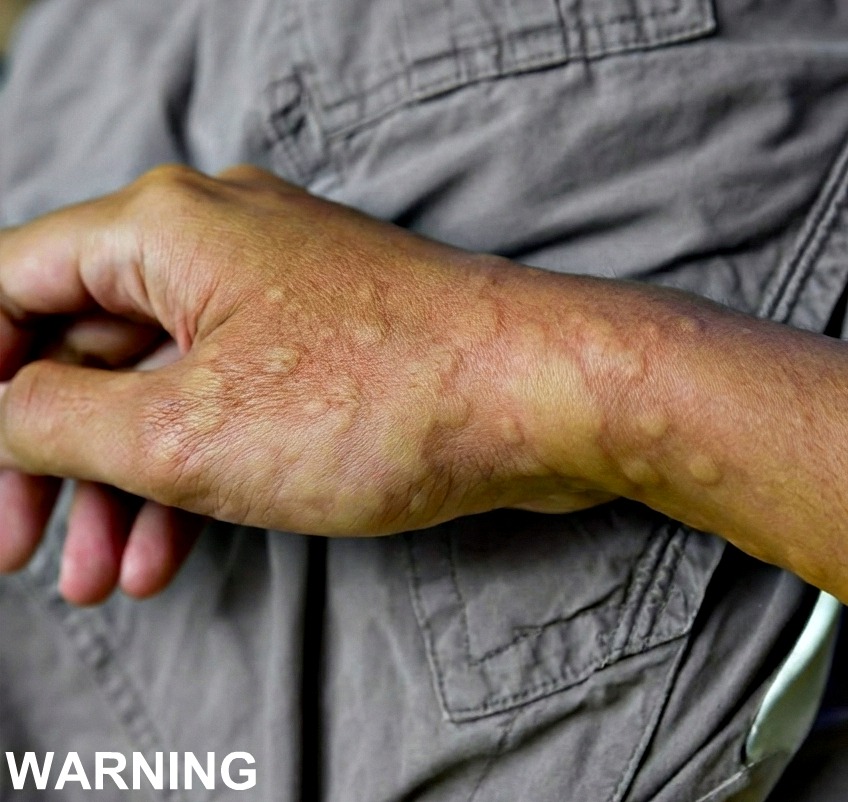
Waking up to find mysterious bumps, redness, or itchy patches on your skin can be a jarring experience. Often, we immediately look for external causes, and one common culprit that people frequently debate is the use of a bedroom fan. While the idea of ‘sleeping with a fan’ causing skin issues might sound like an old wives’ tale, there are legitimate environmental factors related to air circulation that can trigger noticeable dermatological reactions in some individuals.
The primary mechanism at play is rarely the fan itself, but rather what the fan is doing to your immediate environment. When you run a fan throughout the night, it constantly circulates the air in your room. If your bedroom contains dust mites, pet dander, or pollen, a fan acts as a distribution system, keeping these allergens airborne and blowing them directly toward your skin. For those with sensitive skin or underlying allergic tendencies, this constant exposure can lead to contact dermatitis or hives, which often manifest as raised, itchy welts on exposed areas like the hands, arms, and face.
Another factor to consider is the impact on skin hydration. Fans create a consistent flow of air that can accelerate the evaporation of moisture from your skin’s surface. If you already suffer from dry skin or conditions like eczema, this overnight dehydration can leave your skin barrier compromised. A weakened skin barrier is significantly more susceptible to irritation from laundry detergents, fabric softeners, or even the material of your bedsheets, which might otherwise be harmless.
It is also important to look at the ‘hidden’ environment of your bedding. Fans can contribute to a drier environment, but if the humidity is high, they might also be circulating mold spores from hidden corners of the room or damp areas near a window. Furthermore, if you are sleeping with a fan, you might be less likely to notice temperature fluctuations that cause you to sweat. If sweat becomes trapped against the skin under tight clothing or heavy blankets, it can lead to heat rash or folliculitis, which often appears as small, red, or fluid-filled bumps.
So, how can you tell if your fan is the culprit? A simple experiment is to try sleeping without the fan for a few nights or to place it in a position where it circulates air in the room without blowing directly onto your bed. Additionally, ensuring that your air filters are clean and your bedding is washed in hypoallergenic detergent can significantly reduce the load of irritants being moved around by the airflow.
While these skin signs are often temporary and related to environmental triggers, it is essential to pay attention to how your body reacts. If you notice that these bumps are accompanied by swelling, difficulty breathing, or if they persist long after you have changed your sleeping environment, it is always a good idea to consult with a healthcare professional. They can help determine if you are dealing with a simple environmental sensitivity or an underlying condition that requires a more targeted approach.
Ultimately, your bedroom should be a sanctuary for rest. By understanding how air circulation, allergens, and skin hydration interact, you can make small adjustments to your sleep environment that keep your skin calm and your nights restful. Don’t ignore the signs your skin is giving you—sometimes, the simplest changes in your nightly routine can make the biggest difference in your comfort.