The Truth About Black Hairy Tongue: Why It Happens and What You Should Know
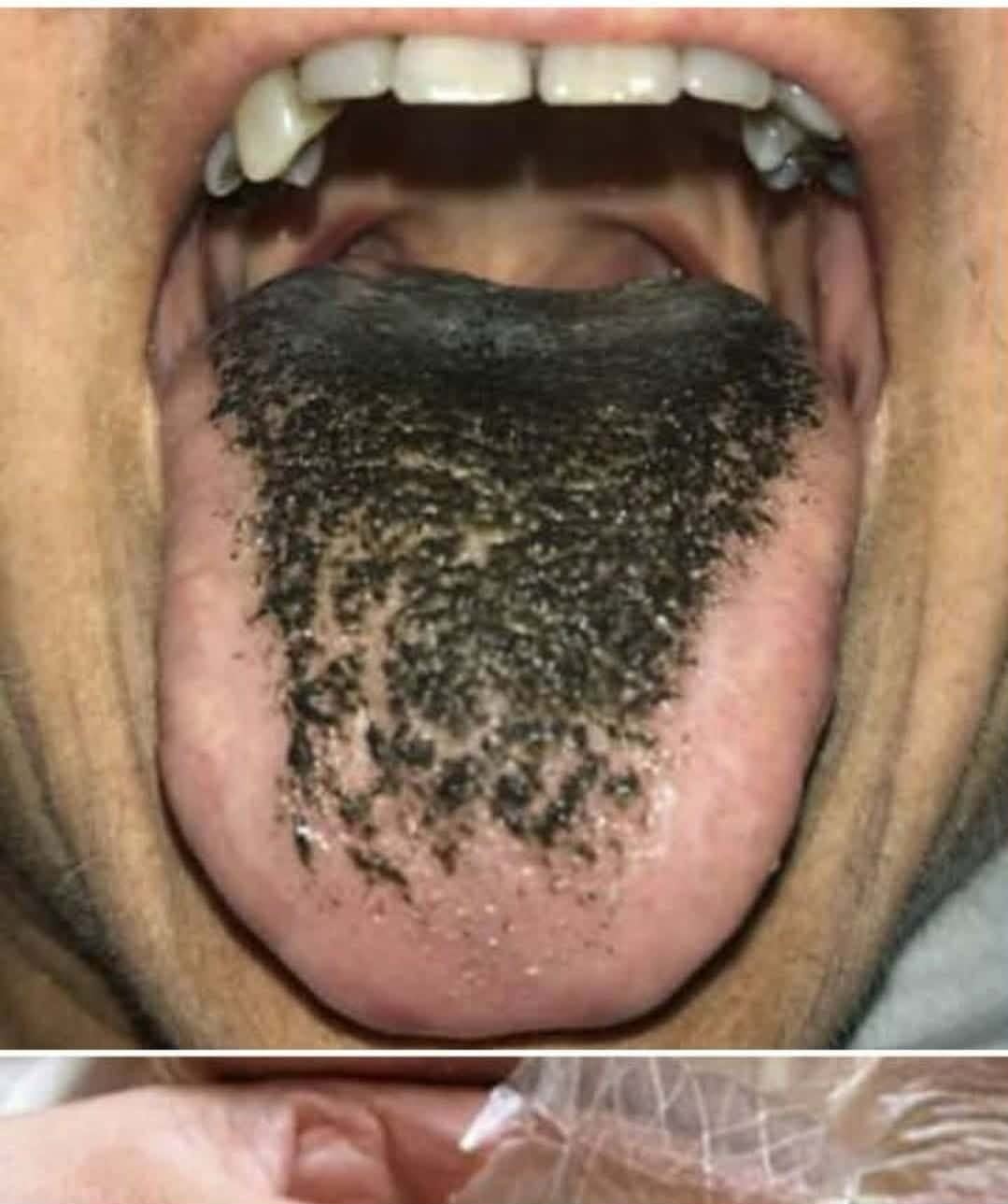
If you have ever looked in the mirror and been startled to find your tongue covered in a dark, fuzzy, or hair-like substance, you are likely experiencing a condition known as lingua villosa nigra, or more commonly, black hairy tongue. While the name and the visual appearance can be alarming, it is important to understand that this condition is rarely a sign of a serious underlying illness. It is a temporary, harmless oral condition that gives the tongue a dark, furry appearance.
The condition occurs due to a buildup of dead skin cells on the tiny projections on the surface of your tongue called papillae. Normally, these papillae shed regularly as you eat and brush your teeth. However, when they fail to shed, they can grow longer than usual, trapping bacteria, yeast, tobacco, food particles, and other debris. This accumulation is what creates the dark, hairy look that often causes significant anxiety for those who notice it for the first time.
Several factors can contribute to the development of black hairy tongue. Poor oral hygiene is a primary culprit, as a lack of regular brushing or tongue scraping allows for the accumulation of debris. Additionally, the use of certain medications, particularly antibiotics, can disrupt the natural balance of bacteria in your mouth, creating an environment where the papillae can overgrow. Other common triggers include heavy tobacco use, excessive consumption of coffee or tea, dehydration, and the use of mouthwashes containing oxidizing agents like peroxide.
Contrary to the sensationalist claims often found on social media, this condition is not a result of “sleeping with the wrong person” or any mysterious lifestyle choice. It is a physiological reaction to the environment within your mouth. Because it is essentially a buildup of debris, the most effective way to manage and resolve the condition is by improving your oral hygiene routine. This includes brushing your tongue gently twice a day with a soft-bristled toothbrush or using a dedicated tongue scraper to remove the accumulated debris.
In addition to physical cleaning, staying well-hydrated is essential. Drinking plenty of water helps wash away food particles and keeps the oral environment healthy. If you are a smoker, reducing or quitting tobacco use can significantly speed up the recovery process and prevent the condition from returning. If the discoloration is linked to a specific medication you are taking, consult your healthcare provider before making any changes to your prescription, but do not panic—the condition is almost always reversible.
While black hairy tongue is generally harmless, there are instances where you should seek professional advice. If the discoloration persists despite rigorous oral hygiene, or if you experience symptoms like pain, burning sensations, or if the appearance of your tongue changes drastically in a way that concerns you, it is wise to visit a dentist or a primary care physician. They can rule out other conditions, such as oral thrush or pigmentary changes related to systemic health, and provide peace of mind.
Ultimately, the “consequences” of this condition are purely aesthetic and temporary. By maintaining a consistent oral care routine and being mindful of habits that affect your mouth’s ecosystem, you can keep your tongue healthy and clean. There is no need for alarm; with a little patience and better hygiene, your tongue will return to its normal appearance in a short amount of time.