Understanding Vertical Nail Ridges: Causes and Concerns
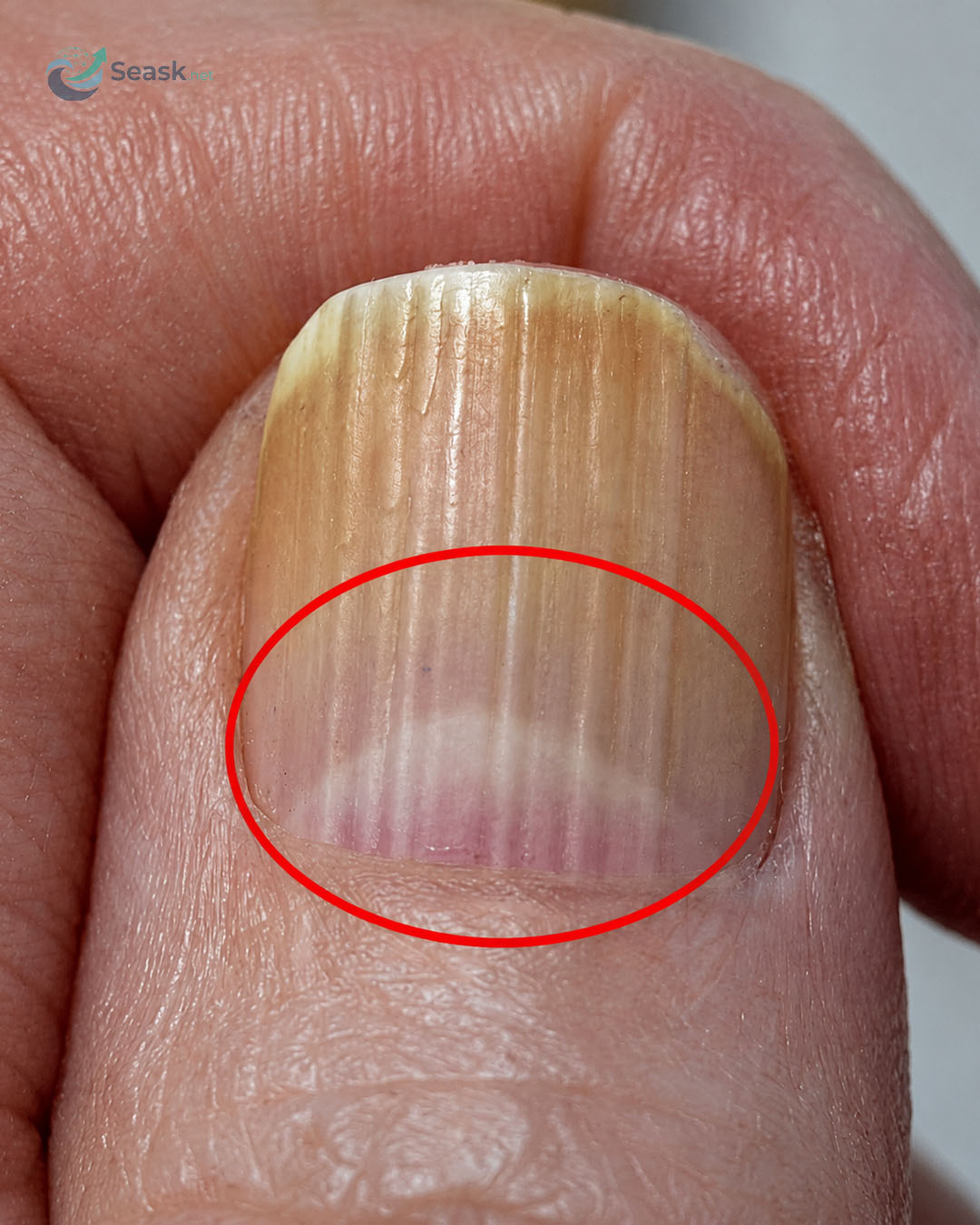
If you have ever examined your nails closely and noticed faint vertical lines running from the cuticle to the tip, you are definitely not alone. These lines, professionally known as longitudinal ridges, are a very common occurrence that most people begin to notice as they get older. While they can look concerning when you first spot them, they are usually a perfectly normal part of the aging process.
What Are Vertical Nail Ridges?
Vertical nail lines appear as raised ridges that travel the length of the nail. It is important to distinguish these from horizontal lines—also known as Beau’s lines—which can occasionally signal an underlying illness, injury, or severe medical issue. Vertical ridges are typically harmless and tend to become more prominent, especially once an individual reaches their 40s.
Why Do They Appear With Age?
As the body matures, it naturally produces fewer of the essential oils and proteins, such as keratin, required to maintain smooth and strong nail plates. This decline leads to thinner, drier nails that can easily develop visible textures or ridges. Additionally, circulation may slow slightly with age, which can affect the delivery of vital nutrients to the nail matrix—the specialized tissue located under the cuticle where new nail growth begins. This disruption in nutrient flow often results in the subtle development of vertical lines.
Are They Ever a Warning Sign?
In the vast majority of cases, these ridges are not a cause for alarm. However, there are specific situations where you should pay closer attention to your nail health:
– If the ridges suddenly become much deeper or change in appearance rapidly.
– If the lines are accompanied by unusual discoloration, such as dark streaks, spots, or bruised appearances.
– If your nails become exceptionally brittle, prone to splitting, or undergo a noticeable change in shape.
These changes can sometimes point toward nutritional deficiencies, chronic dehydration, or other underlying health concerns. If you notice any of these more significant shifts, it is always wise to consult with a healthcare professional to rule out any medical issues.
How to Care for Your Nails
Even though vertical ridges are a natural sign of aging, you can still take proactive steps to improve the appearance and health of your nails:
– Stay Hydrated: Maintaining proper fluid intake is crucial for keeping your nails hydrated and less prone to surface texture issues.
– Use Targeted Oils: Regularly applying cuticle oils, vitamin E, or nourishing nail creams can reduce dryness and help smooth the surface of the nail plate.
– Maintain a Balanced Diet: Ensure your intake includes biotin, iron, and zinc, all of which are essential nutrients that support the strength and growth of healthy nails.
– Limit Harsh Exposure: Reduce contact with aggressive chemicals found in some nail polish removers, harsh soaps, and industrial cleaning products, which can further strip moisture from the nails.
The Bottom Line
Vertical lines on your nails are typically the equivalent of developing "fine lines" on the skin—they are generally just a reflection of natural bodily changes rather than a serious health threat. With proper maintenance, hydration, and a healthy lifestyle, you can keep your nails looking strong and well-kept at any stage of life. If you are ever truly concerned about a change in your nail texture or color, the best course of action is always to seek advice from a medical professional for peace of mind.