The Healing Potential of Santa Lucía Herb: Beyond the Backyard Weed
The Hidden Power of Santa Lucía Herb: Understanding a Common Backyard Plant
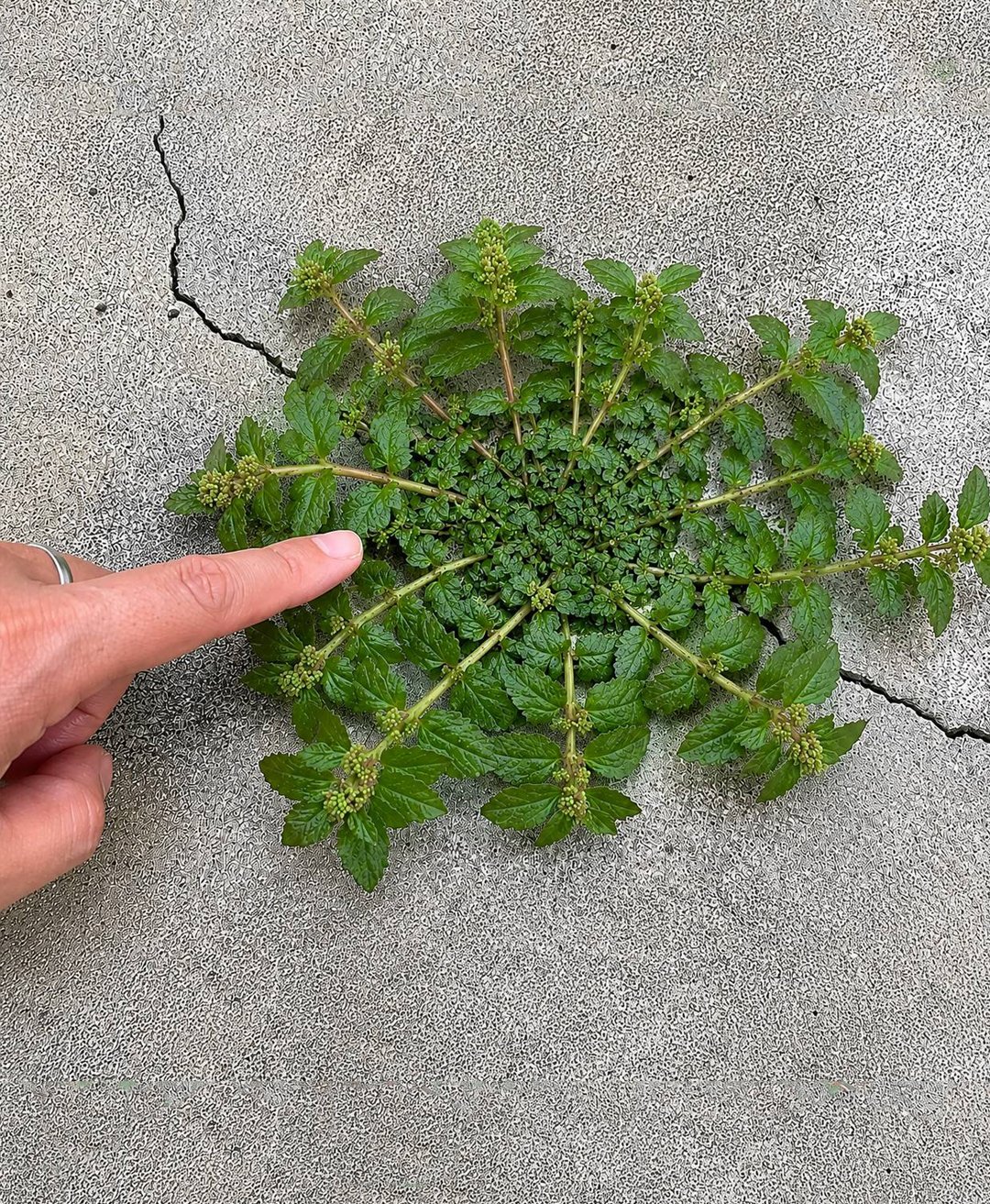
Many gardeners pull it from their flowerbeds or scrape it off their sidewalks, dismissing it as nothing more than an invasive weed. However, the plant commonly known as "Santa Lucía herb"—scientifically classified as Euphorbia hirta—has been a staple of traditional medicine for generations. Often referred to as the "asthma-plant," this humble, wild-growing herb is rich in natural properties that many cultures believe support both physical and mental well-being.
Identifying the Santa Lucía Herb
This plant is remarkably resilient, frequently found in yards, pots, damp soil, and sidewalk cracks. It is easily recognizable by its small green leaves and tiny clusters of flowers. A key identifier is the milky white sap that it secretes when the stem or leaves are cut. While often overlooked, this sap and the plant's various parts have been utilized across many regions for homemade remedies and natural preparations.
Traditional Uses and Potential Benefits
Euphorbia hirta is highly regarded in folk medicine for its anti-inflammatory, expectorant, digestive, and diuretic effects. Because of these qualities, it plays a versatile role in traditional wellness routines:
Digestive Support: Infusions made from the plant are commonly consumed after meals to alleviate stomach discomfort, heavy digestion, mild cramps, and bloating.
Respiratory Health: Due to its traditional use as an expectorant, many people turn to the plant to help find relief from coughs, colds, bronchitis, and general respiratory congestion.
Joint Pain and Inflammation: Some individuals incorporate the plant into herbal teas or natural poultices to manage symptoms associated with arthritis, osteoarthritis, muscle soreness, and joint inflammation.
Fluid Retention and Urinary Health: Often cited for its diuretic properties, the herb is used to help the body reduce swelling, promote fluid elimination, and support overall urinary function. Some traditional practices even associate it with helping those prone to kidney stones.
Blood Sugar Management: In specific regions, the herb is used as a natural supplement for those seeking to maintain healthy blood sugar levels, though practitioners always emphasize that this is a traditional practice and not a substitute for professional medical treatment.
Eye Discomfort: Traditionally, the plant has been suggested for easing mild eye irritation, fatigue, or blurred vision. However, it is vital to note that homemade remedies should never be applied directly to the eyes without specific, qualified medical guidance.
A Call for Caution
While the Santa Lucía herb is valued for its mineral content and potential health-supporting properties, it is essential to approach herbal remedies with caution. Natural does not always mean risk-free. Anyone interested in using Euphorbia hirta for medicinal purposes should remember that it is not a replacement for prescribed treatments or formal medical advice. Always consult with a healthcare professional before adding new herbal preparations to your wellness routine, particularly regarding any direct applications or internal consumption.