When a Simple Stretch Goes Wrong: Understanding Muscle Ruptures and Body Signals
We often think of our bodies as resilient machines, capable of handling daily movements without a second thought. However, there are moments when a routine action—like reaching for a high shelf or stretching after a long period of inactivity—can result in a sudden, sharp pain that stops us in our tracks. While most minor aches are harmless, certain physical reactions, such as a visible deformity or a ‘popping’ sensation in a muscle, require immediate attention.
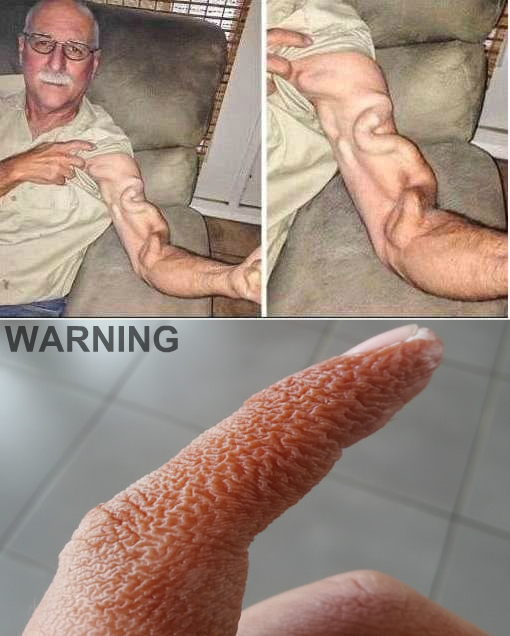
The scenario of a man feeling a sharp pain while stretching and noticing a dramatic change in his arm is a classic example of a distal biceps tendon rupture. This injury occurs when the tendon that attaches the biceps muscle to the forearm bone tears away. It is often accompanied by a distinct ‘pop’ and can result in what is commonly referred to as a ‘Popeye deformity,’ where the muscle belly bunches up toward the shoulder, leaving a noticeable gap or indentation near the elbow.
It is important to understand that not every sharp pain is a medical emergency, but sudden structural changes in the body are significant. When a muscle or tendon fails, the body is sending a clear signal that its integrity has been compromised. Ignoring these signs in hopes that they will simply ‘heal on their own’ can lead to long-term weakness, loss of range of motion, and chronic discomfort that is much harder to treat later.
Why do these injuries happen during seemingly simple movements? Often, the tissue has been undergoing micro-trauma over time, or the muscle was placed under sudden, unexpected tension while in a vulnerable position. As we age, tendons can lose some of their elasticity, making them more susceptible to tearing under stress. This is why maintaining flexibility and gradual conditioning is vital, rather than jumping into intense physical activity without proper preparation.
The key to managing these situations is knowing when to seek professional help. If you experience a sudden sharp pain followed by bruising, swelling, or a visible change in the shape of your limb, you should consult a healthcare professional. Attempting to ‘work through’ the pain or massaging the area can often exacerbate the injury, leading to further internal damage or inflammation.
Furthermore, it is dangerous to rely on internet self-diagnosis for physical deformities. While images of muscle ruptures might look alarming, they are specific medical conditions that require physical examination, imaging tests like an MRI, and potentially surgical intervention to restore full function. A medical professional can assess the severity of the tear and determine whether physical therapy or surgery is the best path forward for your specific lifestyle and health needs.
Ultimately, your body is your most valuable tool. When it signals distress through sharp, localized pain or visible structural changes, listen to it. Taking the time to address these issues promptly is not an act of alarmism; it is an act of proactive health management. By seeking expert advice early, you ensure that a minor accident doesn’t turn into a permanent limitation, allowing you to get back to your daily life with confidence and strength.