The Mystery of the Iron Cages: Why Were These Grave Protectors Built?
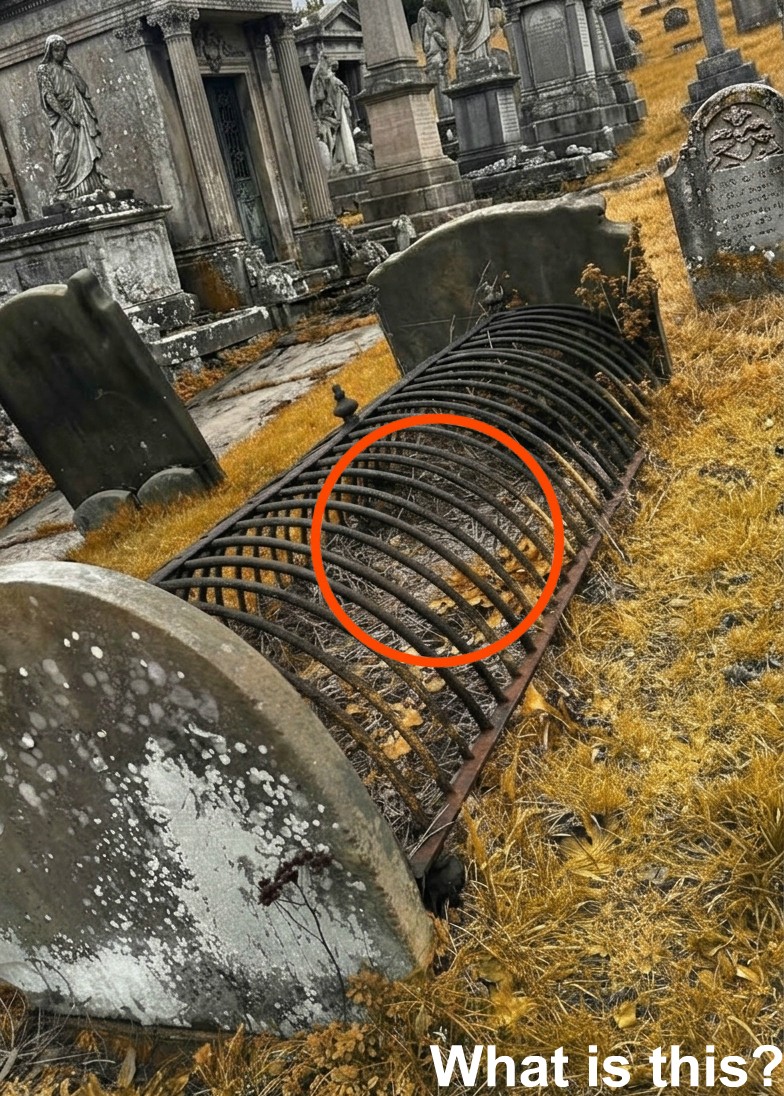
If you have ever wandered through an old, historic cemetery, you might have stumbled upon a sight that feels somewhat unsettling: a grave covered by a massive, rusted iron cage. To the modern observer, these structures look like something out of a horror movie or an elaborate prison designed to keep the occupant from rising. However, the true history behind these iron installations—known as mortsafes—is far more grounded in the grim realities of the 18th and 19th centuries.
These protective cages were not meant to keep anyone in; they were built to keep the living out. During the early 1800s, medical science was advancing rapidly in places like Great Britain and the United States. Universities and private anatomy schools had a growing demand for cadavers for dissection and research. Because the legal supply of bodies—typically those of executed criminals—was insufficient to meet the demand of the burgeoning medical field, a dark and lucrative trade emerged: body snatching.
Body snatchers, or “resurrection men,” would target fresh graves, dig down to the coffin, pry it open, and remove the body to sell it to surgeons and professors. This practice caused widespread panic, grief, and outrage in communities. Families were terrified that their loved ones would not be allowed to rest in peace, prompting them to take proactive measures to secure funeral sites.
The mortsafe was the ultimate solution to this grisly problem. These iron structures were essentially heavy-duty cages or frames installed over the coffin or the entire grave itself. They were incredibly difficult to cut through or lift, making the work of a body snatcher nearly impossible without making a significant amount of noise and taking far too much time. Some were simple iron bars, while others were complex, locking iron boxes that were bolted deep into the earth or set in heavy slabs of stone.
As you encounter these structures today, it is important to remember what they represent. They are not symbols of malice or superstition, but rather monuments to the deep love and protective instincts of grieving families. For many families, the exorbitant cost of a mortsafe was a final, desperate sacrifice to ensure their loved ones remained undisturbed.
The era of the body snatching trade eventually came to an end in the mid-19th century, largely due to the passage of laws like the Anatomy Act of 1832 in the UK, which provided medical schools with a more legitimate and regulated source of cadavers. As the threat of the resurrection men faded, so too did the necessity for these iron cages. Many were removed and sold for scrap metal during wartime, which is why encountering a surviving example in a cemetery today is considered a rare find.
Next time you see a metal cage covering a plot in your local cemetery, you are looking at a unique piece of social history. It serves as a reminder of a time when the fear of the “resurrection men” was so prevalent that it physically altered the landscape of our burial grounds, leaving behind these strange, lasting architectural echoes of the past.