Understanding Vertical Nail Ridges: When to Worry and When It’s Just Aging
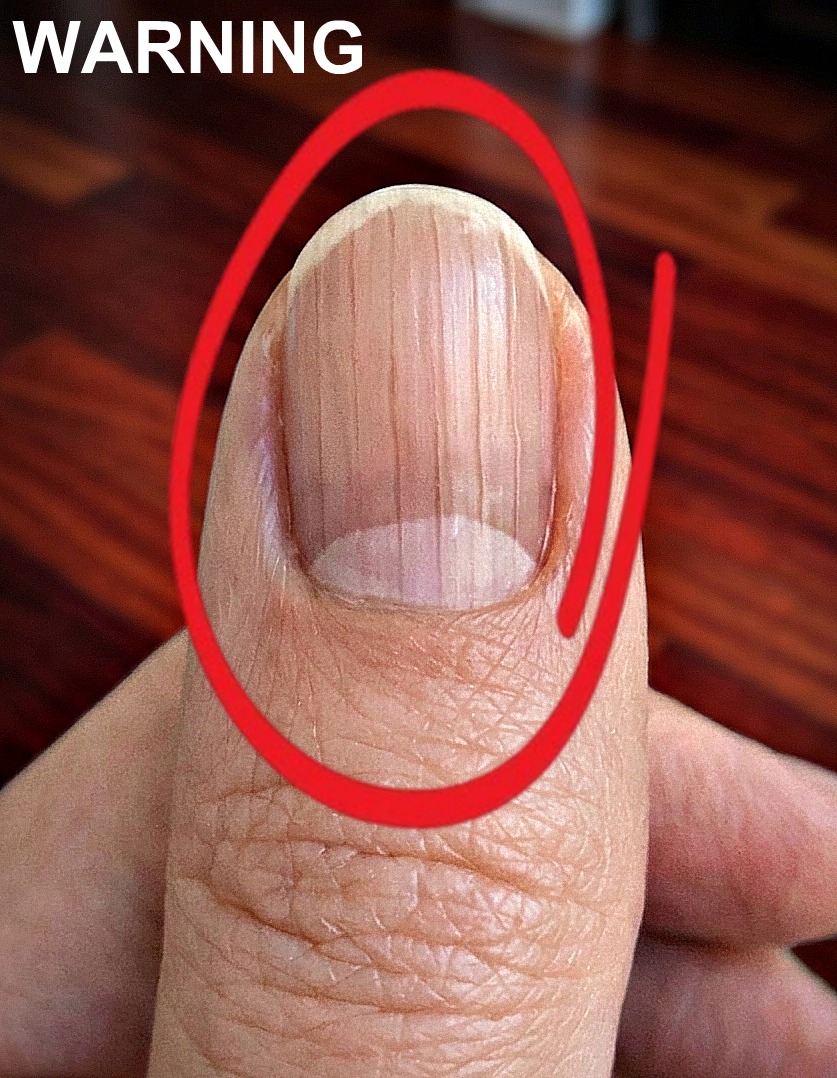
Have you ever looked closely at your fingernails and noticed subtle, vertical lines running from the cuticle to the tip? Often called longitudinal ridging, this common physical trait frequently sparks concern, leading many to search for quick answers online. While it is easy to jump to the conclusion that these lines signal a serious health complication, the truth is most often far more mundane and benign.
In the vast majority of cases, vertical nail ridges are a natural byproduct of the aging process. Just as our skin loses elasticity and develops fine lines over time, our nails experience a similar shift. As we age, the cell turnover in the nail matrix slows down, leading to the uneven growth of the nail plate. These ridges are simply the physical manifestation of changes in the nail bed’s structure, and they usually appear in people as they enter their middle years or beyond.
However, while they are often a harmless sign of time passing, it is essential to distinguish between normal age-related changes and signs that may warrant a conversation with a healthcare professional. Not all nail changes are created equal. For instance, while consistent, uniform vertical ridges are typically benign, sporadic or sudden changes in the texture, color, or shape of your nails can sometimes be an indicator of nutritional deficiencies or systemic health issues.
Specifically, if you notice that the ridges are accompanied by brittle, splitting nails, it might be worth evaluating your diet. Deficiencies in vitamins, particularly iron, B12, or even a lack of proper hydration, can manifest in the quality of your nail growth. Similarly, if the ridges become exceptionally deep, or if the nail itself begins to separate from the nail bed, it is no longer just a cosmetic issue of aging and should be evaluated by a dermatologist.
Another important factor is distinguishing between vertical lines and horizontal ones. Vertical ridges, as noted, are almost always benign. Conversely, deep horizontal grooves—known as Beau’s lines—can indicate a temporary interruption in nail growth often caused by significant systemic illness, high fevers, or severe physical stress. If you see horizontal indentations rather than vertical lines, this is a distinct signal that your body has undergone a period of intense trauma or recovery that may be worth noting.
Ultimately, the best approach is to observe your nails as part of your overall body monitoring. If your nails have had these lines for years and they remain stable, they are likely just a testament to the natural aging process. You can support nail health by maintaining a balanced diet, staying hydrated, and using gentle, non-aggressive hand care products. Avoid over-buffing your nails to ‘smooth out’ the ridges, as this can thin the nail plate and lead to more peeling and brittleness.
While the internet is full of alarming headlines suggesting systemic disease, keep in mind that a healthy dose of perspective is vital. If you notice a sudden, dramatic change, a dark streak, or a physical alteration that does not follow your normal pattern, reaching out to a medical professional is the only way to get a definitive, personalized assessment. In the meantime, if your hands look much as they always have, you can likely rest easy knowing that these lines are simply part of the unique map of your journey through life.