What Your Fingernail Lines Reveal About Your Health
Your fingernails can reveal a surprising amount about your overall health. If you have ever looked down and noticed lines or ridges running across or along your nails, you might have wondered what they mean. While an old wives’ tale often claims that lines on the nails signal a calcium deficiency, the truth is far more nuanced, and in some cases, these subtle marks can be an early warning sign of something more serious. Understanding the difference between harmless ridges and those that warrant a doctor’s visit can help you take better care of your body.
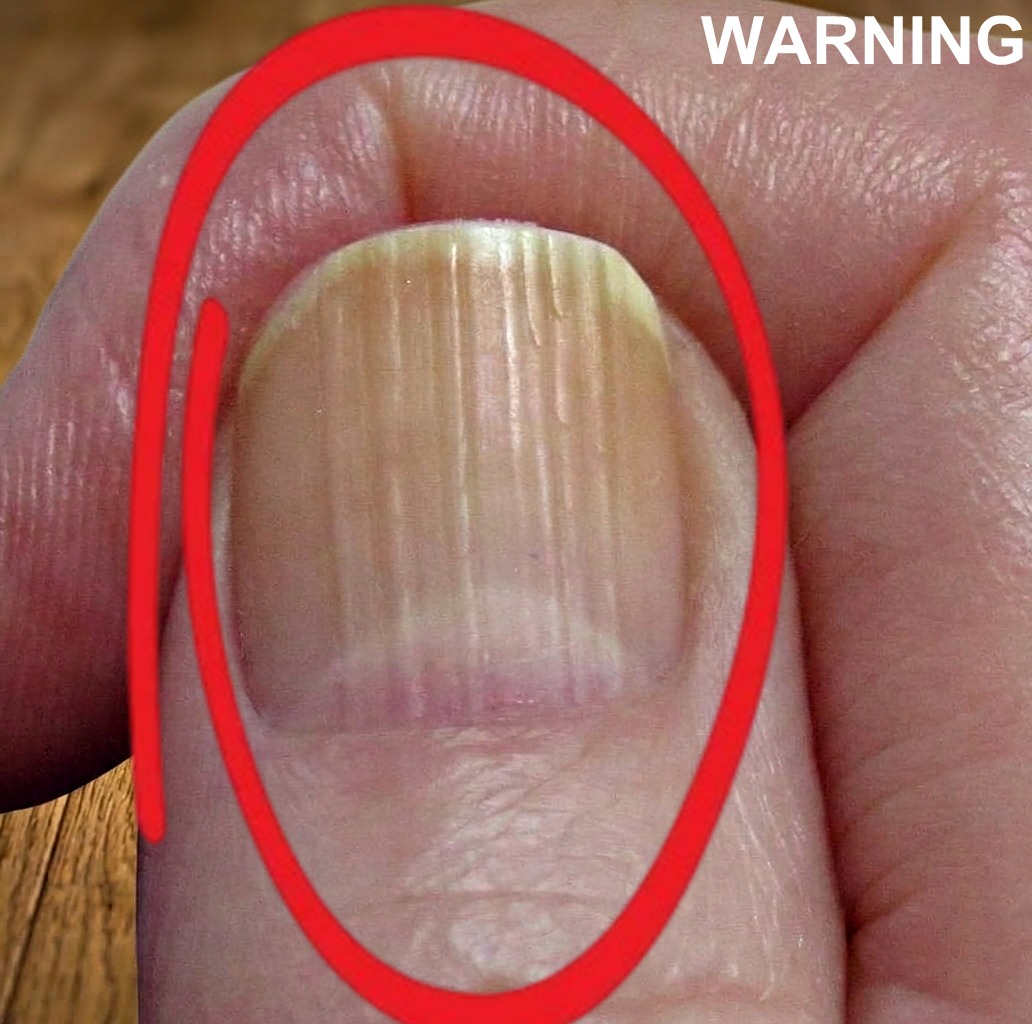
Vertical lines, or longitudinal ridges, are incredibly common and usually nothing to worry about. These ridges run from the cuticle to the tip of the nail and tend to become more pronounced as you age, much like wrinkles on the skin. They reflect natural changes in the nail’s protein structure, specifically keratin, and can be influenced by minor trauma, frequent hand washing, or prolonged exposure to water and chemicals. In a healthy adult, fine vertical ridges are simply a cosmetic feature and are not a sign of any underlying nutrient problem.
The real concern often lies in horizontal lines, medically known as Beau’s lines. These are deep grooves that run from side to side across the nail and can indicate that the nail growth was temporarily interrupted. Beau’s lines can appear after a severe illness, a high fever, a major surgery, or even a period of extreme psychological stress. They are also linked to certain conditions like uncontrolled diabetes, peripheral vascular disease, or a zinc deficiency. If you notice a sudden indentation across multiple nails, it is your body’s way of showing that it paused non-essential functions to cope with a significant internal event. In rare cases, a single horizontal ridge can be a sign of a previous injury to the nail matrix, but when present on all fingernails and toenails at the same time, a systemic cause is far more likely.
Another signal to watch for is the appearance of splinter hemorrhages, which look like tiny, thin, reddish-brown lines under the nail plate. These are essentially small blood clots and can result from trauma, but when they show up without any injury, they could be associated with bacterial endocarditis, an infection of the heart valves, or vasculitis. Likewise, a dark vertical stripe running up the nail requires urgent attention. While most pigmented bands are benign melanonychia common in people with darker skin tones, a new or changing dark streak should be evaluated by a dermatologist to rule out subungual melanoma, a form of skin cancer.
Nutritional imbalances can indeed play a role in nail texture, though the classic myth about calcium misses the mark. What many people interpret as a calcium shortage is more reliably linked to low iron levels or a protein deficiency. Brittle nails with a scooped-out, spoon-like shape called koilonychia can point to iron-deficiency anemia. A diet lacking in biotin, a B vitamin, may lead to brittleness and splitting, while insufficient protein can make nails weak and slow to grow. However, isolated ridges without other symptoms are rarely fixed by loading up on supplements; instead, they are usually a reflection of your internal timeline or a temporary setback your body has already overcome.
Caring for your nails starts with gentle habits. Keep them moisturized with a good hand cream and cuticle oil to minimize the appearance of vertical ridges. Avoid aggressive buffing, which thins the nail plate and can make them more fragile. Protect your hands from prolonged wetness and harsh detergents by wearing gloves. If ridges appear suddenly, are deep, or are accompanied by discoloration, crumbling, or pain, do not ignore them. Take a moment to consider any recent health events, and book an appointment with your healthcare provider. In many cases, the nail lines will grow out naturally once the underlying issue resolves, leaving behind a clear record of your body’s resilience. Your nails are more than a canvas for polish; they are a living history of your health, recording everything from a common cold to a vital nutritional gap, right at your fingertips.