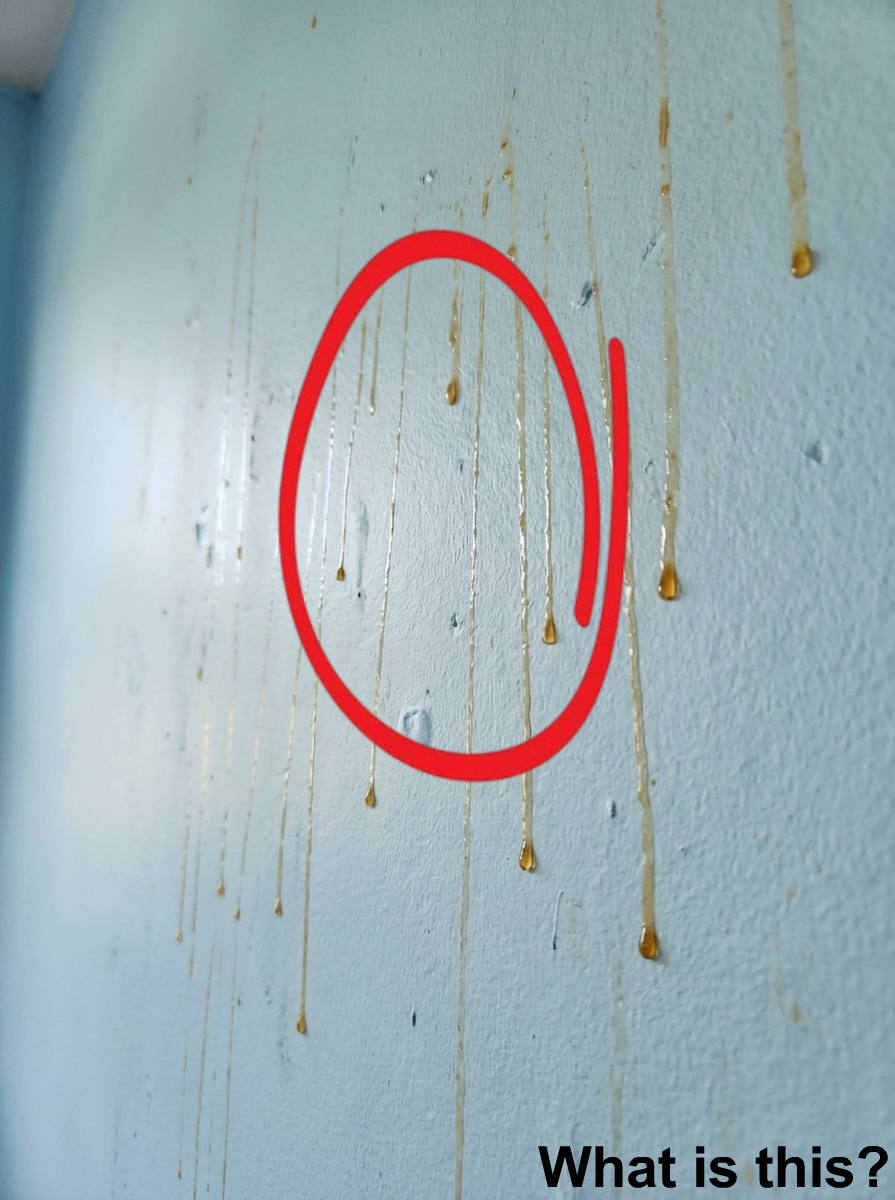
The Mystery of the Weeping Yellow Walls
After my last tenant moved out, I walked through the rental unit and immediately noticed something unsettling. A thick, yellow substance was slowly weeping down the walls in several rooms. It looked almost like syrup or old nicotine, but the catch was that the tenant had never smoked. I grabbed cleaning supplies and scrubbed at the residue, but it simply would not come off. It kept oozing back, leaving streaks that refused to wash away. Frustrated and confused, I turned to online communities for insight, and the explanation, once revealed, completely changed how I would handle property maintenance going forward.
The mystery of the yellow weep was finally solved by a community of experienced landlords, painters, and chemical engineers who recognized the pattern immediately. What I was seeing was not mold, not nicotine, and not some sort of supernatural oozing. It was a chemical reaction known as plasticizer migration. Many modern rental units are finished with vinyl-based wall coverings or budget-friendly latex paints that contain plasticizers to keep the coating flexible and durable. Over time, especially in older units or those with fluctuating temperatures, these plasticizers can break down and rise to the surface. When mixed with airborne dust, cooking oils, or humidity, they create a sticky, yellow film that appears to ooze from the walls.
The fact that the tenant did not smoke was actually the key clue. In most cases, yellow wall staining is immediately blamed on tobacco residue, which contains tar and nicotine that permanently discolor surfaces and resist standard cleaning. Non-smoking units, however, rarely develop that kind of stubborn yellowing unless there is a chemical or environmental cause. In this instance, the combination of aging paint chemistry, poor ventilation, and normal household moisture created the perfect conditions for the plasticizers to seep out. The substance is notoriously difficult to remove with regular household cleaners because it is not sitting on top of the paint; it is literally migrating from within the coating itself.
Once I understood what was happening, the fix became clear. Scrubbing only spread the residue and activated more of the weeping. Instead, proper preparation required a complete wash with a trisodium phosphate solution to strip the surface, followed by sealing the walls with a high-quality stain-blocking primer. Only after the primer had fully cured could a fresh coat of paint be applied without risking another yellow outbreak. The process was more involved than a quick wipe-down, but it finally stopped the weeping and restored the walls to their original condition.
This unexpected discovery turned a frustrating turnover into a valuable lesson in property chemistry. Landlords and homeowners often assume yellow stains are purely cosmetic or directly tied to tenant habits, but the reality is that building materials interact with their environment in complex ways. Temperature swings, humidity levels, and the chemical composition of finishes all play a role in how walls age. Recognizing the difference between surface dirt, mold growth, and chemical migration can save countless hours of scrubbing and prevent costly trial-and-error repairs.
For anyone facing a similar mystery in their own home or rental, the first step is to look beyond tobacco and mold. Consider the age of the finishes, the ventilation in the space, and the cleaning products being used. When a yellow residue refuses to wash away, it is likely bonded at a chemical level and requires stripping, sealing, and repainting rather than repeated cleaning attempts. Armed with the right knowledge, what once seemed like an unsolvable problem becomes a straightforward maintenance task. The walls are finally calm, the unit is ready for new occupants, and the next turnover will be handled with a much sharper eye for the invisible chemistry of home upkeep.