Dead Man’s Fingers: The Eerie but Beneficial Fungus in Your Mulch
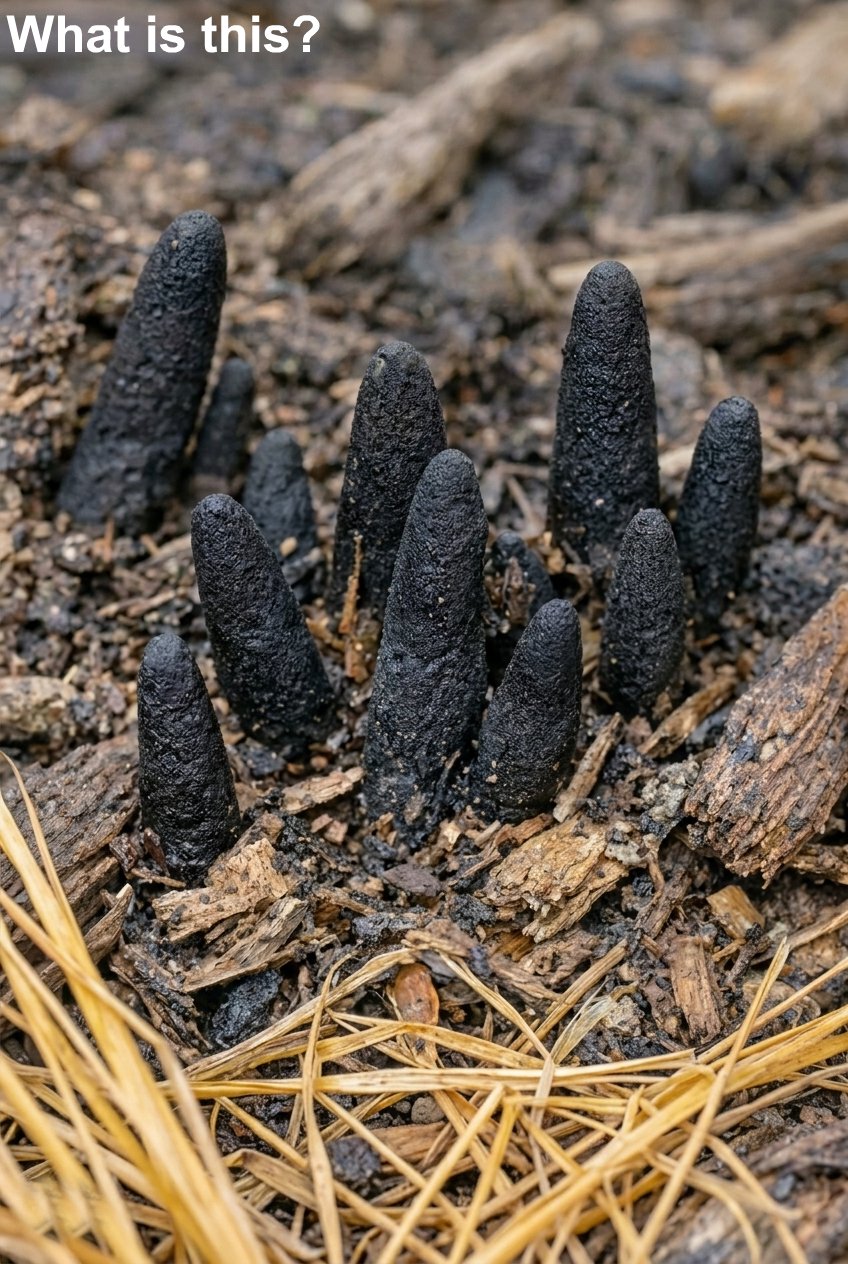
A few days ago, amid the familiar rhythm of yard work, something unusual caught my eye. Pushing through a thick layer of wood mulch were several dark, elongated shapes that looked unmistakably like fingers. They were rigid, jet-black, and carried an unsettling presence that instantly brought the garden to a halt. Hard and creepy, they seemed to defy the usual soft sprawl of plant life and moss. Naturally, the question arose: what exactly was growing there?
The answer turns out to be one of nature's most striking yet misunderstood wonders. Those eerie, finger-like protrusions are the fruiting bodies of a saprophytic fungus known as Xylaria polymorpha. Commonly referred to as Dead Man's Fingers, this fascinating organism is rarely a cause for alarm and far more common in temperate backyards than most people realize.
The fungus earns its dramatic nickname from its striking physical appearance. The fruiting bodies typically measure anywhere from two to six inches in length, though they can occasionally grow longer. They emerge vertically from decaying hardwood mulch, buried wood chips, or the roots of dead or dying trees. When young, they may appear pale or grayish before maturing into their signature deep black or dark charcoal hue. The surface is often slightly wrinkled or textured, giving them a leathery, almost sculpted look. Unlike delicate mushrooms that wilt in the rain, these structures are firm and remarkably resilient, which explains why they felt so hard and unyielding to the touch.
Their presence in a garden or landscape bed is actually a sign of healthy decomposition. Xylaria polymorpha thrives on dead or decaying woody material. It works silently beneath the surface, breaking down lignin and cellulose in old tree roots, branches, or mulch that has yet to fully decompose. As the fungus consumes the dead wood, it channels nutrients back into the soil, enriching the ground for surrounding plants. In essence, those spooky-looking fingers are nature's recycling crew, doing quiet but essential work.
For homeowners who stumble upon them, the initial reaction is often one of unease. The resemblance to human digits is uncanny, and their stark black color against light-colored mulch only amplifies the creep factor. However, they pose no threat to living plants, pets, or people. They are not parasitic, meaning they do not attack healthy trees or gardens. They are strictly saprophytic, feeding only on dead organic matter. While they are technically non-toxic to touch, they are not considered edible and should be left alone simply because of their strange flavor and tough texture.
If you encounter them in your own yard, there is no need for pesticides or aggressive removal. They will naturally wither and decompose once they have released their spores and exhausted their food source. Lightly raking the mulch or allowing natural rainfall to weather them down will gradually make them disappear. Some gardeners even choose to leave them be, appreciating the brief but fascinating glimpse into the hidden life of the soil.
What began as a startling discovery in the backyard ultimately reveals a quiet truth about the natural world. The garden is not just a collection of flowers and grass; it is a living ecosystem where decomposition and renewal happen side by side. Those black, finger-like structures are not intruders or omens. They are a visible reminder that even the decay we tidy away with mulch continues to serve a purpose long after the wood has fallen. Next time the soil yields something strange and dark, it might be worth pausing to admire the hidden craftsmanship of the forest, right beneath our feet.