The Silent Language of Anatomy
Legs reveal far more about an individual than is often realized. Beyond their primary function of mobility, the way a person stands or moves communicates subtle details about their confidence, lifestyle, and sense of self. Without a single word, the posture and gait of a person tell a silent story of how they carry themselves through the world, shaping the impressions they leave on others.
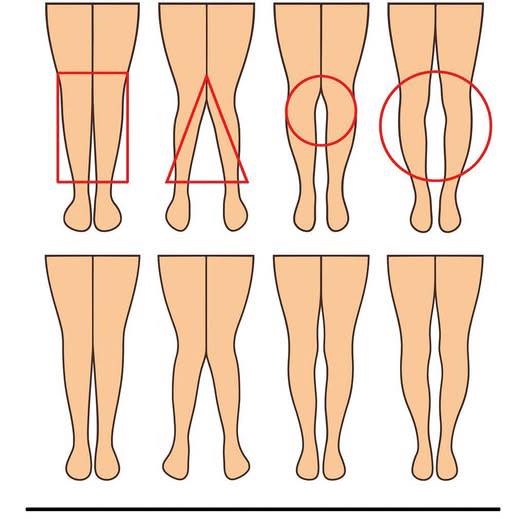
From an anatomical perspective, legs are defined by a combination of genetics, bone structure, and muscle placement. These biological factors determine natural variations, such as how the knees, thighs, and ankles align. Straight, parallel legs are frequently associated with a look of balance, while legs that angle inward or possess a subtle curve are simply the result of natural joint spacing and skeletal architecture. Similarly, the presence or absence of a thigh gap is largely dictated by pelvic width rather than being a true indicator of fitness, health, or traditional beauty standards.
These structural nuances influence how a person distributes their weight and interacts with their environment. While rigorous physical activities like running, yoga, or cycling can certainly enhance muscle tone and strength, they do not fundamentally alter bone structure. Instead, these activities reflect the diverse ways individuals choose to use their bodies.
In the realm of fashion, understanding one’s natural leg shape can be a tool for personal expression and comfort. Whether opting for wide-leg trousers, skirts, or more tailored silhouettes, choosing clothing that aligns with one’s natural anatomy allows for a more authentic projection of personality and style. By working with the body rather than against it, fashion becomes a way to highlight unique lines and movement.
While there are lighthearted, anecdotal interpretations that link specific leg shapes to personality traits—such as suggesting that aligned legs indicate confidence or that curved legs reflect agility—these ideas are ultimately playful observations. They highlight the interesting connection between body mechanics and human expression but should not be taken as rigid rules.
Crucially, legs should never be viewed as a metric of personal worth or beauty. They are diverse, functional, and uniquely adapted to the needs of the individual. Shifting the focus away from superficial societal ideals toward an appreciation for personal comfort and physical resilience allows for a healthier perspective on the human form.
Ultimately, legs serve as a quiet reflection of individuality. As they carry us through our daily lives, they showcase the incredible diversity of the human body. By valuing natural shapes, we celebrate posture, function, and the distinct resilience of every individual journey, recognizing that every pair of legs tells its own unique story of balance and movement.