The Resilient Spirit of Patrick Swayze
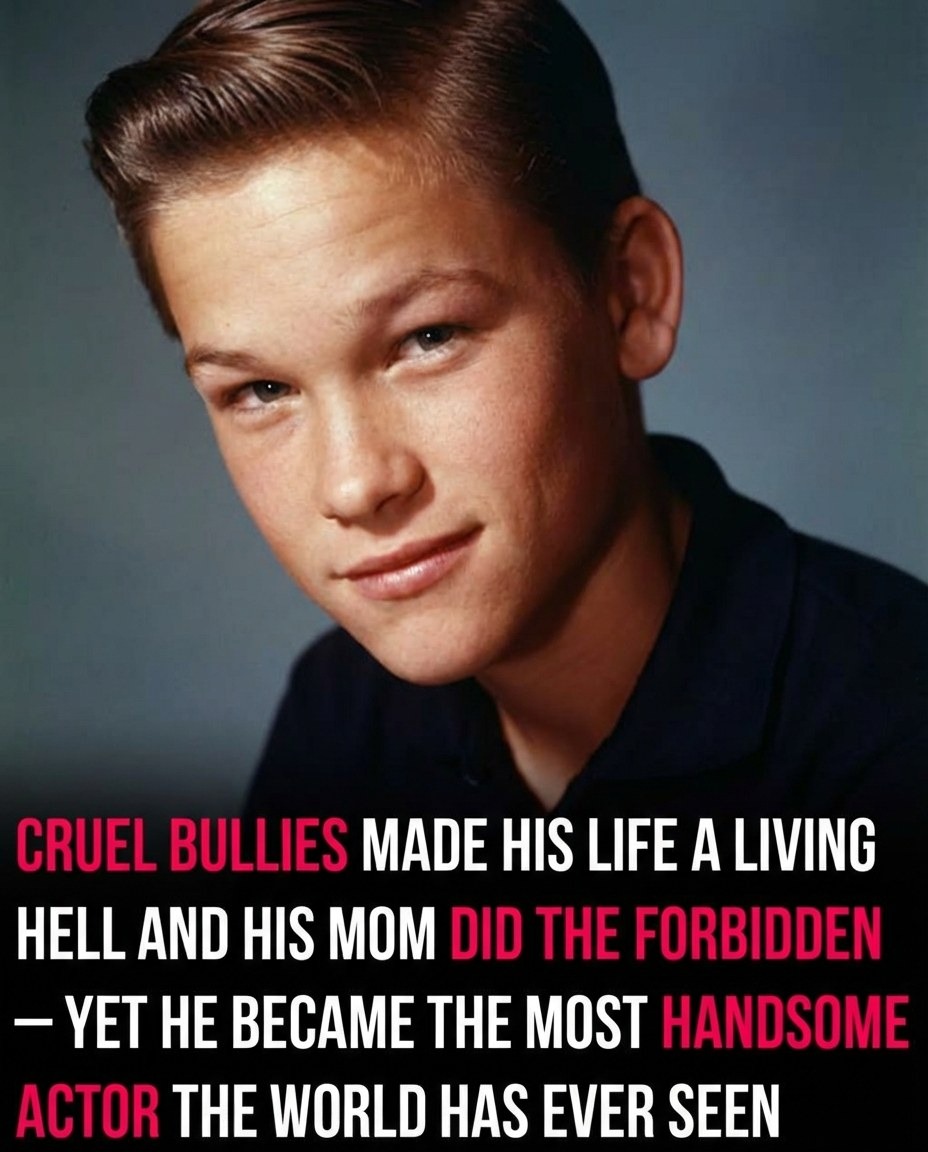
Born in 1952, Patrick Swayze was a man who seemed destined to be broken by the world, yet he rose to become an enduring Hollywood icon. Long before he was a face on movie posters, he was a young boy in Houston, Texas, who faced vicious bullying for his love of ballet. His peers mocked him and often pelted him with physical abuse, but Swayze refused to let their cruelty dictate his path. He viewed movement as a sanctuary and transformed the ridicule of others into a source of personal power.
His journey was marked by profound loss and constant transition. When a severe knee injury ended his dreams of a football career, he did not surrender to despair. Instead, he pivoted toward the demanding world of professional dance. He traded Texas fields for the studios of New York, working with a relentless intensity that built the foundation for his future stardom. He learned early on how to translate his internal grief and vulnerability into artistic expression, creating a screen presence that felt both dangerous and deeply sensitive.
When international fame arrived through cinematic landmarks like Dirty Dancing and Ghost, it did not provide an escape from his internal struggles. Rather, the glare of the spotlight highlighted the shadows he had been outrunning since childhood. Swayze grappled with the pain of losing family members and fought a lifelong battle against alcoholism. The pressures of celebrity frequently dragged him toward self-destruction, yet he consistently fought his way back.
Throughout his triumphs and his darkest chapters, his marriage to Lisa Niemi served as his constant anchor. She was a partner who knew him long before the world defined his image, and she stayed by his side through the public headlines and private cycles of relapse. Even when a terminal illness began to strip away his physical strength, it could not extinguish his resolve. Patrick Swayze’s true legacy is not simply found in his most iconic performances, but in his stubborn, quiet decision to keep moving forward. He lived a life that was profoundly battered, painfully human, and entirely honest, using his own scars to create art that made millions of people around the world feel a little less alone.