The Origins and Nature of Pensacola Bay Mudballs
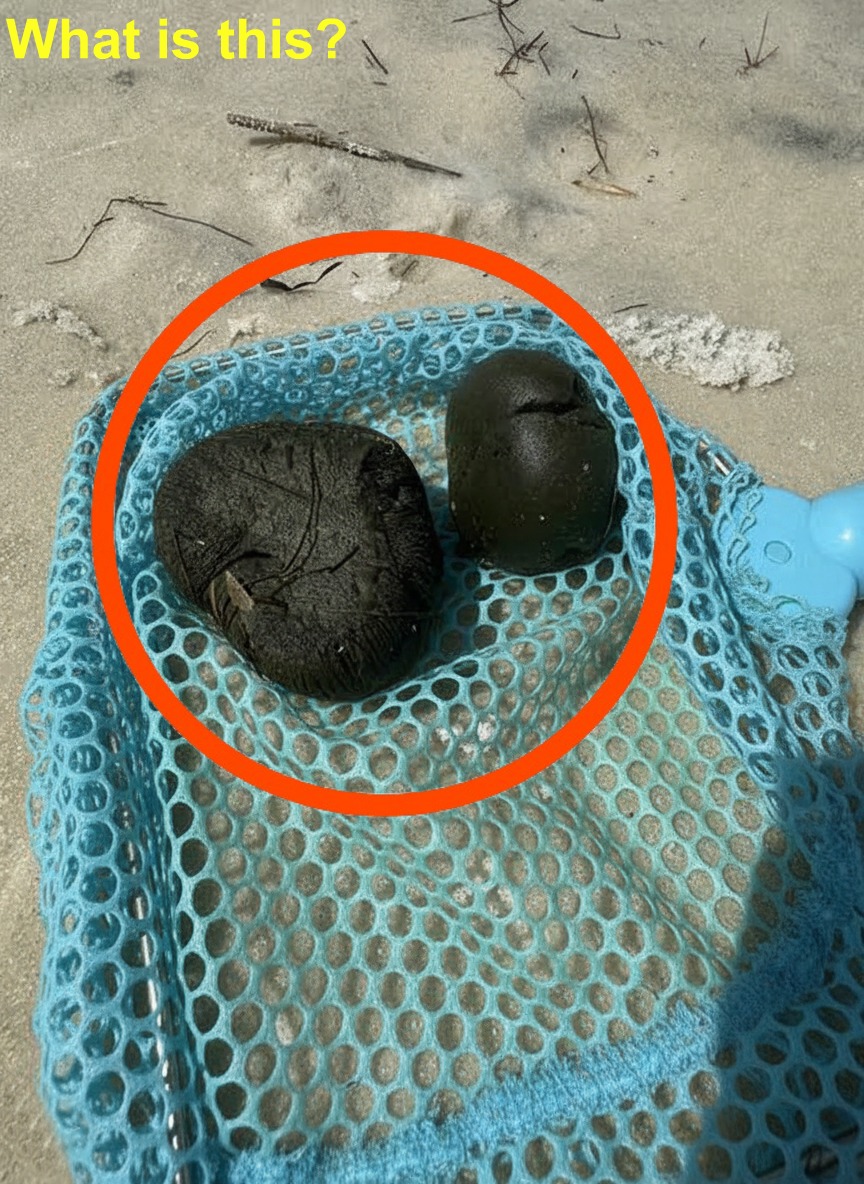
If you have spent any time in the Pensacola Bay area with children, you have likely heard the inevitable giggles and proud declarations concerning a discovery of what the kids affectionately call sea blobs. While the name often makes adults chuckle, these strange little orbs are far more natural and less mysterious than their humorous nickname suggests. More often than not, those little hands are holding simple mudballs.
These objects appear in the area due to the unique nature of the tides and the seafloor beneath the bay. Along the Pensacola bayside, particularly near sandy banks and grassy marshes, mudballs are quite common. They blend seamlessly with the shoreline, waiting to be discovered. Despite their nickname, they are not manmade, nor are they waste from marine animals. They are essentially nature’s stress balls, entirely harmless and quite fascinating.
The process behind their formation is a natural geological phenomenon. Underwater mud banks consist of soft, clay-like sediment. Over time, smaller pieces break away due to water currents, wave action, or even human footsteps. Once separated, the currents take over, rolling and tumbling the mud, sculpting it with sand and water until it becomes a smooth, round ball. This process is strikingly similar to how sea glass or river stones become polished over time. The result is a compact, pliable mass that is perfect for rolling, holding, and displaying as a beach treasure.
The sediment in Pensacola Bay is typically dark and rich in organic material, which gives these mudballs a deep greenish or nearly black hue. While the appearance might lead some to wonder if they are something synthetic, like tar, they are generally smell-free and completely natural. As a general rule of safety, if you ever encounter a ball that emits a strange odor, leaves an unusual residue, or feels excessively sticky, it is best to leave it behind and wash your hands. Under typical conditions, however, they are perfectly safe to handle and explore.
For generations of Gulf Coast children, collecting these mudballs has become a quirky rite of passage. These odd finds often spark an early curiosity about tides, geology, and the mechanics of the underwater world. Next time a child runs up with a mysterious dark orb in their palm, you can safely identify it as a Pensacola Bay mudball and perhaps even join in the search for more. Childhood beach day treasures, whether they are sand dollars, unique shells, or squishy green mudballs, create lasting memories. They may never end up in a museum display, but they find a permanent place in family stories, capturing the very essence of a coastal childhood.