A Legacy of Resilience Across Generations
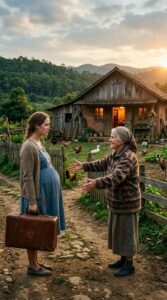
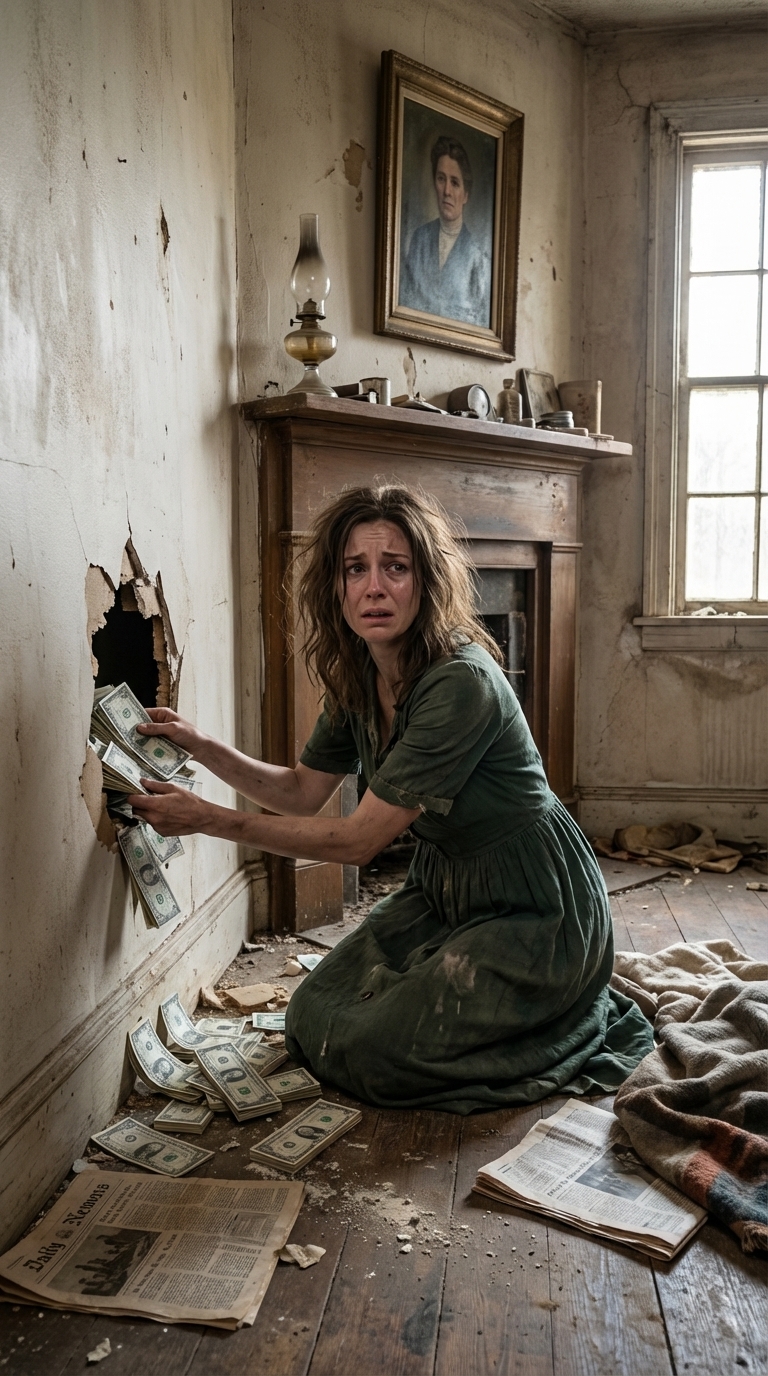
Esperanza stood in the quiet, dusty silence of the old mountain house, the weight of the heavy box resting in her lap. Her hands trembled as she clutched the bundle she had unearthed from the crumbling adobe wall. It was a fortune that defied logic, a collection of gold coins, shimmering silver, and precious jewels that had remained hidden for nearly a century. With a deep breath and a prayer, she unfolded the brittle, yellowed paper tucked inside the box to read the letter that had been waiting beside the treasure for all these years.
The letter was written in the shaky but elegant hand of a woman named Clara, who had lived in the house long before it fell into ruin. The words told a poignant story of sacrifice and foresight. Clara explained that she had been a widow, much like Esperanza, left with nothing but a child to protect during a time of immense conflict and instability. Anticipating that she might one day lose her home or succumb to the hardships of the era, Clara had hidden her few remaining assets behind the wall. More importantly, the letter included a specific instruction. Clara wrote that the treasure was not meant to be a secret stash for hoarding, but a bridge to a better life for another woman who found herself in the same desperate position. She had prayed for someone with the courage to claim this forgotten shelter, believing that a mother’s instinct would eventually lead the right person to it in their hour of greatest need.
Reading the final lines, Esperanza felt the crushing weight of her isolation begin to lift. The letter was addressed, in essence, to any woman who walked through the door with the strength to rebuild, acknowledging the shared burden of motherhood and the invisible threads that connected them across time. It was not just a store of wealth; it was an act of grace passed down from one survivor to another.
The realization shifted something deep within her. For months, she had felt like a victim of circumstance, cast aside by neighbors and broken by grief. Now, standing in the ruins that were once a cage, she saw a sanctuary. She understood that she was not merely a destitute widow, but the steward of a legacy. This fortune was not a windfall of luck but a profound testament to the resilience of those who came before her.
Esperanza did not squander the discovery. She used a portion of the coins to secure the house, hiring local hands to reinforce the adobe, fix the roof, and bring the structure into the modern age with water and warmth. She kept the remainder of the gold and jewels as a foundation for her child’s future, ensuring that her baby would never know the hunger or the uncertainty that had defined her own recent months.
The mountain house grew from a site of decay into a home filled with light and purpose. Neighbors who had once looked away began to stop by, drawn by the transformation of the property and the quiet dignity of the woman who lived there. Esperanza found that by rebuilding the walls, she had inadvertently rebuilt her own life. She had entered those mountains with empty hands and a heart full of fear, but she emerged as a woman of strength, connected to a past that had saved her future. She finally realized that the true treasure was not the gold in the box, but the newfound belief that even when the world abandons you, there is always the possibility of a miracle waiting behind the next wall.