The Beekeeper’s Crusade Against the Asian Hornet
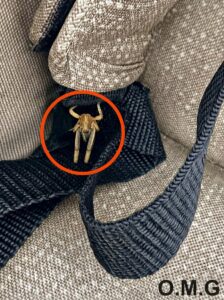
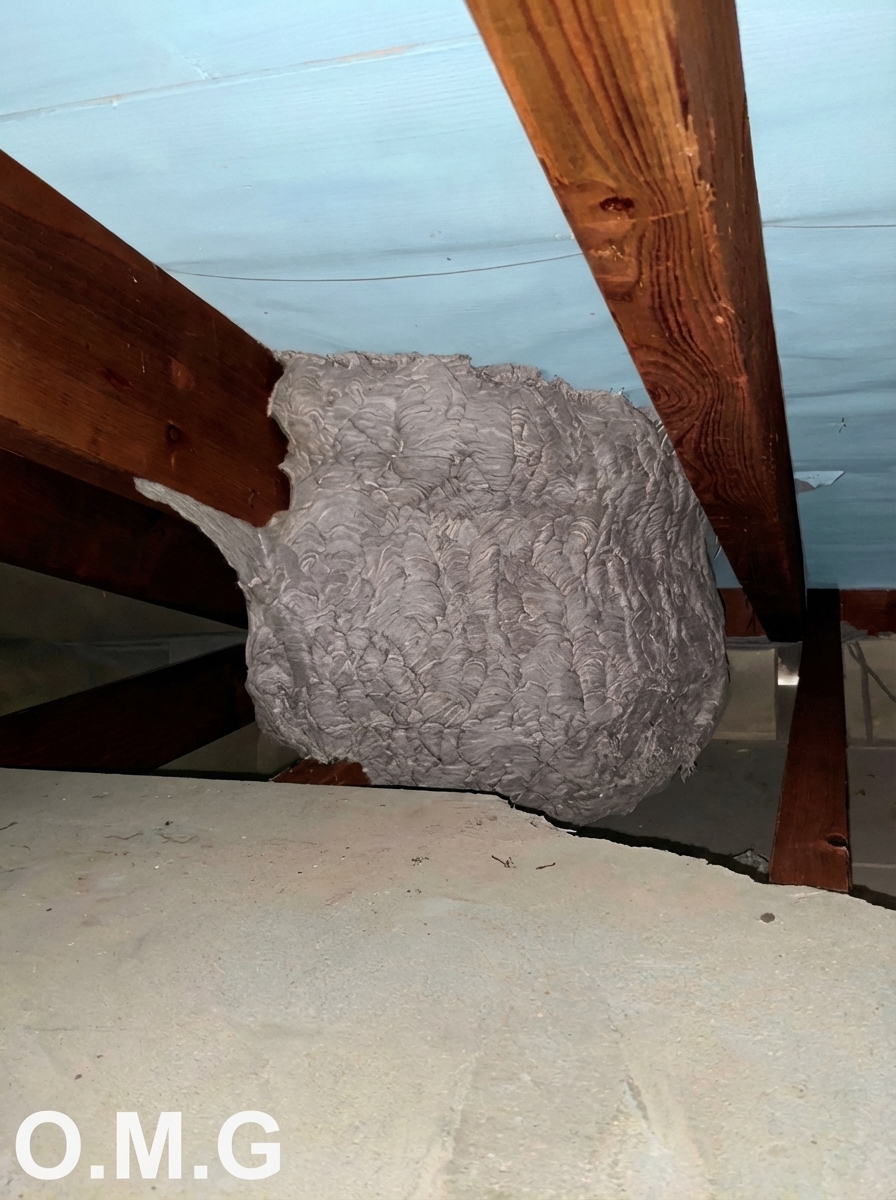
In the quiet, windswept hills of Finistère, Brittany, a story of resilience and innovation emerged from a personal struggle. For Denis Jaffré, a former sailor who transitioned into a life of beekeeping, peace was defined by the steady hum of his hives and the beauty of wildflowers. However, in 2017, that tranquility was shattered when his apiary came under siege by the Asian hornet. This invasive predator devastated his livelihood, destroying fifty of his colonies in just a few months. For Jaffré, the loss was deeply personal, as he watched his bees disappear overnight.
Refusing to accept the destruction of his work, Jaffré turned his garage into a laboratory. Using scrap wood, old jars, and netting, he embarked on a mission to design a trap that could effectively stop the hornets without harming other beneficial insects. After countless prototypes and iterations, he finally arrived at a design that was both elegant and devastatingly effective.
His invention features a two-part system: a bait container that lures the hornets with a specific, natural scent, and a chamber fitted with narrow entry cones. These cones are perfectly sized to allow hornets in while keeping bees, butterflies, and other pollinators safely out. Once inside the chamber, the hornets are contained.
By 2019, Jaffré’s trap earned him a medal at the prestigious Lépine Competition, France’s oldest innovation fair. This recognition catapulted his local experiment into a broader movement for environmental protection. In 2021, he founded Jabeprode, a company based in Bodilis, Brittany. What began as a one-man project in his living room has grown into a thriving facility where a dedicated team of seven employees hand-assembles the traps.
The impact of Jabeprode has been significant. The traps are now used in eighteen European countries, and interest is growing in the United States as the Asian hornet encroaches on new territory. The design is praised for its balance of efficiency and ethics, providing a way to neutralize an invasive species without threatening essential biodiversity.
Jaffré’s mission extends beyond the sale of hardware. He is a vocal advocate for environmental education, discouraging homeowners from using toxic chemicals to destroy nests in favor of more sustainable, targeted solutions. He has also launched a crowdfunding campaign to scale his production and fund further research into pollinator protection.
Today, beekeeping associations across Europe credit Jaffré’s invention with saving thousands of colonies and preventing regional honey shortages. Researchers have even begun studying his traps to gain deeper insights into the behavior of Asian hornets. Despite this success, Jaffré remains humble. He views his work not as a commercial venture, but as a commitment to the creatures that once brought him peace. He often notes that bees have taught him the value of patience and the importance of working together for survival.
From his workshop in Bodilis, shipments of traps continue to travel across the continent, representing a transition from personal loss to a global solution. For Jaffré, the true measure of success is found in the return of the bees to the orchards and fields. His story serves as a reminder that when faced with destruction, one man’s persistence and respect for nature can restore the balance of an entire ecosystem. In a world of ecological, the steady sound of a healthy hive remains, for him, the sound of hope.