Effective Strategies for Preventing and Managing Ringworm Infections
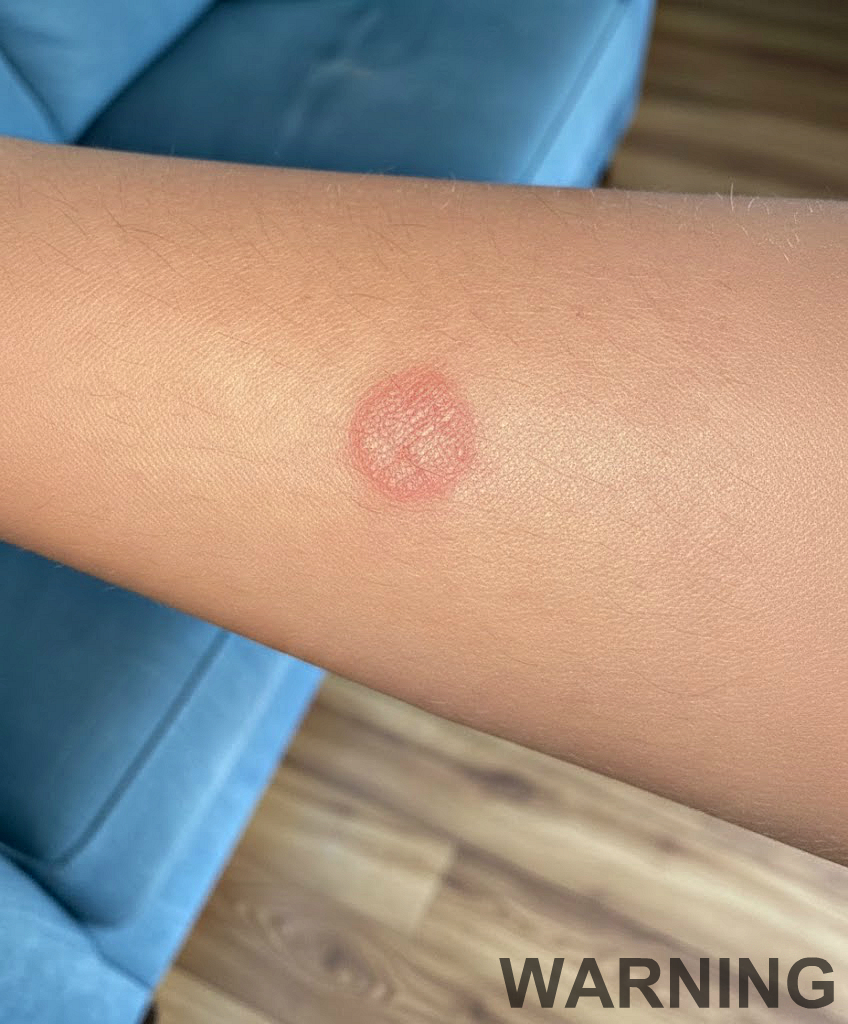
Ringworm might sound intimidating, but it is actually one of the most common fungal skin infections worldwide. Despite its misleading name, the condition has nothing to do with worms; it is caused by a fungus that thrives in warm, moist environments. The infection typically manifests as red, circular patches on the skin that may become itchy, flaky, or spread if left untreated. While it is not life-threatening, ringworm can be persistent and highly contagious, particularly in humid climates or households with pets. Fortunately, you can protect yourself by incorporating simple, effective habits into your daily routine.
Keep Your Skin Clean and Dry
Fungi thrive in moisture. Your best defense is to keep your skin clean and dry at all times. After showering or swimming, ensure you thoroughly dry areas where sweat often accumulates, such as the underarms, the groin, the space between your fingers and toes, and the area behind your knees. If you sweat heavily during the day, change into clean, dry clothing as soon as possible. Whenever possible, choose breathable fabrics like cotton, which help prevent moisture from building up against your skin.
Wash Clothes, Towels, and Bedsheets Regularly
Fungal spores can survive on fabric for several days. To prevent the infection from spreading, wash your clothes, towels, and bed linens frequently, especially after physical activity or during hot weather. Since sunlight acts as a natural disinfectant, drying your laundry outdoors is an excellent practice. Furthermore, avoid sharing personal items such as towels, razors, or clothing, even with family members, as these objects can easily transfer fungi from one person to another.
Handle Pets with Care
Pets, particularly cats and dogs, can carry ringworm without displaying obvious symptoms. Be vigilant for signs such as patches of missing fur or scaly spots on their skin. If you suspect your pet is infected, consult a veterinarian for professional treatment. Always wash your hands thoroughly after handling animals, and avoid close skin contact with them until they have been fully treated. Regular grooming and keeping your pet’s bedding clean will significantly reduce the risk of transmission.
Avoid Using Random Creams or Steroids
One of the most common mistakes people make is attempting to treat skin rashes with leftover steroid creams. While steroids may temporarily soothe itching, they actually suppress the skin’s immune response, which can allow the fungus to spread faster and penetrate more deeply. If you suspect a ringworm infection, opt for antifungal creams containing clotrimazole, terbinafine, or ketoconazole instead. For the best results and a faster recovery, consult a dermatologist for an accurate diagnosis and appropriate treatment plan.
Strengthen Your Skin from the Inside Out
Healthy skin begins with a healthy body. A robust immune system is capable of fighting off fungal spores before they take hold. Maintain a balanced diet rich in fruits, vegetables, and probiotics, stay hydrated, and engage in regular exercise. It is also vital to manage stress, as chronic tension can weaken your immune system and make your body more vulnerable to infections. Finally, prioritize quality sleep, as this is when your body naturally repairs and strengthens its defenses.
Preventing ringworm does not require expensive treatments; it relies on consistent hygiene and awareness. If you notice persistent, itchy, ring-shaped patches on your skin, do not ignore them. Seeking professional medical advice early is the most effective way to prevent the infection from spreading to other parts of your body or to the people around you.