Managing Persistent Foot Edema in Older Adults
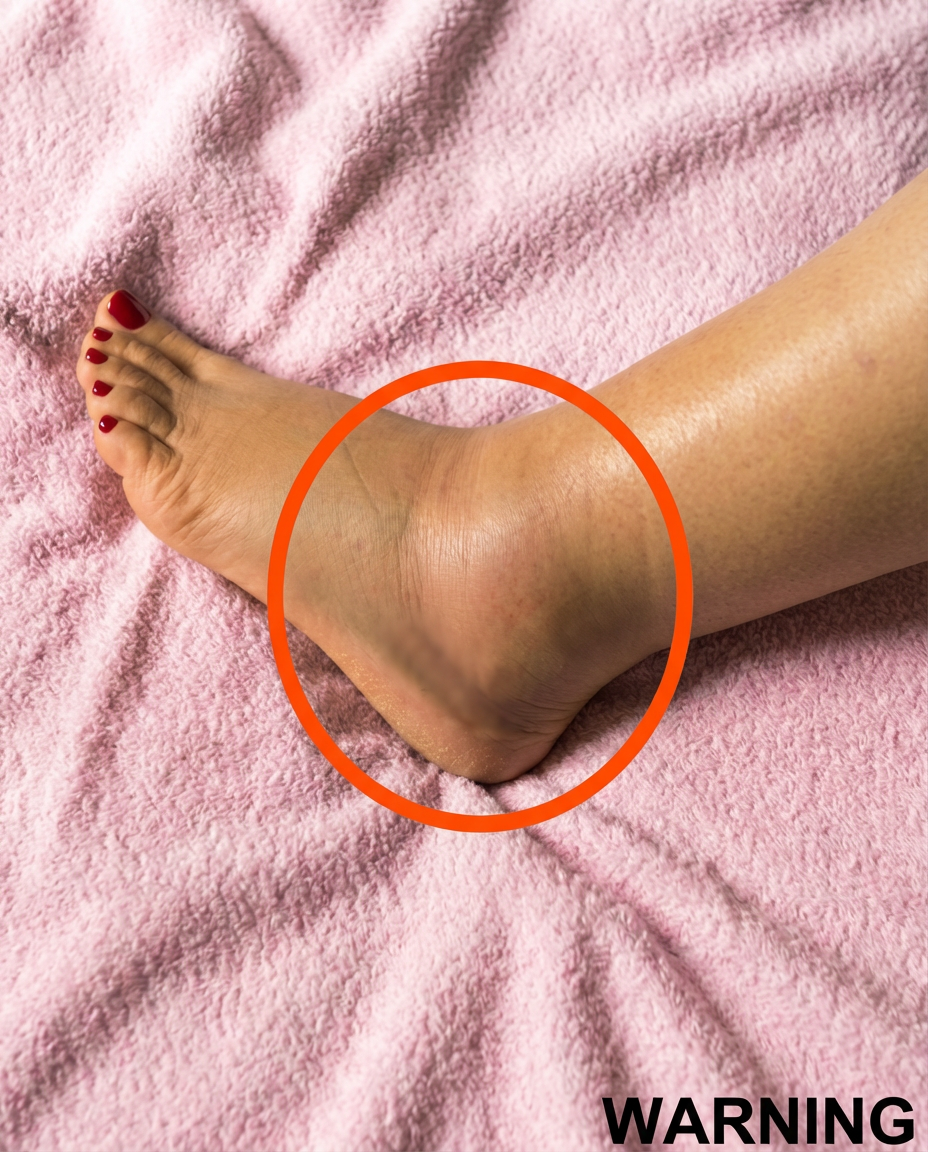
Swollen feet are a frequent concern among older adults. While mild swelling can occasionally occur after long periods of standing or sitting, persistent or frequent edema can be a sign of underlying health issues. Understanding the causes and implementing effective prevention strategies is essential for maintaining comfort, mobility, and overall long-term wellness.
Swollen feet, medically referred to as edema, occur when excess fluid accumulates in the tissues of the lower legs and feet. As individuals age, the efficiency of the circulatory system can naturally decline, making fluid retention more prevalent. One of the primary causes is poor circulation. When blood flow slows down, fluid exerts pressure on the surrounding tissues and pools in the ankles and feet. This is particularly common in older adults who remain sedentary for extended periods. Chronic venous insufficiency, a condition where the leg veins struggle to effectively transport blood back to the heart, is another major contributor that can lead to discomfort and changes in skin texture around the ankles.
Additionally, certain medications can induce fluid retention as a side effect. Drugs frequently prescribed for high blood pressure, diabetes, inflammation, or hormonal imbalances may disrupt the body’s ability to manage fluid levels. More seriously, persistent swelling can indicate underlying issues with the heart, kidneys, or liver, which impair the body’s fluid regulation systems.
Specific lifestyle factors often exacerbate the problem. A lack of regular physical activity significantly slows down circulation, while prolonged periods of sitting during travel or daily routines can cause fluid to build up rapidly. Dietary habits also play a significant role; a high intake of sodium causes the body to retain water, directly worsening the condition. Furthermore, being overweight places increased mechanical pressure on the veins in the legs, impeding the efficient return of blood to the heart.
Fortunately, there are many proactive ways to manage or prevent swelling. Regular movement is one of the most effective interventions. Walking, gentle stretching, or light exercise stimulates blood flow and encourages the body to process fluid more efficiently. Elevating the feet above heart level for fifteen to thirty minutes per day can also assist by using gravity to help fluid drain away from the lower limbs.
Footwear choices are equally important. Wearing comfortable, supportive shoes reduces pressure on the feet and improves natural circulation. Many older adults find relief by using compression socks, which apply gentle pressure to support the legs and assist blood flow back toward the heart, especially when remaining seated or standing for long durations. Diet should also be considered; reducing salt intake while increasing consumption of potassium-rich foods—such as bananas, leafy greens, and avocados—can help the body maintain a healthier fluid balance.
While occasional, mild swelling is often expected, it is important to know when to seek professional medical advice. If swelling appears suddenly, becomes severe, or is accompanied by pain, skin redness, or shortness of breath, a healthcare provider should be consulted immediately. Regular checkups are the best way to monitor cardiovascular health and identify if swelling is a symptom of a condition requiring specific medical treatment. By staying active, monitoring diet, and paying consistent attention to circulatory health, many older adults can effectively manage swelling and ensure a more comfortable and active daily life.