Understanding Ground Beef Discoloration
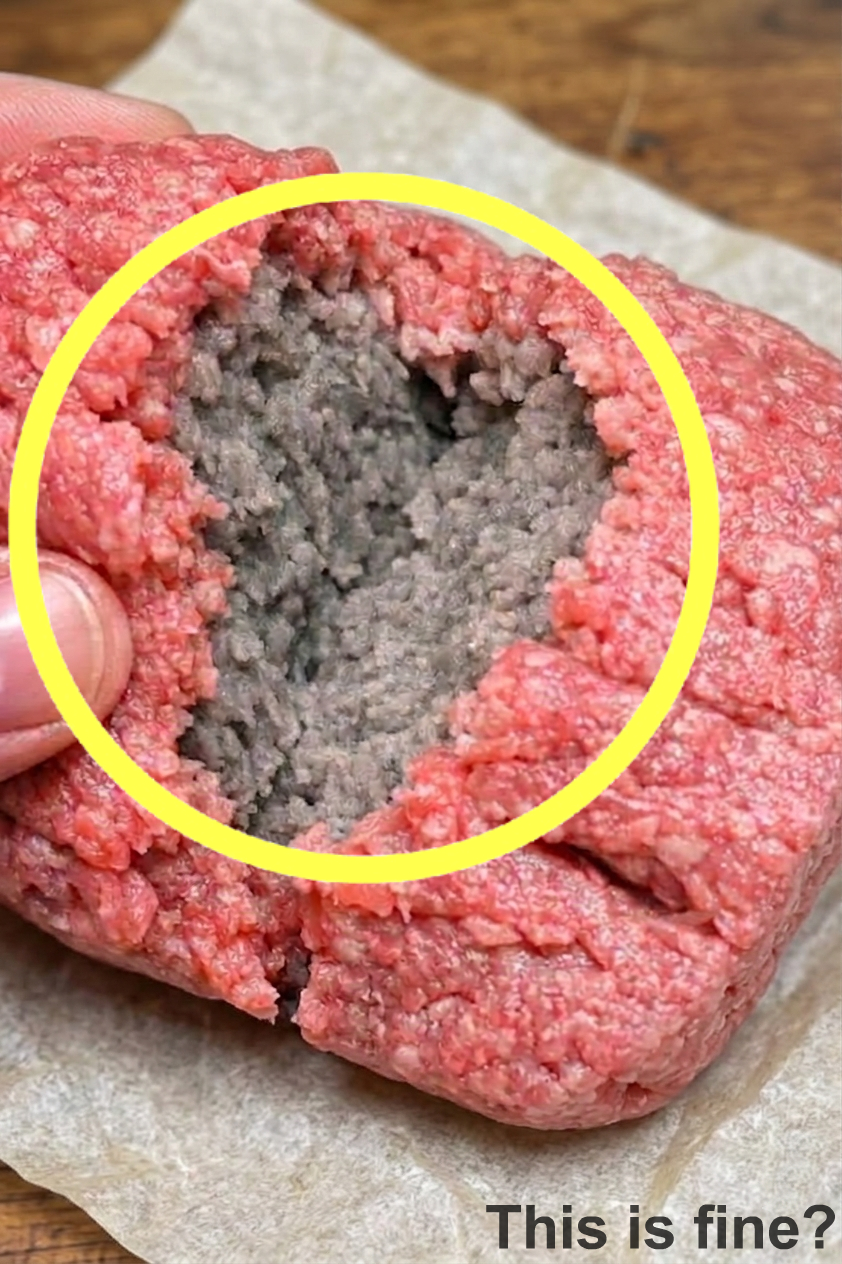
Have you ever purchased a package of ground beef, only to discover that while the outer layer is a vibrant, appealing red, the center is a dull grey or brown? It is a common experience that often triggers immediate concern about food safety, leading many shoppers to wonder if they have been sold a spoiled product or if the store has engaged in deceptive packaging practices.
In the vast majority of cases, this color discrepancy does not indicate that the meat has gone bad. The phenomenon is driven by the meat’s natural reaction to oxygen. The exterior portion of the ground beef is directly exposed to air, which allows the protein myoglobin to bind with oxygen, resulting in that familiar bright red hue. Conversely, the center of the meat is deprived of oxygen exposure while sitting in the package, causing it to take on a darker, greyish tone. This is a standard and safe chemical process rather than a sign of spoilage.
To determine if your ground beef is truly unsafe to consume, you should rely on sensory indicators rather than color alone. Authentic signs of spoilage include an off-putting or sour odor, a noticeably slimy or tacky texture, or evidence that the packaging has been punctured or compromised. If the meat lacks these warning signs and remains firm to the touch, it is typically perfectly safe to cook and eat.
As a general rule for food safety, raw ground beef should be cooked or consumed within one to two days of being refrigerated. If you do not plan to use it within that timeframe, it should be placed in the freezer to maintain its quality. While it is always wise to be cautious about the food you serve your family, discovering a grey center in your ground beef is usually just an example of science at work, not an attempt by your local grocer to scam you.