Visible Veins: Why They Appear and When to Seek Medical Advice
**Understanding Visible Veins: What They Mean and When to Be Concerned**
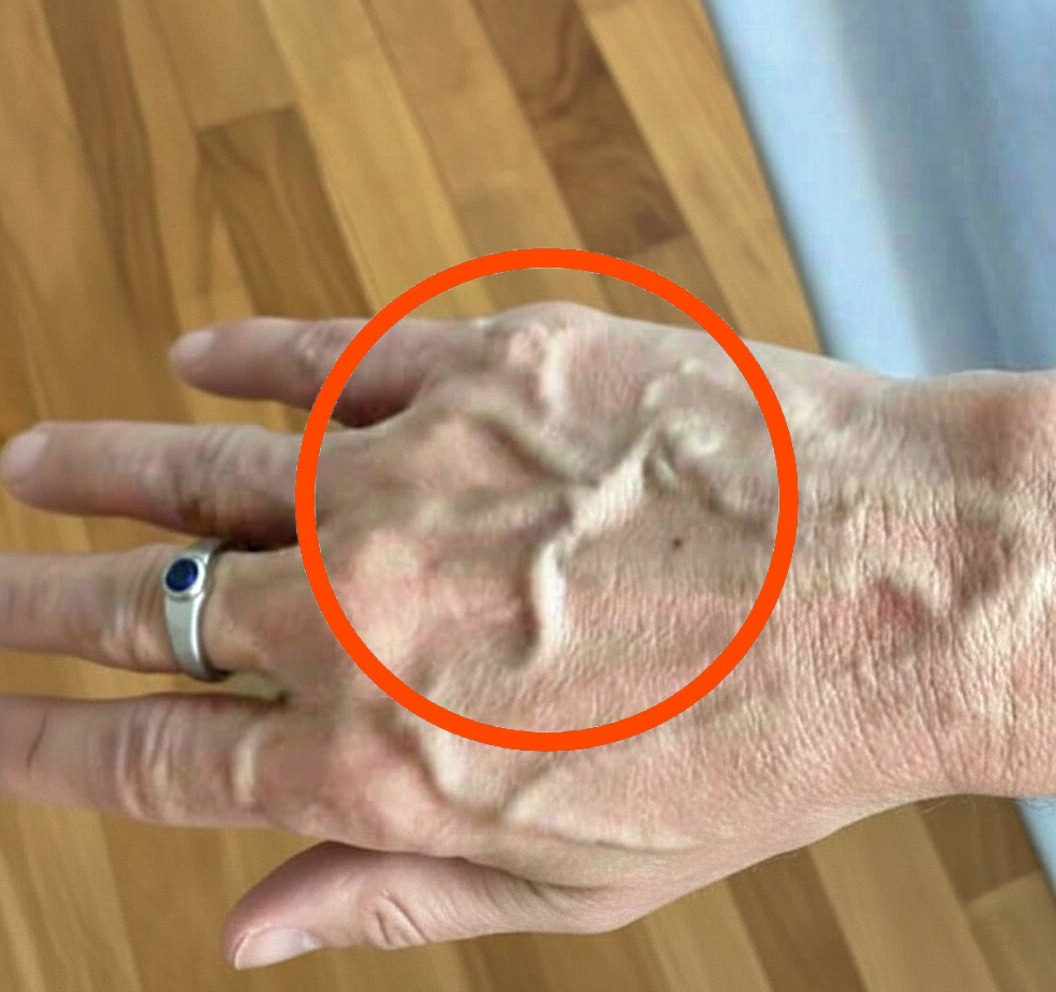
There are several reasons why veins might appear more prominently:
* **Low Body Fat:** When body fat reduces, especially in the limbs or torso, the layer of fat that usually hides veins becomes thinner, making them more visible.
* **Exercise and Weight Lifting:** Increased blood flow during exercise can make veins swell and become more noticeable. Over time, with regular training, muscles grow and push the veins closer to the surface.
* **Hot Weather:** Warm temperatures cause veins to dilate (widen) as the body tries to cool itself. This temporary change can make them more visible, especially in the arms and legs.
* **Aging:** As we age, our skin loses elasticity and becomes thinner. This allows underlying structures like veins to show through more easily.
* **Hormonal Changes:** Pregnancy, menopause, or hormone therapy can affect blood vessels and circulation, sometimes causing veins to appear where they weren’t visible before.
**When to Be Concerned**
While many cases of visible veins are harmless, there are situations where they may indicate something more serious:
1. **Sudden Appearance with No Clear Cause:** If you haven’t lost weight, begun a new workout routine, or experienced any known triggers, and yet you spot new, bulging, or twisted veins, it’s worth investigating. This could point to an underlying circulatory issue.
2. **Pain, Swelling, or Redness Around the Vein:** Visible veins that are accompanied by tenderness, swelling, or warmth might be symptoms of phlebitis (inflammation of a vein) or even deep vein thrombosis (DVT), which is a medical emergency.
3. **Veins That Feel Hard or Rope-Like:** This could signal varicose veins or superficial thrombophlebitis, a condition in which a clot forms in a vein close to the skin’s surface.
4. **Skin Changes Around the Vein:** If the skin near the vein becomes discolored, itchy, or develops ulcers, it may be a sign of chronic venous insufficiency, a condition where blood struggles to return to the heart, leading to pooling in the legs.
5. **Sudden Visible Veins in the Chest or Abdomen:** This is less common but could be a sign of a serious internal condition such as liver disease or cancer, particularly if the veins appear in a web-like or radiating pattern.
**When to See a Doctor**
You should visit a healthcare provider if:
* The veins appeared suddenly without a known cause.
* You have other symptoms like leg cramps, swelling, or fatigue.
* The veins are painful, warm, or inflamed.
* You’re worried about their cosmetic appearance and want professional advice.
**Conclusion**
Not all visible veins are dangerous, and in most cases, they are a natural part of how your body responds to changes. However, being aware of when their appearance might signal a deeper problem is essential. If you’re ever in doubt, a quick visit to your doctor can provide peace of mind — or early treatment if needed.