What is PAD
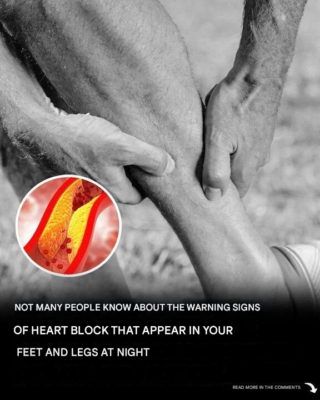
Whenever it comes to heart health and potentially clogged arteries, you probably think about things like chest pain, shortness of breath, or high blood pressure. However, your legs—the cunning messengers of the cardiovascular system—are among the first in your body to send early signals about serious conditions such as blocked arteries and heart disease. When it comes to your health, your legs may tell you more than you think. Often unnoticed, your feet can signal serious cardiovascular conditions like peripheral artery disease (PAD) and coronary artery disease (CAD)—two forms of atherosclerosis, where plaque buildup restricts blood flow in the arteries.
What is PAD?
Peripheral artery disease is a condition in which narrowed arteries reduce blood flow to the limbs, most often affecting the legs and feet. It occurs when plaque—a mixture of fat, cholesterol, and other substances—accumulates in the arteries, leading to their hardening and narrowing and thereby restricting blood flow.
How does PAD affect the legs?
WebMD reports that your legs may give the first signs of PAD with symptoms such as:
-
Cold legs: Poor circulation makes it difficult for warm blood to reach your extremities, leading to consistently cold legs even in warm weather.
-
Slow-healing wounds: Minor cuts or blisters may heal unusually slowly due to insufficient blood supply.
-
Pain while walking: Pain or cramping in your feet and legs during physical activity, which eases after rest.
-
Changes in skin color: Your legs may appear pale, blue, or have a purple tint because of reduced blood flow.
Ignoring the symptoms of PAD can lead to serious complications, including critical limb ischemia—which may result in infection, gangrene, and even amputation if left untreated. Moreover, the presence of PAD often indicates that atherosclerosis may be affecting other vital arteries, including those supplying the heart and brain.
What is CAD?
Coronary artery disease is a type of atherosclerosis that affects the arteries supplying blood to the heart. When these arteries become clogged with plaque, the heart receives less oxygen-rich blood, increasing the risk of heart attacks. Surprisingly, the symptoms of CAD can also manifest in the legs:
-
Swelling: Poor heart function can lead to fluid retention, causing swelling in the feet and ankles.
-
Tingling or numbness: Reduced circulation may result in a pins-and-needles sensation in the toes.
-
Skin changes: The skin on your feet may become shiny and thick due to fluid buildup and impaired circulation.
-
Pain in the feet at rest: Unlike PAD, in CAD the pain in the legs can persist even at rest, especially at night.
-
Fragile toenails: Poor blood supply can weaken your toenails, making them thick and brittle.
According to the American Heart Association (AHA), “children and youth are increasingly at risk for developing CAD. Therefore, preventive measures taken at an early age can provide great benefits throughout life.” A healthy lifestyle—proper nutrition, weight management, and physical activity—can “delay the progression of CAD, and there is hope that it can be improved before it causes further health issues.” The AHA also warns that if you have PAD or CAD, the likelihood of having the other is very high.
Let PAD and CAD Be Defeated
Prevention is the key to avoiding serious complications related to diseases associated with atherosclerosis. Here are several ways to protect your legs and overall health:
-
Stay active: Physical exercise improves circulation and helps prevent plaque buildup in the arteries. The Centers for Disease Control and Prevention recommends that adults spend 30 minutes a day on moderate activities such as brisk walking or swimming.
-
Eat heart-healthy foods: Focus on a diet rich in fruits, vegetables, whole grains, and lean proteins while reducing the intake of processed foods and harmful fats.
-
Quit smoking: Smoking narrows blood vessels and impairs circulation—one of the main risk factors for developing PAD and CAD.
-
Manage stress: Chronic stress can contribute to high blood pressure and heart disease. Practice relaxation techniques such as meditation or deep breathing.
-
Monitor your sugar intake: For those with diabetes, controlling blood sugar levels is crucial for preventing complications that affect both your feet and cardiovascular system.
-
Regular checkups: If you have risk factors such as high blood pressure, diabetes, or a family history of heart disease, routine doctor visits can help detect problems early.
Your legs can provide valuable clues about your heart health, and paying attention to them can help you catch issues before they become serious. Whether it’s cold legs, swelling, or cramps, these signs should not be ignored. Were you surprised to learn how closely connected your legs are to your heart? Please share your thoughts, and then pass on this article to your friends so that they too know what to watch out for!