Shaky Ground
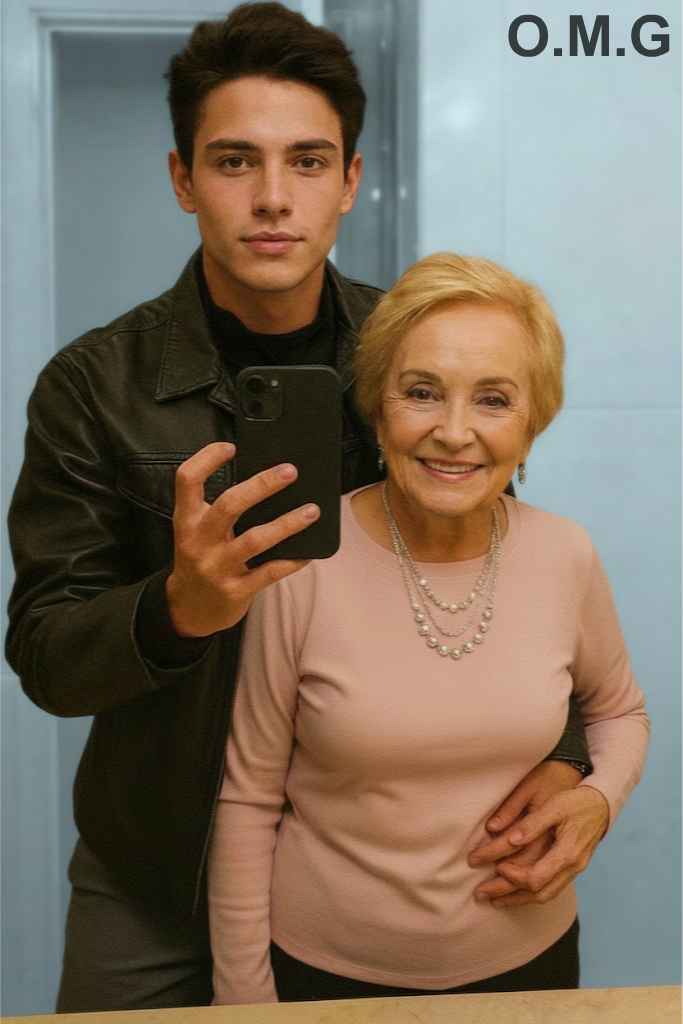
Ten days is not long enough to forget a promise, but it is long enough to realize that the life you thought you were building was built on shaky ground. I still remember the exact moment my phone buzzed on the kitchen counter. It was a Tuesday morning, the sun cutting through the blinds in thin golden stripes, and the screen displayed a photograph I never thought I would see. My grandmother, Eleanor, stood at the altar in a simple ivory dress, her silver hair caught in a delicate vintage veil. Beside her, holding her hands with a tenderness that made my breath catch, was Julian. My boyfriend of three years. The man who had proposed to me just six weeks earlier. The man who had helped me plan our autumn wedding.
I stared at the image until the pixels blurred. There was no explanation, only a single tagged comment from a distant cousin that confirmed what my eyes refused to process: the ceremony had taken place in Vermont, witnessed only by a notary and two hotel staff members. The marriage certificate was dated exactly ten days prior. I called Julian first. It went straight to voicemail. I called my grandmother next. She answered on the fourth ring, her voice calm, almost eerily steady. Before I could force a single question past my lips, she simply said, You will understand soon. Please come to the house. We need to talk.
My relationship with my grandmother had always been my anchor. After my mother passed when I was twelve, Eleanor stepped into the silence with a quiet strength that never demanded praise but always offered shelter. She taught me how to braid my hair, how to read the signs in the weather, and how to forgive the people who hurt me. When I brought Julian into our circle, she had welcomed him with open arms. He visited every Sunday, helping her repair the garden fence, organizing her medical files, and patiently listening to her stories about a life lived long before my time. They shared a warmth that I had never questioned, assuming it was simply the easy grace of two good people who respected each other.
When I arrived at her house, the air smelled of lemon polish and old paper. Julian was sitting at the dining table, his shoulders slumped, a legal folder spread out before him. He looked up the moment I stepped inside, his eyes heavy with exhaustion and something I could not quite name. I did not wait for an apology. I demanded answers. Why? How could you do this? Are you out of your mind? He did not flinch. He simply reached into the folder and slid a single document across the polished wood. It was a copy of my grandmother’s updated estate plan, notarized and filed. Beneath it lay a medical directive, a power of attorney, and a letter written in my grandmother’s own handwriting.
The truth was not a conspiracy. It was a rescue. Two months earlier, Eleanor had been diagnosed with early stage dementia. The progression was unpredictable, the window for clear decision making shrinking faster than she had expected. She had consulted an attorney who outlined a harsh reality: without a legally recognized spouse or an emergency guardianship, her assets, her home, and her long term care would be tied up in probate for years. My parents were gone. I was her only living relative, but state law required a waiting period and court approval that would freeze everything. Julian, upon learning of the diagnosis, had suggested a legal union that would grant her immediate spousal protections and allow me to manage her care without bureaucratic delay. It was never about romance. It was about timing. It was about keeping her safe when the system moved too slowly.
I read the letter three times, my hands trembling as the words settled into place. Eleanor had written that she loved me with a ferocity that had never faded. She explained that she had watched Julian care for me, for her, for everyone who crossed their path. She knew he would never harm me or our future. She asked for forgiveness for the shock, for the breach of trust, and for the necessary deception. She wrote that true love sometimes demands uncomfortable choices, and that she had chosen to let us survive the storm intact. I finally looked at Julian. The weight in his eyes was not guilt, but grief for the conversation he had been forced to skip, the boundaries he had crossed out of necessity rather than malice.
We sat in that quiet room for hours, untangling the shock, the shock giving way to a fragile understanding. The marriage remained strictly legal. On the fourteenth day, we filed for an annulment based on mutual consent and lack of consummation. But the paperwork was only a formality. The real shift had already happened inside me. I had spent those ten days believing I had been betrayed, only to discover I had been protected by the quiet sacrifices of the two people I loved most. I learned that family is not always defined by blood or tradition. Sometimes it is defined by the willingness to step into the difficult space when no one else will, to make the unpopular choice, and to bear the misunderstanding so that someone else can stay safe.
Years have passed since that Tuesday morning. My grandmother’s memory has faded further, but her home remains exactly where it belonged, her care seamless, her final years dignified. Julian and I rebuilt our foundation on something firmer than secrets. We married the following autumn, exactly as I had originally planned, but this time with no hidden burdens, only the hard won clarity that love is not just about grand gestures. It is about showing up when the truth is uncomfortable, and choosing each other through the mess. Ten days felt like a lifetime when I was angry. Now, I recognize it for what it truly was: the shortest bridge between confusion and trust, built by hands that refused to let go.