Recognizing and Managing Infant Skin Irritation: A Parental Guide
Important Information for Parents: Signs of Skin Irritation You Should Never Ignore
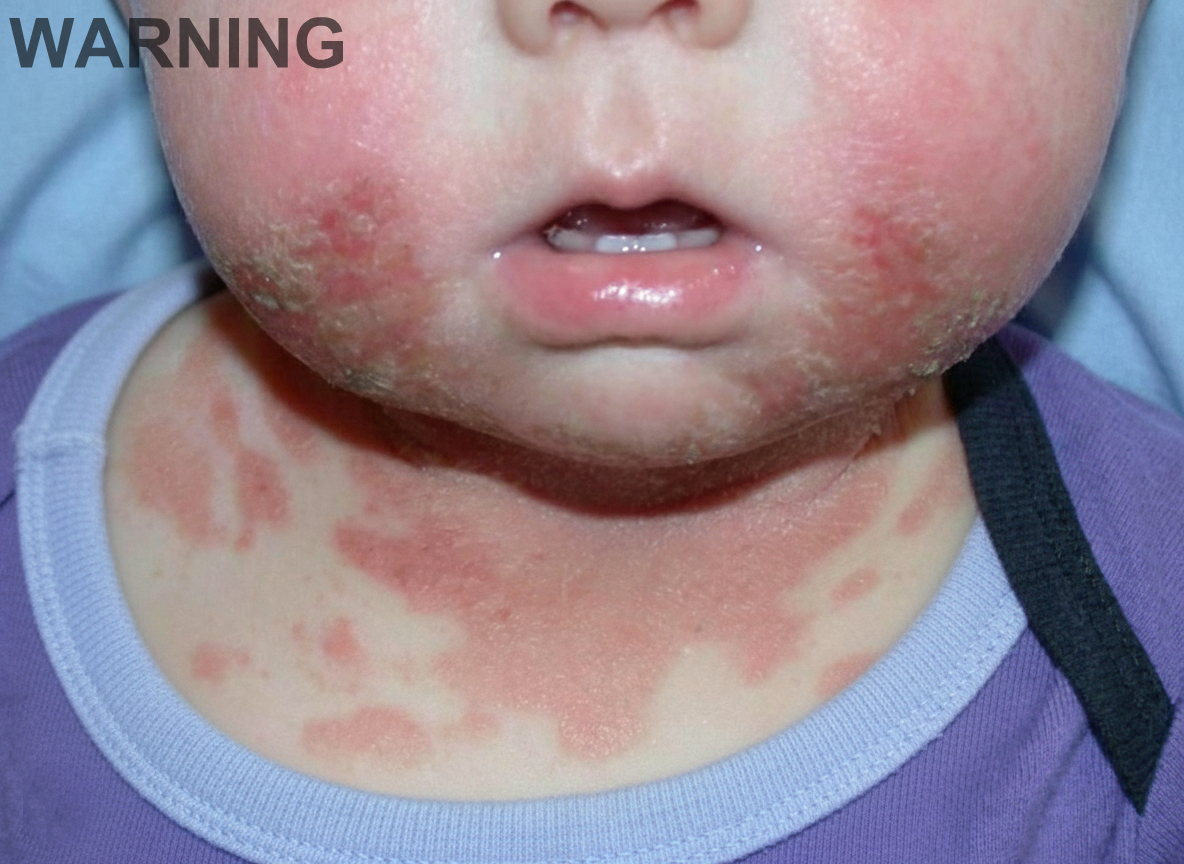
A baby’s skin is exceptionally sensitive, making it vulnerable to various irritants. When you notice severe redness, inflammation, or peeling skin—particularly around delicate areas like the neck—it is essential to identify the cause, which could range from allergic reactions and fabric friction to overheating, dermatitis, or contact with an external irritant.
Understanding why this matters is the first step in protecting your child. When left untreated, minor skin irritation can escalate rapidly, potentially leading to painful cracks, secondary infections, and other serious complications.
Key symptoms that parents should monitor closely include redness that continues to spread across the skin, patches of skin that are excessively dry or peeling, the appearance of circular spots or blister-like lesions, constant scratching or rubbing by the infant in the affected area, or the presence of fluid, crusting, or any unusual odors.
If you observe these warning signs, there are immediate steps you can take to manage the situation. Begin by gently cleaning the affected area using only warm water; avoid the use of soaps and be careful not to rub the skin. Identify and remove any clothing, labels, or external items that may be causing friction or irritation. When drying the area, pat it gently rather than rubbing. Furthermore, ensure the child is dressed in soft, breathable, and hypoallergenic fabrics, and verify that all baby clothing is laundered using mild, fragrance-free detergents specifically formulated for sensitive skin.
It is critical to seek professional medical advice if the condition worsens, if you notice oozing or wet patches, if the baby displays signs of pain or cries when the area is touched, if the irritation shows no signs of improvement after one or two days, or if the child develops a fever. Prioritizing early attention for these symptoms is the best way to safeguard your child’s health and comfort.