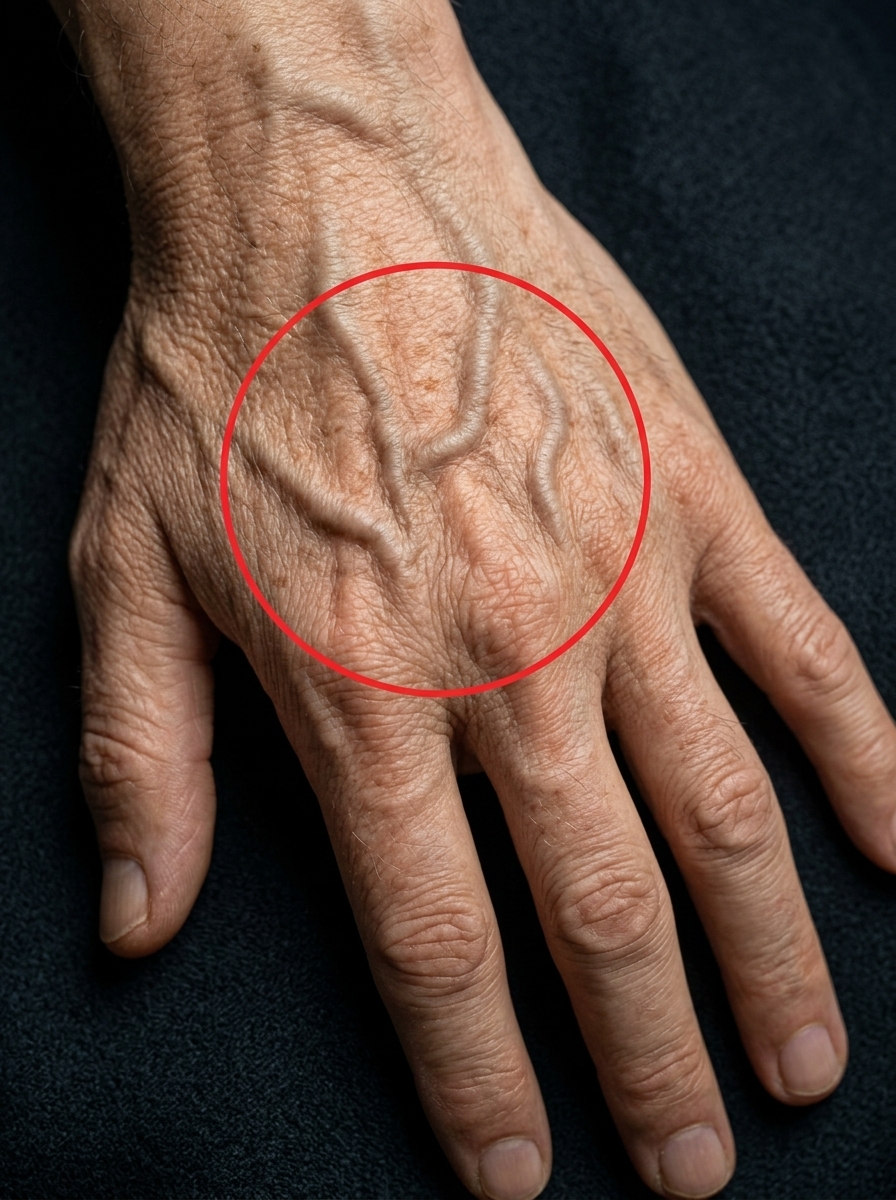
Understanding Why Prominent Hand Veins Are Usually Harmless
Noticing prominent veins in your hands can be a source of concern, especially given the various health claims that circulate online. You may have encountered suggestions that visible veins serve as a diagnostic indicator for issues with your body’s filtration system. However, medical science clarifies that there is no direct link between the appearance of hand veins and the internal function of these organs.
Visible veins are almost always a normal aspect of your individual anatomy. Several common factors contribute to their prominence. As we age, our skin naturally thins and loses the collagen that provides structural firmness, making underlying vessels easier to see. Body composition is another significant factor; individuals with lower body fat percentages often have more visible veins throughout their bodies because there is less fatty tissue to mask the vessels beneath the skin.
Genetics, physical activity, and environmental conditions also play a part. Some people simply inherit skin characteristics that make veins more noticeable. When you exercise, the body increases blood flow, which can temporarily enlarge veins. Similarly, exposure to heat causes blood vessels to dilate, and mild dehydration reduces the volume of fluid in your bloodstream, both of which cause veins to stand out more sharply. These are normal, healthy physiological responses to your environment and activity levels.
To understand why this is not a concern, it helps to examine how the body’s filtration system functions. These vital organs filter waste products from the blood, regulate mineral and electrolyte levels, and control fluid balance. When they do not function properly, the body displays distinct, medically recognized symptoms. These include chronic swelling—known as edema—in the lower extremities or face, persistent fatigue, changes in bathroom habits, the presence of foam in the urine, and elevated blood pressure.
Crucially, visible veins are not listed among the indicators of filtration dysfunction. In fact, when the body experiences fluid retention due to impaired organ function, the resulting swelling typically obscures veins rather than highlighting them. The only time significant vein enlargement relates to filtration health is in patients who have undergone clinical procedures to facilitate artificial blood filtration, where doctors intentionally create a vascular access point to assist with treatment. In such cases, the vein is altered as a result of medical intervention, not as a symptom of the underlying disease.
Rather than fixating on the look of your veins, focus on genuine health indicators. If you experience persistent swelling in the hands, ankles, or feet, unexplained chronic fatigue, or significant changes in your urinary patterns, these are signs that warrant a discussion with a healthcare provider. Accurate assessment of your filtration system is only possible through clinical testing, such as blood work and specific diagnostic labs that measure waste product levels and organ efficiency.
In summary, visible veins on your hands are generally just a reflection of your age, genetics, and hydration status. They are not a reliable health marker. By understanding the true warning signs, you can monitor your well-being effectively without undue anxiety regarding normal anatomical variations.