From Living on $150 a Month to Quiet Farm Life With His Famous Wife
Long before Kevin Bacon became one of the most familiar performers in Hollywood, his circumstances bore little resemblance to the calm and comfortable life many admirers see today. His journey included uncertain years, cheap accommodation, repeated auditions, demanding theater work, and the persistence expected of a young actor attempting to earn a place in a crowded profession. Decades later, Bacon has created a remarkably lasting screen career while choosing a quieter rhythm with his wife, actress Kyra Sedgwick. Away from production, their world includes animals, cooking, a garden, music, and long stretches of time outdoors.
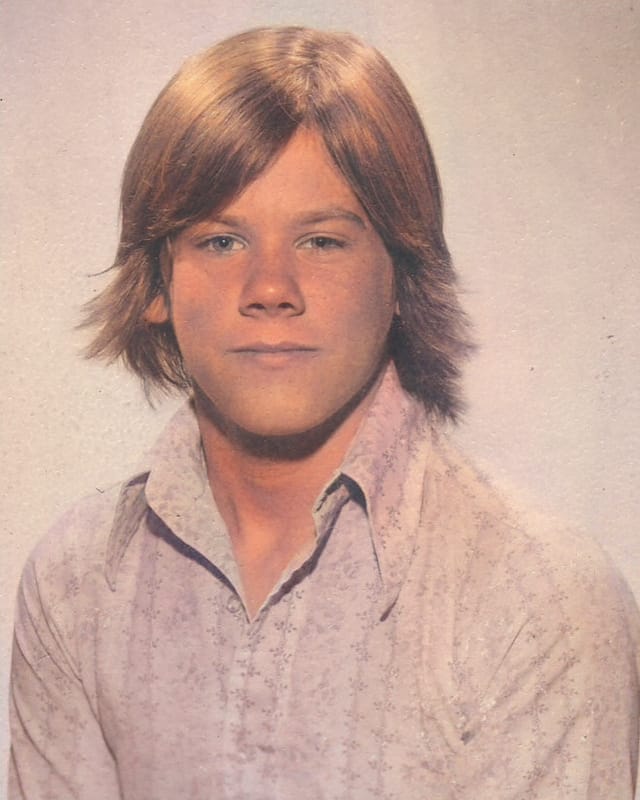
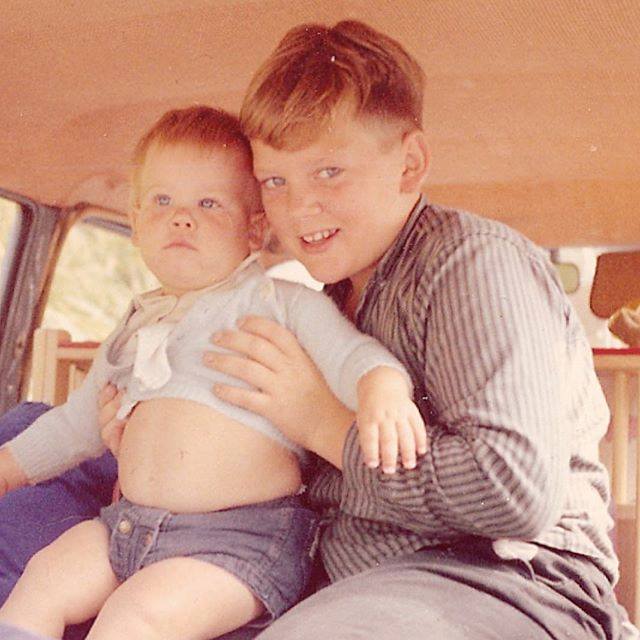
Bacon’s attraction to performing began well before the public recognized him. He was born in Philadelphia, Pennsylvania, in 1958 and raised in a household that valued imagination, culture, and intellectual curiosity. His father, Edmund Bacon, was a respected architect and urban planner who spent many years leading the Philadelphia City Planning Commission as its executive director. His mother, Ruth Hilda Holmes, worked as a teacher and social activist. Kevin, the youngest among six children, developed a strong interest in the arts while still growing up.
In memories Bacon has shared from childhood, the movies exerted a particularly powerful pull on him. After visiting a theater, he liked to come home and imitate the characters he had just watched. His mother kept a collection of old clothes, and those garments became material for endless make-believe. Elaborate toys were unnecessary; changing clothes allowed him to invent new roles, act out stories, and turn imagination into part of ordinary family life.
What began as play eventually developed into a serious ambition. Bacon understood while relatively young that acting was more than a pleasant pastime and that he wanted it to become his profession. During his teenage years, he studied theater at the Pennsylvania Governor’s School for the Arts at Bucknell University. Working among other creatively driven students strengthened that decision and gave him experience in an environment where artistic goals were taken seriously.
At 17, Bacon left Philadelphia and headed for New York City to pursue acting. The move did not deliver immediate glamour, steady income, or prestigious roles. Like generations of aspiring performers, he had to stay afloat while training, auditioning, and looking for a first reliable foothold. Those early New York experiences later became an important part of how he described the beginning of his career.
Bacon has said that he initially lived with his sister while trying to get established. Eventually he needed somewhere affordable of his own. An advertisement in the Village Voice led him to inexpensive housing presented as a residence for artists. The conditions were basic and could hardly have been further from the homes usually associated with successful movie stars.
According to Bacon, the lodging cost about $150 each month. Even that amount did not provide him with a private apartment. He shared one room with another resident, a classical pianist. For an actor with very little money, splitting the space offered a way to remain in New York and keep pursuing professional opportunities without abandoning the city.
This was not merely a stop for a few weeks. Bacon remembered living alongside the pianist for several years. Although the setting was humble, he has recalled parts of the experience warmly. His roommate sometimes played classical pieces, providing a distinctive soundtrack to their low-cost life together.
The arrangement makes the distance between those years and Bacon’s later fame especially clear. Success was never guaranteed. He was simply one more young performer competing for work and accepting limited comfort so he could devote energy and time to his chosen craft. New York, however, offered what he most wanted: serious theatrical training and access to the stage.
He attended the Circle in the Square Theatre School and began participating in productions. Theater gave him a practical foundation, letting him develop in front of live audiences before his film work became secure. Bacon later spoke of his youthful relationship with art in almost philosophical terms. In remarks quoted by Cosmopolitan, he described wanting the “real thing” from life and remembered growing up around the belief that creativity and artistic expression possessed deep value.
That outlook helps explain his willingness to accept financial instability and modest surroundings. His first professional chapter was not a story of instant celebrity. He worked his way gradually through stage appearances, television assignments, and movie opportunities.
Bacon made his feature debut in the 1978 comedy National Lampoon’s Animal House. The film became an enduring comedy success, but his part did not immediately make him a leading name. As happens to many actors, periods of hope alternated with times when progress appeared doubtful.
He continued to audition, perform in the theater, and take television and film jobs as they became available. The years between his first credited work and the breakthrough audiences remember demanded patience. Each role added experience, but there was no promise that the next one would transform his career.
During the early eighties, larger opportunities began drawing more attention to Bacon. He appeared in Friday the 13th in 1980, a picture later associated with the rapid growth of modern slasher movies. He then joined the ensemble of Diner, released in 1982 and directed by Barry Levinson. That film helped bring wider notice to several young members of its cast.
The defining change arrived in 1984 when Bacon played Ren McCormack in Footloose. His character is a teenager who moves to a small town where dancing has been outlawed and confronts the restrictions imposed on the community. Bacon’s energetic work, paired with an enormously popular soundtrack, made the film a landmark of eighties popular culture and turned its young lead into a face recognized nearly everywhere.
Rather than allow that one character to dictate everything afterward, Bacon deliberately moved among many genres and kinds of roles. Over the following decades he worked in comedy, drama, crime stories, thrillers, science fiction, and independent films, appearing both as a lead and as a supporting performer. That flexibility became one of the foundations of his longevity.
His expanding résumé eventually placed Tremors beside JFK, then A Few Good Men alongside Apollo 13. Other credits ranged from Sleepers, Mystic River, and The Woodsman to Beauty Shop, Frost/Nixon, X-Men: First Class, and Crazy, Stupid, Love. Together, those titles show how far he traveled from the youthful persona most strongly connected with Footloose. He continued choosing characters whose temperaments, backgrounds, and moral challenges were markedly different from one another.
The Woodsman was an especially clear example of his willingness to face uncomfortable material. The 2004 drama required an extremely difficult performance and brought substantial critical attention. Across his career, Bacon has repeatedly shifted between major studio projects and smaller productions, building a record that cannot be understood through his earliest blockbuster alone.
Television also became an increasingly important part of his work. He held prominent roles in the crime thriller The Following and the drama City on a Hill. Moving among theater, cinema, and series work reflects the same dedication to performance that took him from Philadelphia to New York as a teenager.
His work has earned many honors, including a Golden Globe for the television movie Taking Chance. The 2009 HBO drama followed Lieutenant Colonel Michael Strobl as he escorted the remains of Marine Lance Corporal Chance Phelps home to the fallen serviceman’s relatives. Bacon’s portrayal received broad praise and recognition.
His personal life became closely linked to another accomplished actor. Bacon married Kyra Sedgwick in 1988 after they worked together on the television production Lemon Sky. Their relationship has continued for decades, an unusually long marriage in a world where celebrity partnerships are often portrayed as temporary. They are parents to Travis and Sosie Bacon, both of whom entered creative fields.
Sedgwick built a major career independently of her husband. She became particularly famous as Deputy Chief Brenda Leigh Johnson on the television drama The Closer, earning important awards and critical admiration. Their story is not one of a star accompanied by a spouse without an identity of her own. Both partners have maintained substantial careers and public profiles.
Beyond sets, premieres, and studios, they developed another side of life. Bacon and Sedgwick spend considerable time on their Connecticut property, where gardens, animals, and outdoor responsibilities create a sharp contrast with the entertainment business. Reports describe the property as roughly 40 acres, giving the family space for both cultivated land and numerous animals.
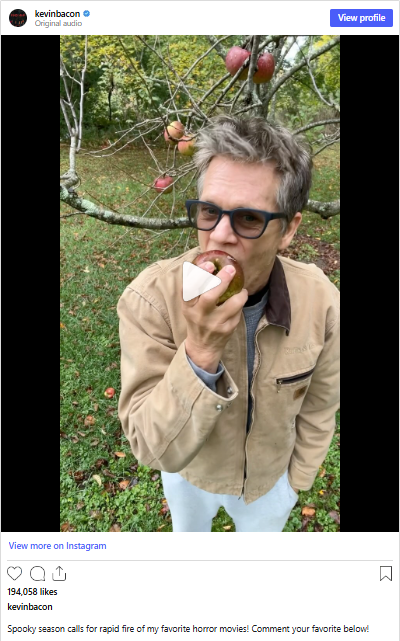
Bacon often shares informal glimpses of this setting online. The farm has housed goats, pigs, alpacas, and miniature horses. Videos of him interacting with them feel very different from polished red-carpet imagery. Instead of a carefully staged movie-star appearance, viewers see a familiar actor feeding, greeting, or performing for creatures around his home.
He has described animals as a source of happiness and calm, saying that time with them helps him relax. That affection is easy to recognize in the casual posts he and Sedgwick have released. Music also found its way into these farm scenes. Bacon sometimes sings or plays songs with the animals nearby, and the playful combination has attracted large audiences.
Sedgwick appears in some of the clips as well, and followers have responded enthusiastically to the unlikely mixture of two famous actors, everyday rural life, music, and goats. The couple has joked about the strength of that response. Sedgwick told People that strangers sometimes identify her through videos featuring their goats despite all the dramatic work she and Bacon have completed. She treats the situation with humor and appreciates that the posts make viewers happy.
The property involves more than caring for animals. Bacon has talked about enjoying the garden and collecting ingredients directly from it. Among the things he has mentioned growing are tomatoes, herbs, basil, zucchini, and peppers. For someone whose earliest New York years often depended on inexpensive prepared meals, walking outside to gather fresh food represents a striking change.
His present enthusiasm for preparing meals has an unexpected connection to the pianist who shared that cheap room. Bacon has remembered that his roommate cooked regularly because he watched every expense. Bacon had little kitchen experience then and was more likely to buy a basic sandwich or a slice of pizza. Seeing someone create affordable meals rather than continually spending money on takeout eventually left a strong impression.
Bacon has said that observing the pianist inspired him to think differently about food and cooking. It is a small recollection, but it links his financially constrained beginnings with an activity he values later in life. He and Sedgwick now sometimes post cooking moments alongside the animal and music videos.
Their daily routine demonstrates that a continuing entertainment career does not require every hour to be spent inside Hollywood’s machinery. In Connecticut, simple acts such as tending plants, gathering ingredients, making food, caring for animals, and walking outdoors can become the center of a day even while professional projects continue elsewhere.
Living closely with particular animals has also affected what Bacon chooses to eat. He has explained that forming relationships with them made consuming products from those same species uncomfortable. Because he cares for goats and pigs, he avoids eating goat and pig products. He has jokingly suggested that bringing more animals onto the property could keep shrinking his menu.
The remark reflects his own emotional response to creatures he knows, not an instruction for everyone else. These are personal choices created by his direct experience of animal care. Bacon and Sedgwick have not framed the farm as a campaign telling other people what they must eat or how they should live. Their public comments mainly express what they themselves value about the property and its residents.
The contrast between Bacon’s New York struggle and his current circumstances is dramatic. As a young man, he concentrated on inexpensive shelter, actor training, and the next chance to work. After decades of professional success, he has a settled family life and a rural environment where the pace can be gentler.
Yet the two eras connect in revealing ways. Creativity remains central, just as it was when he used old clothes to create characters as a boy. Music, once supplied by the classical pianist across their shared room, continues around him today. Cooking, initially understood by watching that same roommate spend carefully, became a lasting interest.
His experience also shows why stories of overnight success often conceal the most important years. To audiences, Footloose may have looked like Bacon’s sudden arrival. Before it, however, he had left home, lived cheaply, trained seriously, performed onstage, accepted smaller parts, and continued through long uncertainty. That work does not make his later success less impressive; it explains how the career developed.
Bacon did not begin with money, security, or a name that opened every door. His housing and working conditions were typical of a young artist trying to remain in the city long enough to receive an opportunity. Years of persistence preceded the fame that made earlier hardship seem surprising in retrospect.
Priorities can also change substantially during a long life. At 17, New York theater and the prospect of professional acting represented the future Bacon wanted most intensely. Acting is still part of his identity, but the life he shows publicly now includes quieter satisfaction in animals, music, food, gardening, and time with Sedgwick.
Those interests do not contradict his screen career. He continues to accept acting work while returning to a rural home when production ends. The farm has not replaced entertainment; it supplies another place and pace for the family’s days. Both realities coexist.
Coverage of celebrities with rural property can sometimes imply that they have abandoned their professions entirely. Bacon’s situation is more balanced. He remains professionally active, and Connecticut offers a different rhythm between jobs. Other well-known people have also discussed gardening or farming, but each example has its own purpose and history.
Jennifer Garner, for instance, has publicly described her relationship with her family farm in Oklahoma and its role in producing ingredients connected to her Once Upon a Farm food company. That project belongs to her particular family and business story rather than proving that all celebrities are taking part in one identical movement.
For Bacon, the most engaging element may simply be the enormous distance between separate stages of one life. The young actor sharing a low-cost room in New York had no way to know what later decades would bring. His immediate concern was learning, auditioning, and staying financially afloat while refusing to give up the work he wanted.
Persistence and opportunity eventually produced a career lasting across generations. Footloose made him a pop-culture figure, while the many performances afterward proved that he could not be reduced to Ren McCormack. Film, theater, and television brought him before audiences in a wide range of roles.
At home, the image is far more relaxed. The moments he chooses to share feature kitchens, instruments, gardens, and animals instead of lighting rigs and film sets. Such posts cannot reveal every aspect of private family life, but they provide the view Bacon and Sedgwick are comfortable offering.
That contrast gives the old housing story its emotional force. Someone who once divided a modest room with a pianist while searching for acting jobs eventually achieved professional stability and created a country home with his family. The change happened gradually through decades of work and personal growth, not through one magical transformation.
His story is also a reminder that premiere photographs show only a thin slice of a celebrity’s existence. Away from public events, famous people may find their greatest satisfaction in pursuits that appear very ordinary. Raising vegetables, making a meal, caring for goats, or playing music may lack Hollywood spectacle, yet those activities can carry deep meaning.
Kevin Bacon’s path from Philadelphia to New York, from shared inexpensive housing to an established acting life, and later to a Connecticut farm contains several distinct chapters. Each reveals a different period of a career that endured for decades. A child enchanted by movies became a working performer whose face would eventually be recognized around the world.
The old clothes used in childhood games gave way to professional wardrobes, stages, cameras, and studios. The imagination behind those games, however, remained useful throughout his career. Today, the peaceful moments Bacon spends with Kyra Sedgwick and their animals look very different from the uncertainty of his earliest New York years, but creativity, persistence, family, food, and music connect the eras.
From surviving in a simple shared room to leading Footloose and contributing to countless other productions, Bacon reached a level of success achieved by very few hopeful actors. Millions know him from screens, yet the moments he now appears to value most can be wonderfully uncomplicated: being with his wife and family, caring for animals, playing a song, cooking a meal, and walking into the garden to pick something fresh.