Italian Cinema Legend Revealed: A Look at Her Life and Career Then and Now
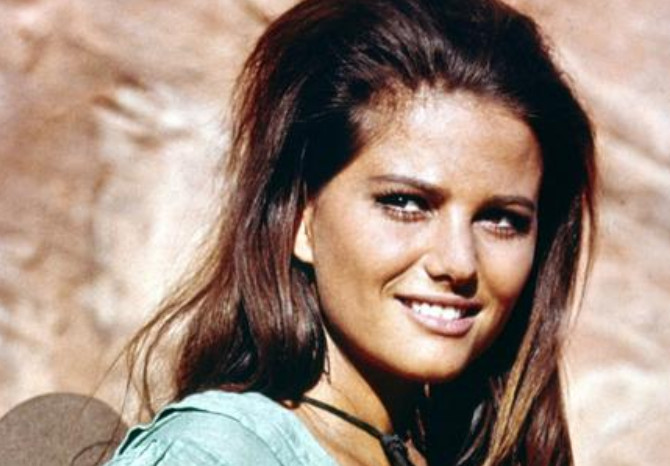
Claudia Cardinale became one of the unforgettable faces of cinema’s golden age, admired for a screen presence that combined beauty, intelligence, and emotional force. Born on April 15, 1938, in Tunis, Tunisia, she built a film career that came to represent far more than fame. Her rise was shaped by talent, resilience, and a rare ability to make complex characters feel alive.
From the beginning of her career, Cardinale stood apart. Her performances were not built only on glamour, even though her appearance made her instantly recognizable. What made her lasting was the depth she brought to each role. She could suggest courage, hesitation, pain, strength, and longing with subtle changes in expression, turning quiet scenes into moments that audiences remembered long after a film ended.
Her path to international recognition was not simple. The film world in which she emerged was often controlled by powerful male voices, yet she moved through it with determination and grace. The parts she accepted frequently demanded vulnerability as well as strength. She became known for portraying women who were not flat symbols, but layered figures facing pressure, change, desire, and conflict.
One of the clearest examples of her gift came in The Leopard, where she played Angelica. In that role, she captured the tension of a woman standing between old traditions and a changing modern world. Angelica was not merely decorative; through Cardinale’s performance, she became a figure of charm, intelligence, and emotional weight. The role helped show how naturally Cardinale could bring empathy and complexity to a character placed inside a larger historical and social moment.
Her career continued to expand through collaborations with some of the most respected names in cinema. Cardinale worked with acclaimed directors and actors, proving that she could move confidently across different styles and genres. She was never limited to one kind of part. She could play powerful heroines, mysterious figures, muses, and women with complicated motives, always giving each role a distinct inner life.
In Sergio Leone’s Once Upon a Time in the West, she played Jill McBain, a strong and resourceful woman who refuses to be defined by the expectations of her time. The film became one of the classic westerns, and her performance remains central to its emotional impact. Jill is surrounded by violence, ambition, and change, yet Cardinale gives her dignity and resolve. The role showed her ability to carry a character through hardship without losing warmth or humanity.
Another landmark in her filmography was Federico Fellini’s 8½, a film often regarded as one of the greatest ever made. In it, Cardinale appeared as a muse connected to the emotional confusion and artistic turmoil of the central figure. Her presence added another layer to a film already known for its dreamlike structure and psychological depth. Rather than simply appearing as an idealized image, she contributed to the film’s meditation on creativity, memory, and desire.
Cardinale’s success was also rooted in discipline. Directors, co-stars, and fans admired not only her talent but also her devotion to the craft of acting. She became known for approaching roles with seriousness, studying the details that shaped each character. She worked to understand the historical and social background around the women she portrayed, which gave her performances a sense of authenticity.
This dedication made her a trusted collaborator for major filmmakers. Directors such as Visconti and Leone valued her ability to translate their visions into performances that felt vivid and human. She did not simply appear in important films; she helped give them emotional power. Her professionalism became part of her reputation, and her example inspired younger actors and filmmakers who saw in her career a model of commitment and artistic integrity.
As time passed, Cardinale remained associated with elegance and sophistication, but her legacy did not depend only on nostalgia. She continued to take part in the film world through festivals, retrospectives, and interviews, sharing her experience with new generations of cinema lovers and creators. Her reflections on filmmaking carried the weight of someone who had lived through major changes in the industry and understood storytelling from the inside.
Her connection to cinema also reached beyond acting. Cardinale became involved in humanitarian efforts and served as a cultural ambassador, adding a socially conscious dimension to her public life. That broader engagement strengthened the impression of an artist whose influence extended past the screen. She represented not only performance, but also cultural memory, responsibility, and endurance.
For many young actors, Claudia Cardinale remains a symbol of perseverance and artistry. Her work shows that a performer can belong to a specific era and still remain relevant decades later. She became a bridge between classic filmmaking and modern conversations about cinema, especially about the importance of dynamic and emotionally complex roles for women.
Her career, spanning more than half a century, demonstrates how talent and resilience can create art that survives changes in fashion, language, and audience taste. The characters she brought to life continue to matter because they were shaped with care and emotional intelligence. Her best performances did not rely on spectacle alone; they revealed the inner struggles and strengths of human beings.
Claudia Cardinale’s place in film history is secure because her contribution was both artistic and lasting. She helped define some of cinema’s most admired works while also setting a standard for presence, discipline, and depth. Her name remains tied to the power of film to explore life, love, conflict, and humanity. More than an icon of beauty or a star of a past golden age, she stands as a cinematic figure whose influence continues to be felt and whose legacy will endure for generations.