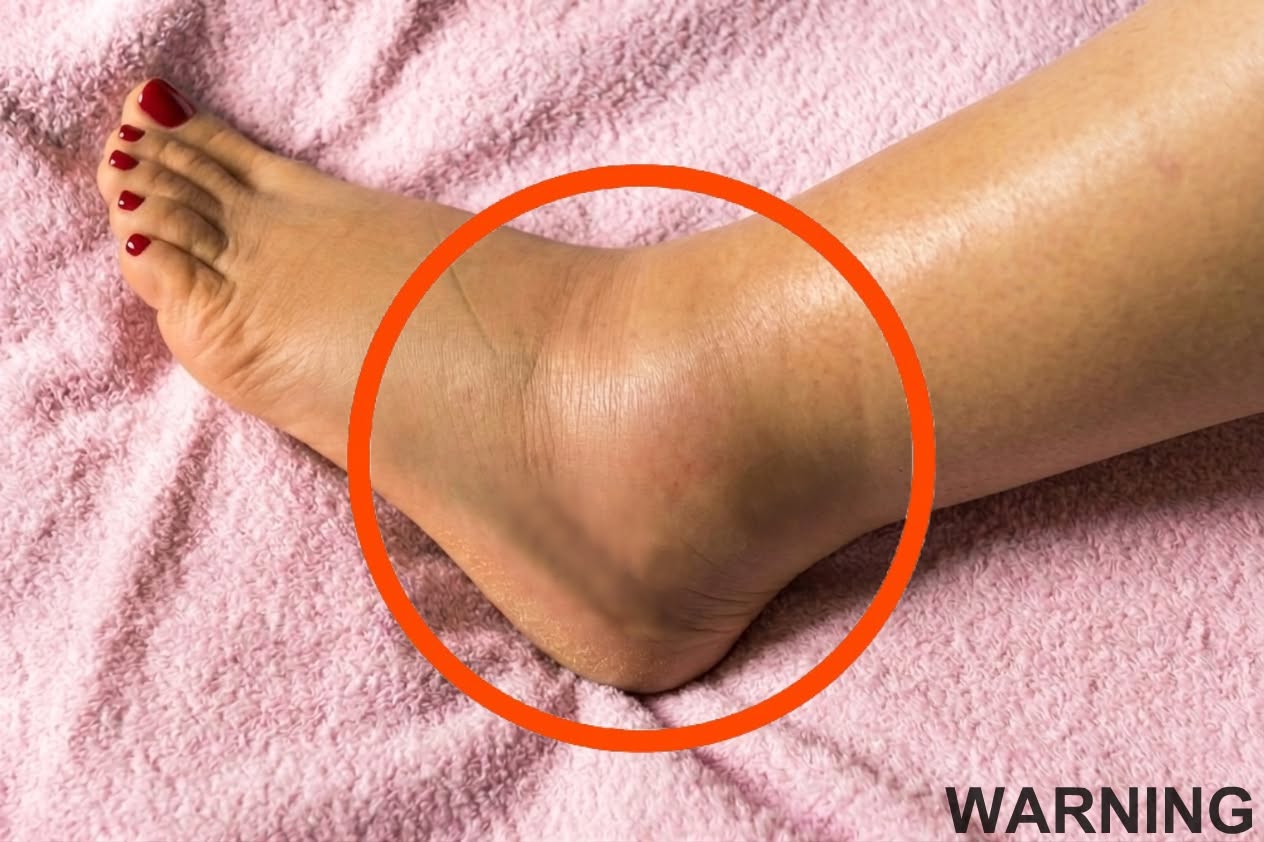
Managing and Understanding Edema in Older Adults
If you notice your legs are swollen, that's a sign of concern that should not be ignored. While mild puffiness can occasionally occur after a long day of standing or sitting, persistent or frequent swelling in the feet and ankles—clinically known as edema—can be an early indicator of underlying health issues. By understanding the causes of this condition and implementing proactive habits, older adults can better maintain their comfort, mobility, and long-term well-being.



Understanding Edema in Older Adults
Edema occurs when excess fluid becomes trapped in the tissues of the lower legs and feet. As the body ages, the efficiency of the circulatory system naturally declines, making fluid retention more common. When blood flow slows down, gravity causes fluid to accumulate in the lowest points of the body, specifically the feet and ankles.
One of the most frequent culprits is chronic venous insufficiency, a condition where the veins find it increasingly difficult to send blood back up to the heart. This leads to stagnation, discomfort, and, in some cases, noticeable skin discoloration or texture changes around the ankles.
Common Contributing Factors
Swelling is rarely caused by just one factor; it is often the result of a combination of lifestyle choices and physiological changes.
Medication Side Effects: Many drugs commonly prescribed to older adults can contribute to fluid retention. This often includes medications used to manage high blood pressure, diabetes, inflammation, or hormonal conditions.
Lifestyle and Habits: A sedentary lifestyle is a major contributor. Lack of physical activity reduces the "muscle pump" necessary to help blood travel back to the heart. Furthermore, sitting for extended stretches, such as during long flights or car rides, exacerbates the issue.
Dietary Influences: A high-sodium diet is a significant factor in water retention. Excessive salt intake causes the body to hold onto fluids, which directly increases swelling in the lower extremities. Additionally, carrying extra weight creates increased pressure on the leg veins, further hindering effective circulation.
Underlying Health Conditions: In more serious scenarios, persistent swelling acts as a warning sign for systemic health problems. Conditions such as heart disease, kidney disease, and liver problems can compromise the body’s ability to manage fluid balance, resulting in significant swelling.
Prevention and Management Strategies
Fortunately, there are several effective ways to improve circulation and reduce fluid buildup:
Prioritize Regular Movement: Incorporating daily movement is essential. Simple activities like walking, consistent gentle stretching, or light exercise help improve circulation and encourage the natural movement of fluid throughout the body. Even short, frequent walks can provide a significant benefit.
Mindful Nutrition: Reducing salt intake is one of the most impactful dietary changes one can make. By limiting processed foods and sodium, you help the body regulate its natural fluid balance more effectively.
Elevate and Monitor: When sitting or relaxing at home, elevating your feet above the level of your heart can help drain excess fluid and reduce discomfort in the ankles.
Consultation with a Professional: Because persistent swelling can be a symptom of chronic health issues, it is vital to consult with a healthcare provider. If swelling is accompanied by pain, skin changes, or sudden onset, it is important to seek medical advice to rule out more serious complications or to adjust medications that may be contributing to the issue.
Maintaining healthy feet is a key component of graceful aging. By staying attentive to these signs, understanding your body’s needs, and making consistent lifestyle adjustments, you can maintain your independence and keep moving with confidence.