Don’t Get Fooled by the Supermarket: How to Spot Quality Ground Meat
When you walk into a grocery store, the meat aisle is designed to look appealing. Bright lights, clean packaging, and vibrant colors are all part of the shopping experience. However, as many home cooks have discovered, what you see in the package isn’t always a perfect reflection of the meat’s quality or freshness. Understanding how to evaluate ground meat before it hits your cart is an essential skill for any home cook who wants to ensure they are getting the best value and safety for their family.
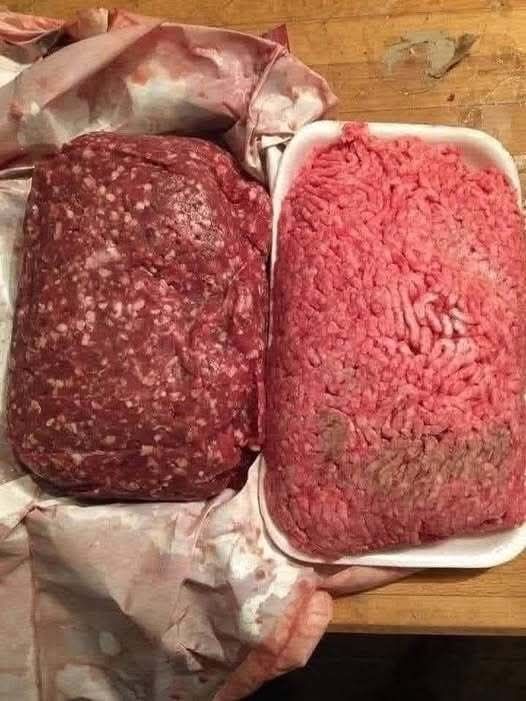
The most common point of confusion for shoppers is the color of the meat. We are often conditioned to believe that bright, cherry-red ground beef is the freshest option. While this is true in some contexts, it can also be misleading. Meat that is exposed to oxygen naturally undergoes a process called blooming, which turns it a bright red. However, when meat is vacuum-sealed or packed in modified atmosphere packaging, it may appear darker or even slightly purplish. This is not necessarily a sign of spoilage; it is simply the result of the meat being deprived of oxygen. Conversely, if you see a package where the surface is bright red but the center is a dull gray or brown, it may indicate that the meat has been sitting for a while or that the packaging process has altered its appearance.
Another factor to consider is the texture and fat distribution. High-quality ground meat should look uniform. If you notice large, distinct chunks of fat separated from the lean meat, or if the meat appears “mushy” or overly processed, it may be a sign of lower-quality trimmings being used. In a professional butcher shop, you can often see the marbling integrated throughout the grind. In mass-produced supermarket packages, the grind can sometimes be inconsistent, leading to uneven cooking and a less-than-ideal texture once the meat is browned in the pan.
Pay close attention to the liquid in the package, often referred to as “purge.” While a small amount of moisture is normal, an excessive amount of pinkish or watery liquid can be a red flag. This often suggests that the meat has been frozen and thawed, or that it has been sitting in the display case for an extended period. When meat loses too much moisture, it loses its flavor and can become dry and tough during the cooking process. If the liquid looks cloudy or has a strange consistency, it is best to leave that package on the shelf.
Smell is perhaps the most reliable indicator of freshness, though you cannot always smell the meat through the plastic wrap. If you are buying from a butcher counter, don’t be afraid to ask for a fresh grind or to take a closer look. If you are buying pre-packaged meat, check the “sell-by” date, but remember that this date is not a guarantee of quality if the cold chain has been broken. If you get the meat home and notice a sour or off-putting odor upon opening the package, do not risk it. Even if the color looks fine, bacteria can grow without significantly changing the appearance of the meat.
Finally, consider the source. Supermarkets often use “case-ready” meat, which is processed and packaged at a central facility rather than in the store. While this is efficient for the retailer, it means you have less transparency regarding when the meat was actually ground. Building a relationship with a local butcher or opting for meat that is ground fresh in-store can provide you with much better insight into what you are actually buying. By paying attention to these subtle visual and physical cues, you can become a more informed shopper and avoid the common pitfalls of the supermarket meat aisle.