Understanding Leg Swelling: When Should You Be Concerned?
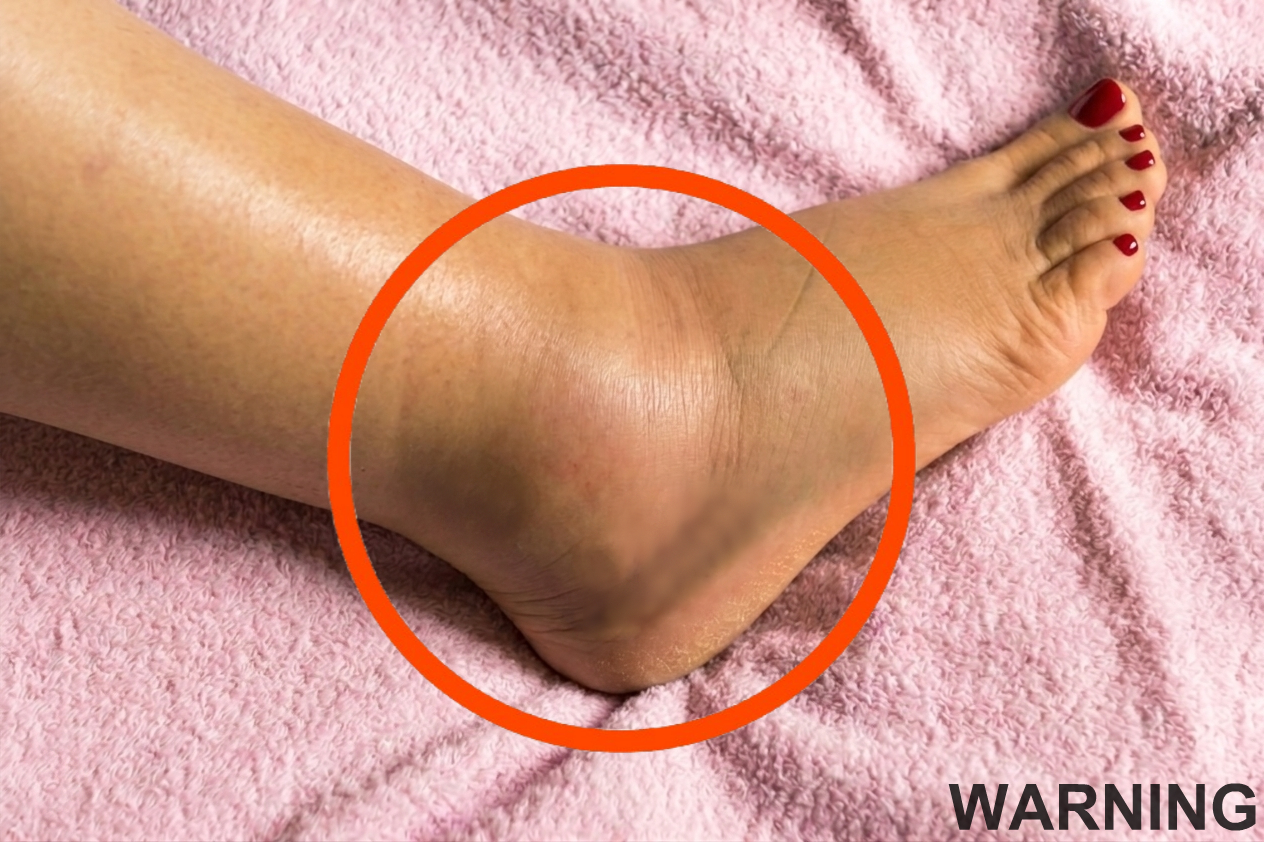
We have all experienced that feeling at the end of a long day: your shoes feel a little tighter, your ankles look slightly puffy, and there is a noticeable indentation when you press your skin. While it is easy to dismiss leg swelling—medically known as edema—as a simple byproduct of standing too long or a busy schedule, it is a physical signal from your body that deserves attention. Understanding why this happens is the first step toward better health management.
Edema occurs when fluid becomes trapped in the body’s tissues. While the internet is full of alarming headlines suggesting that any swelling is a sign of a catastrophic illness, the reality is much more nuanced. Most cases of mild, occasional swelling are related to lifestyle factors that are entirely manageable. For instance, gravity plays a significant role. If you spend most of your day sitting at a desk or standing in one place, blood and fluids can pool in the lower extremities. This is especially common during hot weather, as the body struggles to regulate temperature and blood vessels expand.
Dietary habits are another frequent culprit. A high-sodium diet causes the body to retain water, which often manifests as puffiness in the feet and ankles. Similarly, hormonal fluctuations—particularly for women during their menstrual cycle or pregnancy—can lead to temporary water retention. In these cases, the swelling is usually symmetrical, meaning it affects both legs equally, and it often subsides after a good night’s rest or by elevating the legs above the level of the heart.
However, there are instances where leg swelling is more than just a minor inconvenience. It is important to look for patterns. If you notice that the swelling is persistent, happens only in one leg, or is accompanied by other symptoms like shortness of breath, chest pain, or skin discoloration, it is time to stop guessing and consult a professional. These can be indicators of underlying issues related to circulation, heart function, or kidney health, which require a proper clinical evaluation rather than home remedies.
So, what can you do to manage minor, non-emergency swelling? Movement is your best friend. If you have a sedentary job, set a timer to stand up and walk for five minutes every hour. Compression stockings can also provide mechanical support to help your veins push blood back toward the heart. Reducing your salt intake and staying well-hydrated—counterintuitively, drinking more water helps your kidneys flush out excess sodium—can make a world of difference.
Ultimately, your body is communicating with you. A little bit of swelling after a long flight or a day of heavy activity is usually just a sign that you need to rest and recover. But persistent, unexplained changes in your body should never be ignored. By paying attention to these signals early, you can differentiate between a simple lifestyle imbalance and a condition that requires medical intervention. When in doubt, prioritize your peace of mind and seek the advice of a healthcare provider to rule out anything serious.