When a Snake Appears in Your Home: Understanding the Real Meaning Behind the Encounter
Finding a snake in your home is an experience that triggers an immediate, visceral reaction for most people. Whether it is a quick slither across the patio or an unexpected guest in the basement, the sight of a serpent often leads to a mix of fear, curiosity, and the inevitable question: What does this actually mean? While folklore and old wives’ tales often suggest that a snake in the house is a sign of impending doom, bad luck, or even a spiritual omen, the reality is far more grounded in biology and environmental factors.
The most common reason you might find a snake in your home is not a mystical sign, but a simple matter of survival. Snakes are cold-blooded creatures, meaning they rely on their environment to regulate their body temperature. If your home provides a cool, damp, or dark space, it becomes an attractive sanctuary during extreme heat or cold. Basements, crawl spaces, and garages often mimic the natural crevices and dens that snakes seek out in the wild. If you see one, it is almost certainly because your home is providing a micro-climate that the snake finds comfortable.
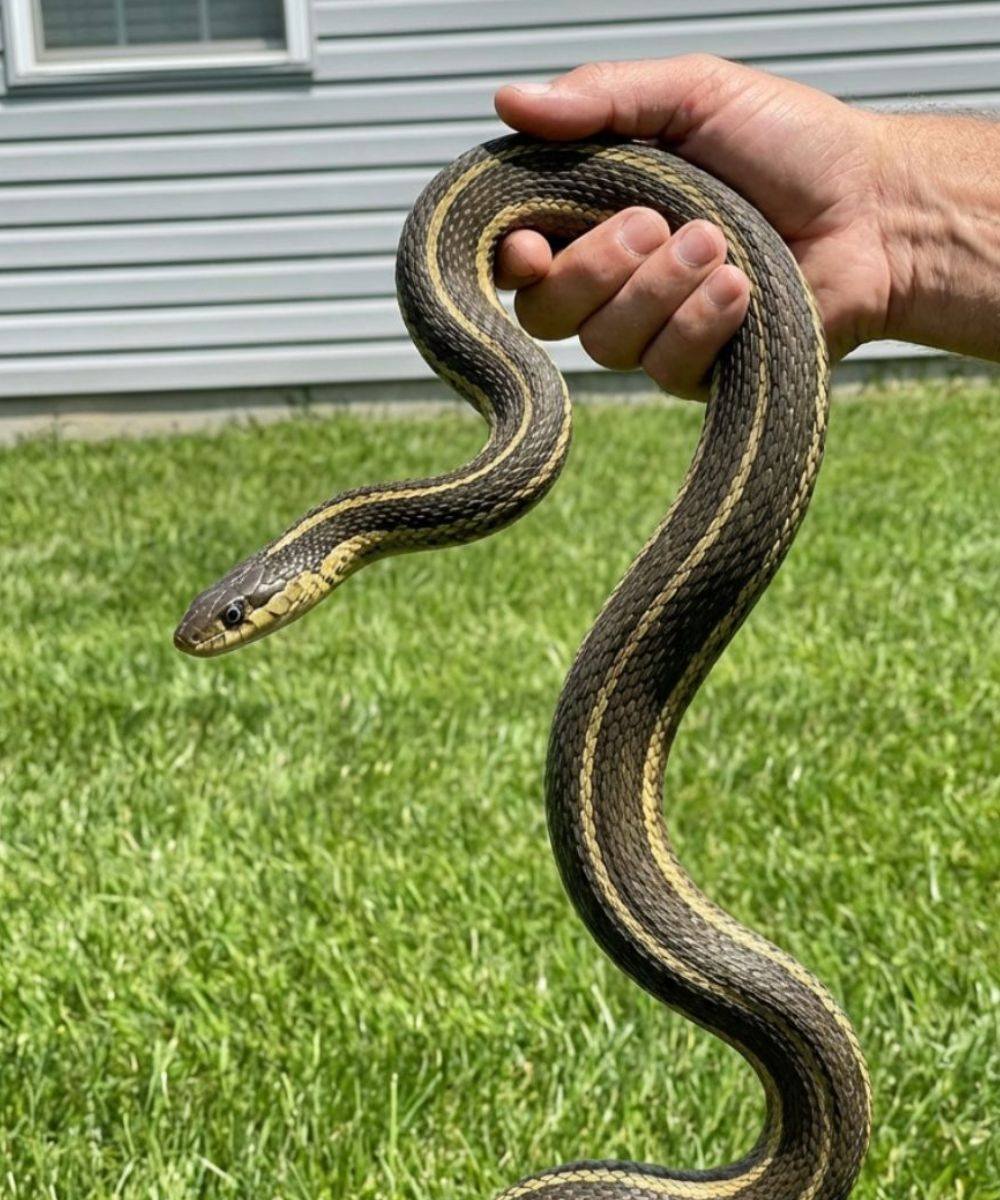
Beyond temperature, the primary driver for a snake entering your living space is the search for food. Snakes are opportunistic predators. If you have a rodent problem—even a minor one that you aren’t fully aware of—you are essentially ringing a dinner bell for local snakes. Mice, rats, and even crickets or slugs are primary food sources for many common house-frequenting snakes like garter snakes or rat snakes. If a snake is in your home, it is likely because it has detected a steady supply of prey. In this sense, the snake is actually a symptom of an existing pest issue rather than the problem itself.
It is also important to consider the structural integrity of your home. Snakes are masters of finding small gaps. A gap under a door, a crack in the foundation, or an unsealed pipe entry point is all a snake needs to gain access. If you find one inside, it is a clear indicator that your home has entry points that need to be sealed. This is a practical, actionable takeaway: instead of worrying about superstitions, look at the encounter as a free home inspection. By sealing these gaps, you not only keep snakes out but also improve your home’s energy efficiency and prevent other pests from entering.
When you encounter a snake, the best approach is always to remain calm. Most snakes found in residential areas are non-venomous and are actually beneficial to the local ecosystem because they control rodent populations. If you are unsure of the species, keep your distance and observe it from afar. Never attempt to handle a snake unless you are absolutely certain of its identity and have the proper training. Use a broom or a long object to gently guide it toward an open door, or simply wait for it to move along on its own. In most cases, the snake is just as frightened of you as you are of it and is looking for the quickest way back to the outdoors.
Ultimately, the “meaning” of a snake in your home is a reminder of our connection to the natural world. As human development expands into wild habitats, these encounters become more frequent. Rather than viewing the animal as a harbinger of something negative, consider it a sign that your local environment is active and that your home might need a little bit of maintenance to keep the wild, well, wild. By keeping your property clear of debris, managing potential food sources like rodents, and sealing entry points, you can coexist peacefully with nature without having to share your living room with an uninvited guest.