The Tragic Reality Behind Cosmetic Tourism: Understanding the Risks
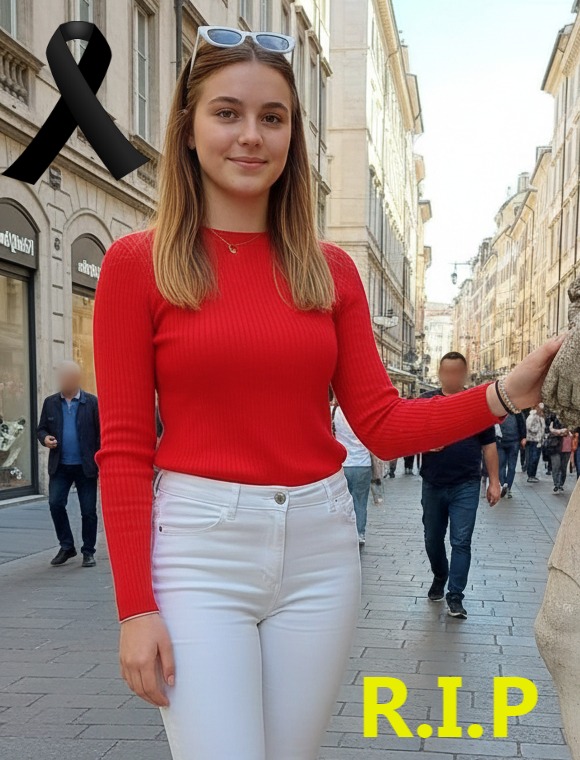
The recent passing of Jessica, a vibrant young woman whose story has touched many across social media, has sparked a necessary and somber conversation about the global rise of cosmetic tourism. While the details surrounding her individual case are deeply personal to her family, her story serves as a stark reminder of the complexities and hidden dangers associated with seeking medical procedures abroad.
Cosmetic tourism has grown into a multi-billion dollar industry, driven by the allure of lower costs and the promise of rapid transformations. Many individuals, often encouraged by polished advertisements and curated social media success stories, travel across borders to undergo surgeries that they might otherwise find prohibitively expensive or difficult to access in their home countries. However, the reality behind these procedures is often far more complex than a simple price tag suggests.
One of the primary concerns highlighted by medical professionals is the lack of standardized regulation across international borders. When a patient undergoes surgery in a foreign country, they are often stepping outside the protective framework of their local healthcare system. This means that if complications arise—whether during the procedure or in the critical recovery phase—the patient may find themselves without the necessary support, follow-up care, or legal recourse that they would have expected at home.
Furthermore, the pressure to achieve a certain look, amplified by digital trends, often leads patients to overlook the importance of vetting surgical facilities and practitioners. It is essential to understand that any surgical intervention carries inherent risks, including reactions to anesthesia, infections, and long-term complications. When these procedures are performed in environments where safety protocols may differ from those in the patient’s home country, those risks are significantly compounded.
Experts in the field of plastic and reconstructive surgery emphasize that “medical tourism” should not be treated as a casual travel experience. It requires rigorous research, including verifying the credentials of the surgeon, ensuring the facility is accredited by international health organizations, and having a comprehensive plan for post-operative care. More importantly, it requires a candid conversation with a primary care physician about the necessity of the procedure and the potential for life-altering complications.
The tragedy surrounding Jessica’s death is a profound loss that highlights the human cost behind these headlines. It is a call to action for greater transparency, better patient education, and a more cautious approach to elective surgeries. As the industry continues to expand, the responsibility falls on both the providers to maintain the highest ethical standards and on the public to prioritize safety over convenience.
Ultimately, no aesthetic goal is worth the risk of life. If you or someone you know is considering a cosmetic procedure, please prioritize consulting with board-certified professionals in your local area. Take the time to understand the full scope of the surgery, the potential for complications, and the recovery process. Your health and safety must always be the first priority, regardless of the cost or the promise of a quick result.