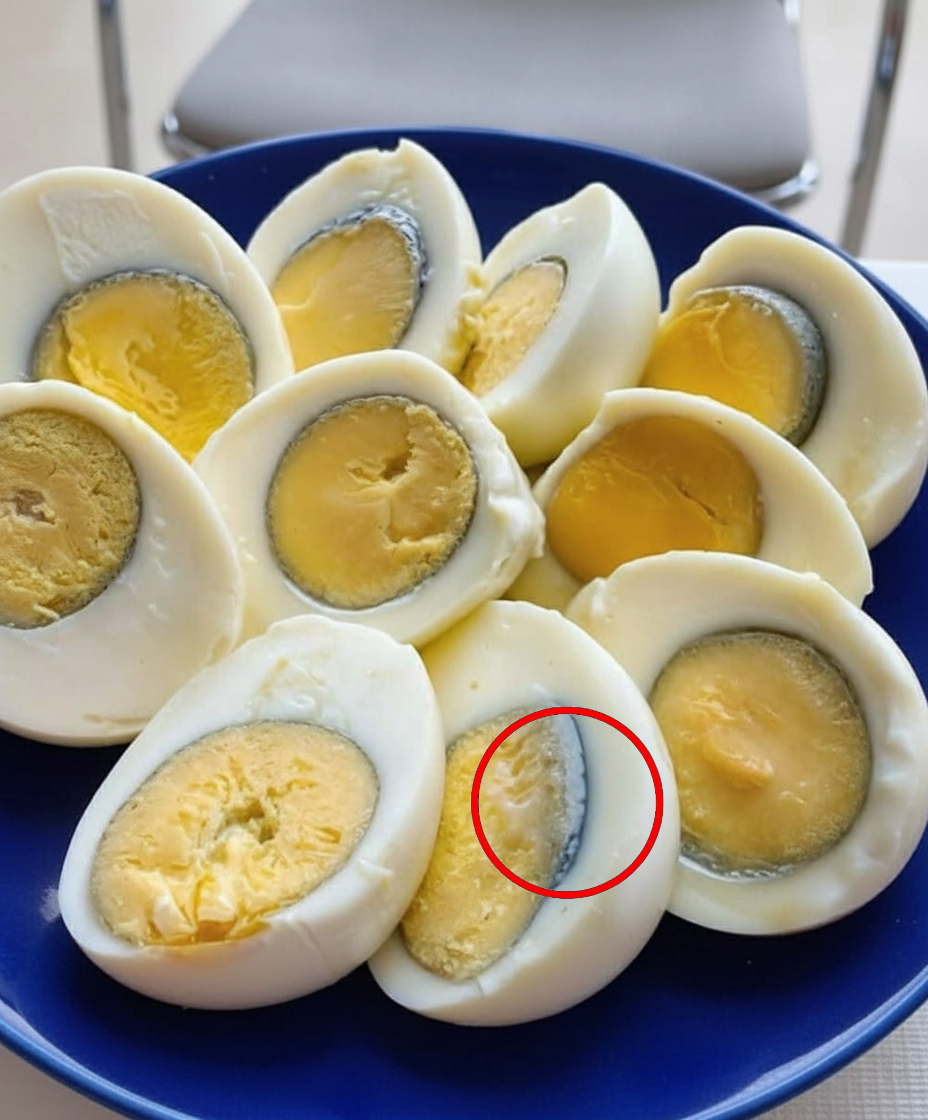
Why Do Hard-Boiled Eggs Sometimes Get a Green Ring Around the Yolk?
If you have ever peeled a hard-boiled egg only to discover a thin, greenish-gray ring surrounding the yolk, you are not alone. It is a common sight in kitchens everywhere, and while it might look a little unappealing, it is important to understand that this phenomenon is perfectly natural and generally harmless. It is not a sign of a spoiled egg, nor is it an indication that the egg is unsafe to eat.
The science behind this color change is actually quite fascinating and boils down to a simple chemical reaction. Eggs contain both sulfur and iron. Sulfur is found in the egg white, while iron is naturally present in the yolk. When you boil an egg, the heat causes these two components to migrate toward each other. Specifically, as the egg heats up, the sulfur in the whites turns into hydrogen sulfide gas. This gas then moves toward the yolk, where it reacts with the iron to form a compound called ferrous sulfide. This compound is what creates that distinct greenish or grayish-blue discoloration at the surface where the white and yolk meet.
The primary culprit behind this reaction is heat—or, more specifically, overcooking. When eggs are boiled for too long or at too high a temperature, the production of hydrogen sulfide increases, making the green ring more pronounced. The longer the egg sits in boiling water, the more likely this reaction is to occur. It is a classic case of the egg being cooked just a little bit past the point of perfection.
So, how can you prevent this from happening in your own kitchen? The secret lies in precise timing and proper cooling. To avoid the green ring, you should aim to cook your eggs only until the yolk is set. A popular and effective method is to place your eggs in a pot, cover them with cold water, and bring the water to a boil. Once it reaches a boil, remove the pot from the heat source, cover it with a lid, and let the eggs sit in the hot water for about 9 to 12 minutes, depending on the size of the eggs and your preferred level of firmness.
Once the timer goes off, the next step is crucial: the ice bath. Immediately remove the eggs from the hot water and plunge them into a bowl filled with ice and cold water. This rapid cooling process stops the cooking immediately, preventing the internal temperature from rising high enough to trigger the sulfur-iron reaction. It also makes the eggs much easier to peel, as the sudden temperature change causes the egg to contract slightly inside the shell, creating a gap between the membrane and the shell.
It is worth noting that while the green ring is harmless, it can sometimes affect the texture and flavor of the yolk. Overcooked yolks tend to become dry, chalky, and crumbly. By mastering the timing and using the ice bath technique, you can ensure that your hard-boiled eggs remain tender, creamy, and vibrant yellow every single time.
In summary, that green circle is simply a chemical reaction caused by overcooking. It is not a health concern, and the egg remains perfectly edible and nutritious. However, by adjusting your boiling technique, you can easily achieve that perfect, uniform yellow yolk that makes for a much more appetizing presentation in your salads, deviled eggs, or breakfast bowls.