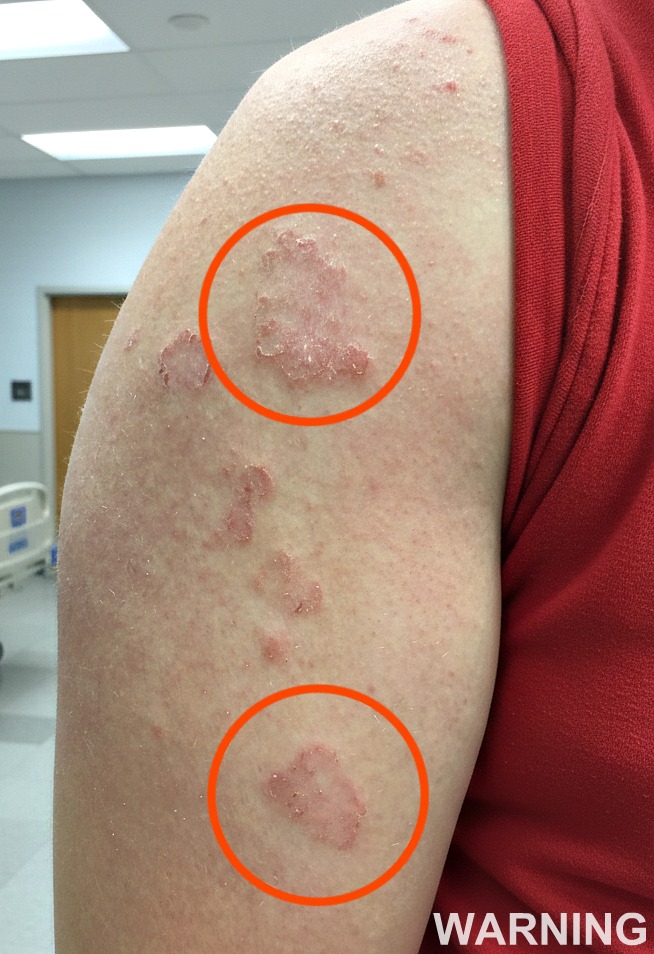
Understanding Skin Changes: When Red Marks on Your Arm Require Attention
The Importance of Skin Awareness
Our skin is the largest organ of the human body and often acts as a mirror to our internal health. It is common to experience minor skin irritations, such as bug bites, rashes from contact with plants, or temporary dryness. However, when you notice persistent or unusual red marks appearing on your arm—or any part of your body—it is natural to feel concerned. While many skin conditions are benign, understanding the difference between a harmless reaction and a sign that requires professional evaluation is a vital part of proactive self-care.
Common Causes of Red Skin Markings
Red marks on the skin can stem from a wide variety of sources. Often, these are related to environmental triggers. Contact dermatitis, for example, occurs when the skin reacts to a substance it has touched, such as a new laundry detergent, a specific metal in jewelry, or a chemical in a skincare product. These marks are typically itchy, localized, and tend to fade once the irritant is removed.
Another frequent cause is inflammatory skin conditions like eczema or psoriasis. These often present as red, scaly, or raised patches. Unlike a simple allergic reaction, these conditions are usually chronic and may flare up due to stress, weather changes, or immune system responses. In some cases, fungal infections like ringworm can also manifest as red, circular marks that may expand over time. Identifying the pattern and duration of these marks is the first step in understanding what your body is trying to communicate.
When to Seek Professional Advice
While most skin issues are not emergencies, there are specific “red flags” that suggest you should stop guessing and consult a healthcare professional. If you notice marks that are rapidly changing in size, shape, or color, or if they are accompanied by systemic symptoms like fever, fatigue, or unexplained weight loss, it is time to seek medical guidance. Furthermore, any lesion that bleeds, crusts over, or refuses to heal after several weeks should never be ignored.
It is important to remember that a visual assessment alone is rarely sufficient for a diagnosis. A dermatologist or primary care physician can perform a proper examination, which may include a skin biopsy or a review of your medical history, to determine the exact cause. Early detection is almost always the key to effective management, regardless of the underlying condition.
The Role of Lifestyle and Prevention
Maintaining healthy skin starts with simple, consistent habits. Staying hydrated, protecting your skin from excessive UV exposure with sunscreen, and being mindful of new products you introduce to your routine can significantly reduce the likelihood of unexplained irritations. If you have a history of sensitive skin, keeping a “skin diary” can be incredibly helpful. By tracking when flare-ups occur and what you were doing or eating at the time, you can often identify personal triggers that you might otherwise miss.
Final Thoughts on Skin Health
Seeing an unexpected change on your skin can be unsettling, but it is also an opportunity to practice better self-awareness. By paying attention to how your body reacts to the environment and knowing when to seek expert help, you can maintain better health and peace of mind. Never rely on internet searches or social media posts to diagnose yourself; instead, use them as a prompt to be more observant of your health and to prioritize a visit to a qualified professional if something doesn’t look right. Your skin works hard to protect you—make sure you return the favor by listening to what it’s telling you.