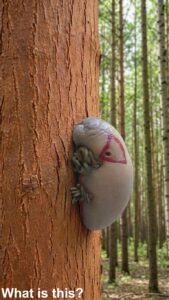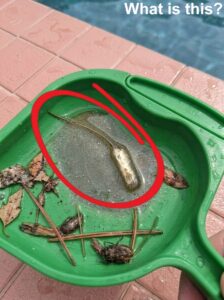
Stumbled Upon a Mystery: What is That Worm-Like Creature in Your Garden?
Nature often presents us with small, puzzling encounters during our morning routines. Many of us have experienced the momentary confusion of finding something unusual on our patio or garden path—an object that looks like a common earthworm at first glance, but somehow doesn’t quite fit the profile. When you look closer, the movement is a bit smoother, the shape is flatter, and the head is entirely unique. You are not alone in your curiosity; these mysterious sightings often spark intense debates among homeowners and nature lovers.
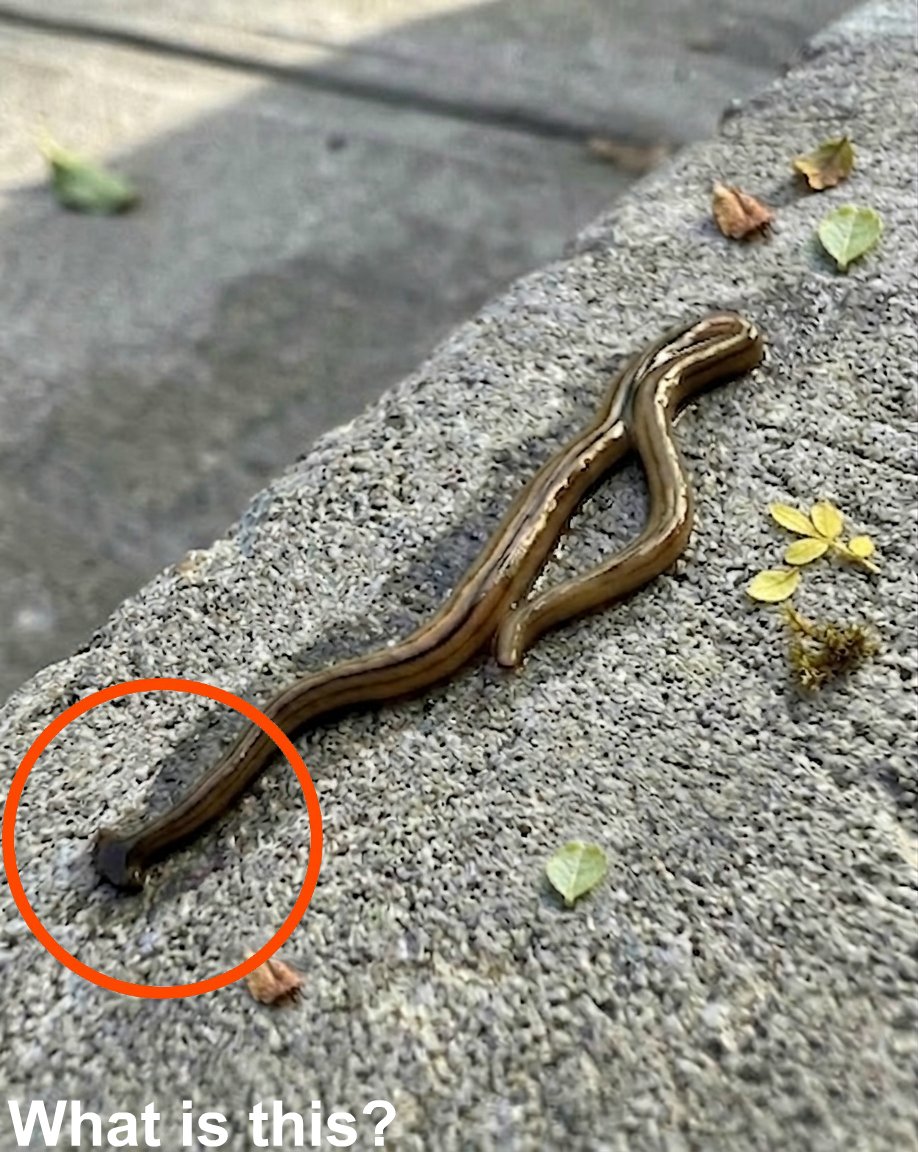
The creature you likely spotted belongs to a fascinating, yet often misunderstood, group known as terrestrial flatworms. Specifically, many of these sightings involve species of Bipalium, commonly referred to as hammerhead worms. Far from being a typical garden-variety segment worm, these invertebrates are predatory flatworms. As you noted, the “grass” or unusual shape on the head you saw is actually a distinct, crescent-shaped, or hammer-shaped expansion that sets them apart from the round, segmented bodies of Lumbricidae earthworms.
If you encounter one of these in your garden, it is helpful to understand what they are and why they appear. Hammerhead worms are, in fact, invasive species in many parts of the world, including various regions of North America. They belong to a group of predatory flatworms that are specialized hunters of earthworms. Their presence is usually signaled by their unique, gliding motion—they move like slugs or snails, leaving a subtle trail of mucus behind them, which differs significantly from the burrowing, undulating movement of standard garden worms.
One of the reasons these creatures cause such a stir is their biological resilience. These flatworms possess a remarkable ability to regenerate; if they are broken into smaller segments, the pieces can often grow into entirely new individuals. This evolutionary trait makes them fascinating from a biological standpoint, though it can make them a nuisance for gardeners who value earthworms, which are integral to soil health. Because they are efficient predators, they are often seen as an ecological threat to native soil-enriching organisms.
It is important to keep a few things in mind if you discover these on your property. While they are not venomous to humans, they secrete a mild, irritating chemical toxin that helps them immobilize their prey, and this can cause irritation if handled directly. The best practice, if you wish to limit their spread, is to avoid handling them with bare skin and to be observant during damp, early mornings when they are most active searching for food.
Ultimately, these encounters serve as a reminder of the complex, often hidden life happening right beneath our feet. While the appearance of a flatworm might feel like a strange anomaly, it is simply nature continuing its cycle. By identifying what these visitors are—not just some strange, mutated worm, but a specialized predator—you can better understand the balance of your own outdoor space. Keep observing, stay curious, and continue to appreciate the small mysteries that make our gardens so surprisingly vibrant.