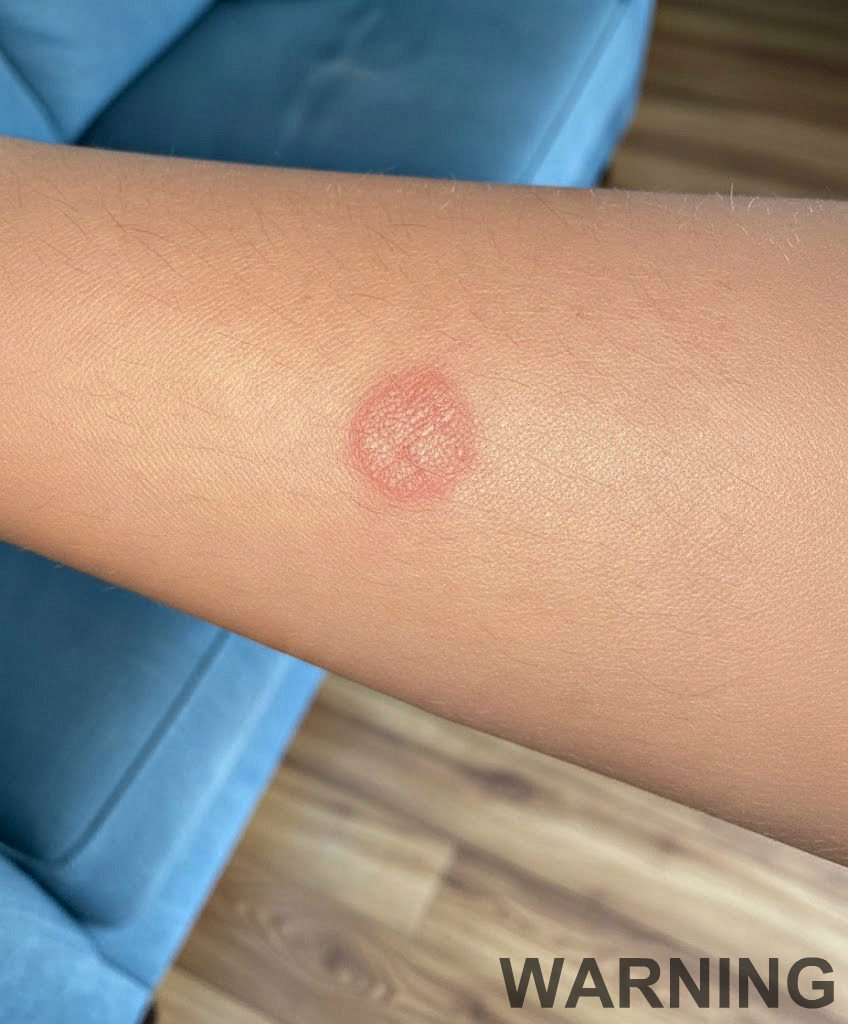
Understanding Unexpected Skin Marks: When to Pay Attention to Your Body
It is easy to dismiss a small, circular red patch on the skin, especially if it appears out of nowhere and doesn’t seem to cause significant pain or irritation. However, our skin is often the first messenger of our body’s internal state. When you notice an unusual mark or a spot that seems to be changing shape, color, or texture, it is important to approach it with curiosity rather than panic, but also with a healthy level of caution.
Many people fall into the trap of ‘wait and see’ for too long. While the vast majority of skin blemishes are benign and caused by minor environmental factors, some patterns provide specific clues that your body needs a bit of extra attention. The mark often seen as a circular, slightly raised, or defined ring is a visual signal that should not be ignored. Often, these marks can be linked to localized skin conditions like tinea corporis, commonly known as ringworm, or even early signs of localized eczema or allergic responses.
The key to monitoring these changes is consistency. When you first notice a mark, take a quick mental note of its size. Is it growing? Has the center changed color? Does it itch when you are warm? Tracking these small details is exactly what a professional requires to give you accurate guidance. A key sign that a condition is active is if the border of the spot is more defined or raised than the center, sometimes described as a ‘ring’ appearance. If you notice this, it is a clear indicator that the skin is currently undergoing some form of inflammation or reaction.
One of the biggest mistakes people make is applying over-the-counter creams—especially those containing steroids—without knowing the root cause. If a mark is fungal in nature, some topical creams can actually ‘mask’ the appearance, making it look like it’s improving while potentially allowing the underlying condition to persist or spread elsewhere. This is why avoiding self-diagnosis is vital. Before you reach for the medicine cabinet, observe the area for a few days. Is it responding to local hygiene changes? Is it drying out, or is it becoming more inflamed?
Consider your recent daily environment. Have you introduced new soaps or detergents? Have you been in contact with surfaces that could be high-touch, such as gym equipment or communal changing areas? Frequently, these marks are simply a reactive response to external triggers—contact dermatitis is incredibly common. Examining your immediate surroundings can often provide the answer before a professional medical opinion is even sought.
Ultimately, it is about keeping a ‘health journal’ for your skin. If you find that a patch on your forearm, leg, or torso remains for more than two weeks, or if it begins to spread to other areas of the body, that is the clear threshold for taking action. Your health is not something to be left to chance. If a mark looks angry, feels hot to the touch, or changes rapidly, it is your body’s way of asking you to verify what is happening. By staying informed and monitoring these small signs, you allow yourself the best chance to handle potential issues early, effectively, and with the least amount of stress.