When Hand Veins Signal Cancer: What You Need to Know
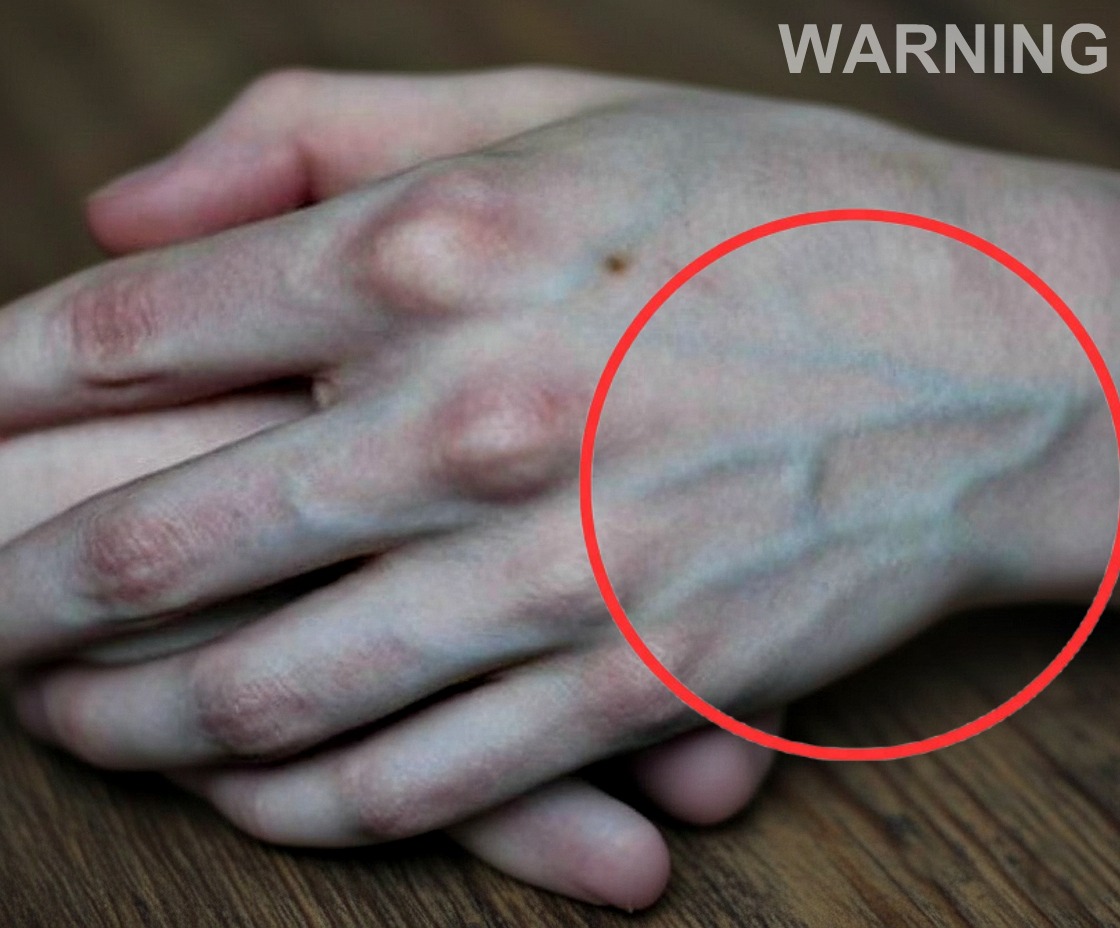
You glance down at your hands while typing, driving, or simply resting them on the table and notice something you haven’t paid much attention to before: a network of blue or green veins, clearly visible just beneath the skin. For most of us, this is completely normal and nothing to worry about. Pale or thin skin, low body fat, aging, hot weather, and even a tough workout can make veins in the hands and wrists more prominent. But what if those visible veins appear suddenly, change in appearance, or come with other symptoms you can’t explain? In some cases, the sight of bulging or unusually prominent veins in your hand can be the body’s quiet way of signaling something far more serious — including cancer.
The question that sends a shiver down anyone’s spine is this: When should you be concerned that the veins in your hand are not just a cosmetic feature, but a sign of a potentially life-threatening condition? Doctors agree that while most hand veins are harmless, there are specific types of vascular changes and accompanying symptoms that should never be ignored. One of the most alarming, yet often overlooked, red flags is the sudden emergence of a firm, bluish or purple cluster of veins that doesn’t fade when you raise your arm. This can sometimes point to a vascular tumor growing deep within the soft tissue, such as an angiosarcoma or a Kaposi sarcoma. Kaposi sarcoma, strongly linked to immune suppression and certain viral infections, frequently presents with purplish, bruise-like patches or raised areas on the skin of the hands and feet that may be mistaken for visible veins. A person might think they simply have swollen veins, but in fact, they are looking at cancerous lesions that involve the blood vessels.
Beyond the skin itself, prominent hand veins can be a clue to something happening deep inside the chest. A condition known as superior vena cava syndrome occurs when a tumor, often a lung cancer or a lymphoma, presses on the large vein that returns blood from the upper body to the heart. This blockage causes blood to back up, leading to visibly swollen and distended veins in the neck, arms, and hands. The swelling may be accompanied by a feeling of fullness in the face, a bluish tint to the skin, shortness of breath, and a persistent cough. In this scenario, the veins that suddenly appear on the back of your hand are not the disease itself; they are the downstream alarm of a tumor compressing a major thoroughfare of your circulatory system.
Another cancer-related scenario involves paraneoplastic syndromes, where a malignancy in an entirely different part of the body triggers changes in the blood that make veins more visible or prone to clotting. An undiagnosed pancreatic, lung, or ovarian cancer can cause the blood to become thicker and more likely to form clots, leading to a condition called superficial thrombophlebitis. You might notice a tender, cord-like vein on your hand that feels hard and looks red or blue. While most cases of thrombophlebitis are benign, when they migrate, recur without a clear cause, or appear in unusual places in a person without typical risk factors, doctors start looking for a hidden malignancy. This phenomenon, known as Trousseau’s syndrome, is a well-documented but often missed marker of internal cancer.
The emotional journey of people who discover a serious illness through a small change in their hands is harrowing. Take the story of a 42-year-old teacher who noticed a small, painless blue bump on the back of her hand that she assumed was a varicose vein. It didn’t hurt, so she ignored it for months. When the spot began to grow and feel warm, a biopsy revealed an aggressive soft tissue sarcoma that required surgery, radiation, and chemotherapy. Her experience underscores the critical need to listen to your body when a new vascular pattern doesn’t behave as expected. Likewise, a retired mechanic attributed his newly bulging hand veins to hard work, until an urgent care doctor noticed his face was also mildly puffy and sent him for a chest X-ray that uncovered a mass in his right lung. That swift attention to a collection of seemingly unrelated signs saved his life.
So how do you distinguish between innocent veins and a warning sign? Normal veins are typically soft, compressible, and flatten when you elevate your hand. They are symmetrical, thin-walled, and often more visible after activity or in warm environments. Veins that raise concern are those that appear as firm knots, bleed easily, create a persistent throbbing sensation, or are accompanied by unexplained weight loss, night sweats, fever, or fatigue. A single dilated vein that is tender and surrounded by skin that looks thin or bruised, especially in someone with a known history of cancer or immune suppression, needs a prompt medical evaluation. Doctors may use ultrasound, MRI, or a small biopsy to determine whether the area is a simple varix, a clot, or something malignant.
It is crucial not to let panic rule the moment you see a new vein. The vast majority of visible hand veins are a reflection of normal anatomy, genetics, or the natural thinning of tissues that comes with age. However, the quiet power of this body signal is that it can sometimes give you a chance to catch a serious condition before other symptoms become overwhelming. When you know your own body, you notice the subtle shifts — and that awareness can be the difference between catching a cancer at an early, treatable stage and facing a much harder fight down the road. If that little voice inside you says that the veins in your hand simply look wrong and you feel something isn’t right, trust it. Make the call, see your doctor, and let a professional bring clarity. That single act of paying attention could alter the entire course of your future.