The Hidden Dangers of Hand-Me-Down Children’s Shoes
When parents pass down footwear or allow children to borrow shoes from neighbors, they often overlook the hidden risks associated with second-hand items. While new shoes may cause temporary discomfort during a break-in period, used shoes present significant, long-term concerns for developing feet.
The primary issue with inherited footwear is that the soles and inner structures have already been molded to the specific gait and foot shape of the previous owner. Over time, shoes adapt to an individual’s unique pressure points and stride. When a new child wears these broken-in shoes, their feet are forced into the previous user’s alignment, which often creates uneven pressure and friction against bones and soft tissue. Furthermore, hygiene is a major factor. Poorly sanitized interiors can harbor moisture, bacteria, or fungi from the previous wearer, significantly increasing the risk of skin irritation or persistent infections.
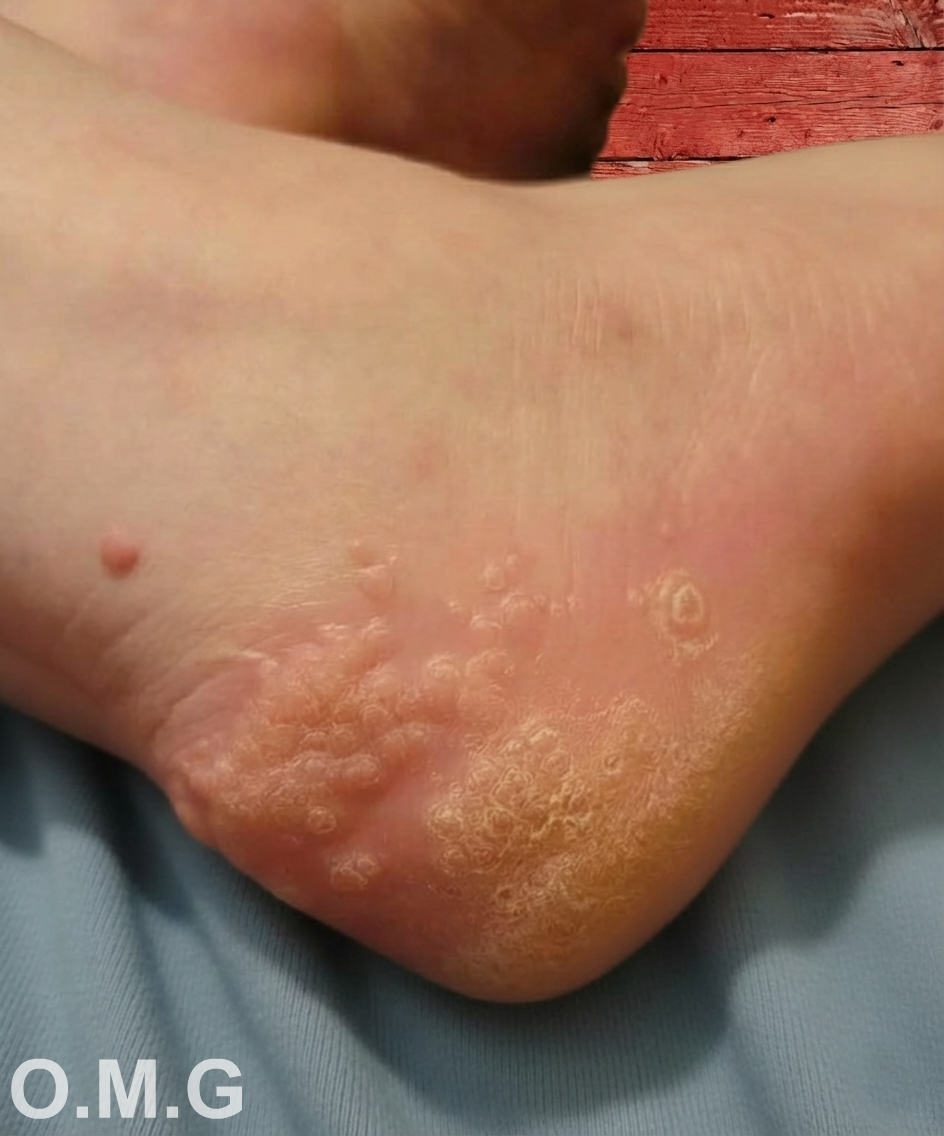
These foot issues frequently manifest as yellow bumps, which are typically corns or calluses resulting from constant friction. These bumps are the skin’s defensive response to excessive pressure.
If you suspect a child is suffering from these symptoms, the recovery process usually starts at home. The most critical step is to immediately discontinue the use of the offending footwear. Children should transition into new, well-fitting shoes that provide a roomy toe box and adequate cushioning. To soothe irritated skin, it is recommended to soak the affected feet in warm, soapy water for ten to twenty minutes. Following the soak, a pumice stone or emery board may be used to gently smooth the thickened skin. It is important never to cut or perform surgery on the skin at home, as this introduces a significant risk of infection.
To manage current pain, caregivers can utilize corn pads, moleskin, or gel toe protectors to minimize friction. Moisturizing the skin with creams containing urea can help soften the tough, calloused exterior, and over-the-counter salicylic acid pads may be used to gradually break down the bump.
If at any point the area becomes red, swollen, painful, or begins to produce pus, or if the condition does not show improvement within two weeks, professional medical intervention is necessary. A podiatrist can provide safe treatment and assess the foot for underlying structural issues such as bone spurs or bunions.
To minimize future risks, ensure that any pre-owned shoes are thoroughly cleaned and treated with antifungal sprays before use. Always encourage children to wear socks to manage moisture and prevent direct contact with the shoe lining. Whenever possible, prioritize purchasing new footwear that offers the correct size and breathable materials, ensuring that children grow into shoes that support their own unique foot health rather than someone else’s.