The Hidden Residue of Borrowed Spaces
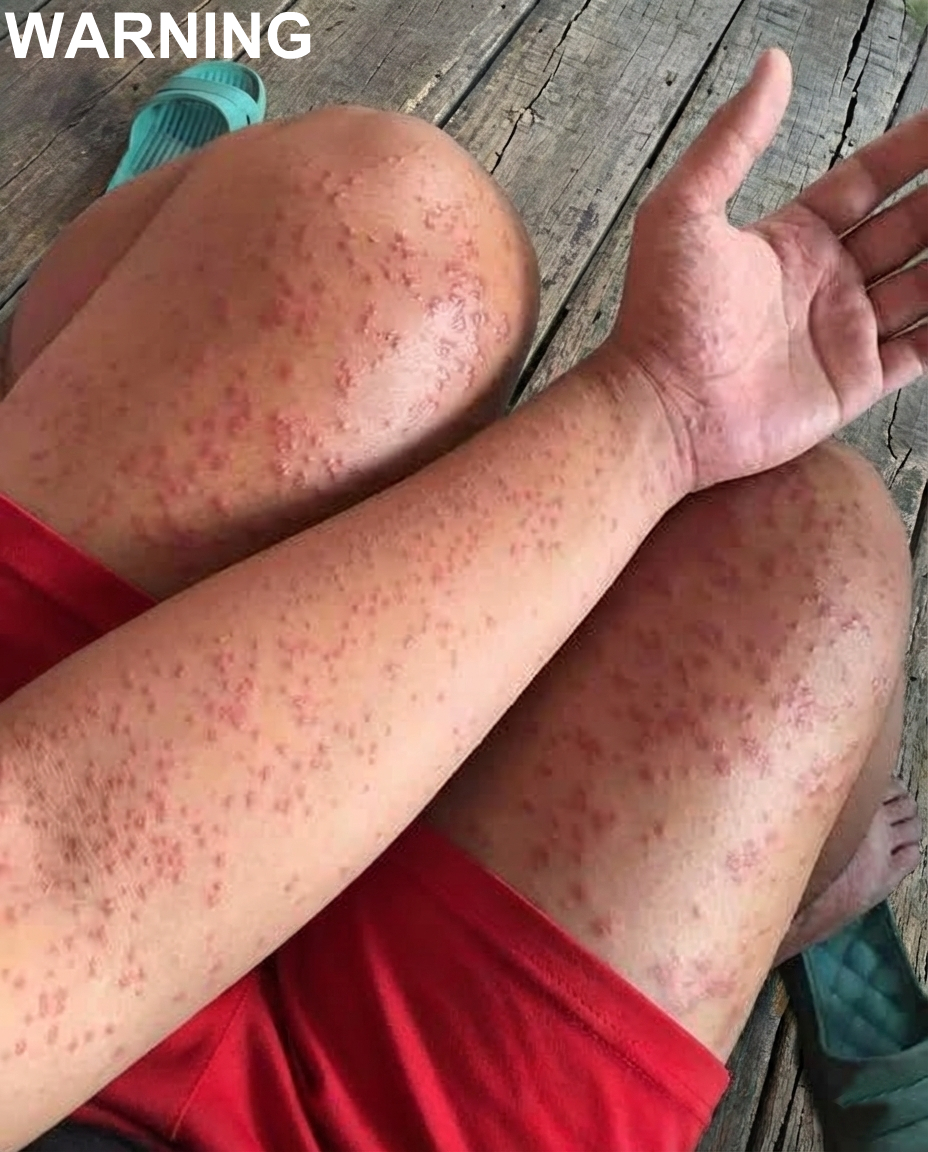
I spent a few days staying at a friend’s old apartment and soon noticed strange bumps appearing on my skin. Those days taught me that unfamiliar spaces can leave marks on you long after you have packed your bags and moved on.
Older apartments often carry invisible, lingering histories. They hide bed bugs tucked deep within mattress seams, fleas buried in worn-out carpets, dust mites thriving in aging pillows, mold spores clinging to the walls, or chemical residues soaked permanently into the fabric of curtains and upholstery. These things are rarely visible to the naked eye, but your skin feels them eventually, particularly during the quiet, vulnerable hours of the night when you are still and unprotected.
This experience taught me to pay close attention rather than simply brushing off minor skin irritations. Now, whenever I stay in a new place, I make it a point to check mattresses and headboards for dark specks or tiny shells. I ensure that every piece of clothing I wore is washed the moment I return home, and I shower as if I am physically rinsing away the environment I just left behind.
The physical bumps eventually faded, but the lesson remained. When your skin begins to speak in the form of welts, lines, or clusters, it is rarely just simple irritation. It is a warning that the room around you may not be as harmless as it looks.